

Overview
In steel smelting and metal casting workshops, casting crane parts face severe tests. They deal with harsh thermal radiation, dust, and heavy loads. Sudden failures on site often do not stem from poor product quality. Instead, selection failed to accurately assess dynamic thermal loads and compound wear in high-temperature environments.
This article analyzes the underlying logic of high temperatures accelerating component failure. It breaks down six high-risk core components like hoisting motors, brakes, and reducers. It breaks the price-only selection myth from dimensions like actual thermal environments and working classes. We combine frontline maintenance experience to provide practical inspection checklists and preventive maintenance plans. We also feature classic application cases of HSCRANE in high-temperature continuous casting workshops. This helps technical and procurement personnel avoid pitfalls from the source. It comprehensively builds a safety defense line for crane equipment operation.
Unsure if existing parts suit high-temperature working conditions?
If your casting workshop often suffers from motor overheating, brake wear, or electrical aging, HSCRANE can help. We assist in evaluating crane parts and high-temperature protection configurations based on actual conditions. Contact us to discuss the selection direction suitable for your equipment.
[Click to contact HSCRANE technical team]
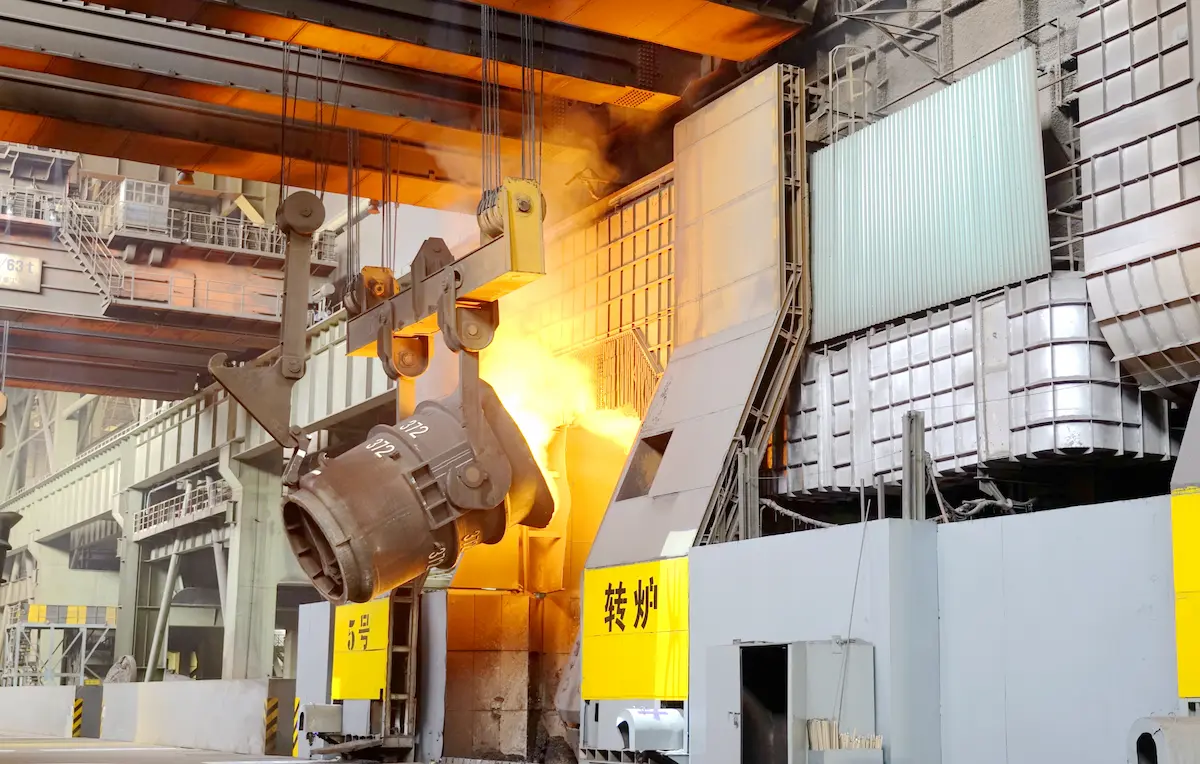
Why do high-temperature environments accelerate the failure of casting crane parts?
In steel smelting and metal casting sites, stable equipment operation directly relates to production line safety and efficiency. Yet many site managers often feel confused. Why do casting crane parts still suffer early wear or sudden failures when indicators met standards at purchase? To answer this, we must first understand the underlying mechanisms of high temperatures damaging mechanical and electrical components.
High temperatures in casting workshops are not just about ambient temperature
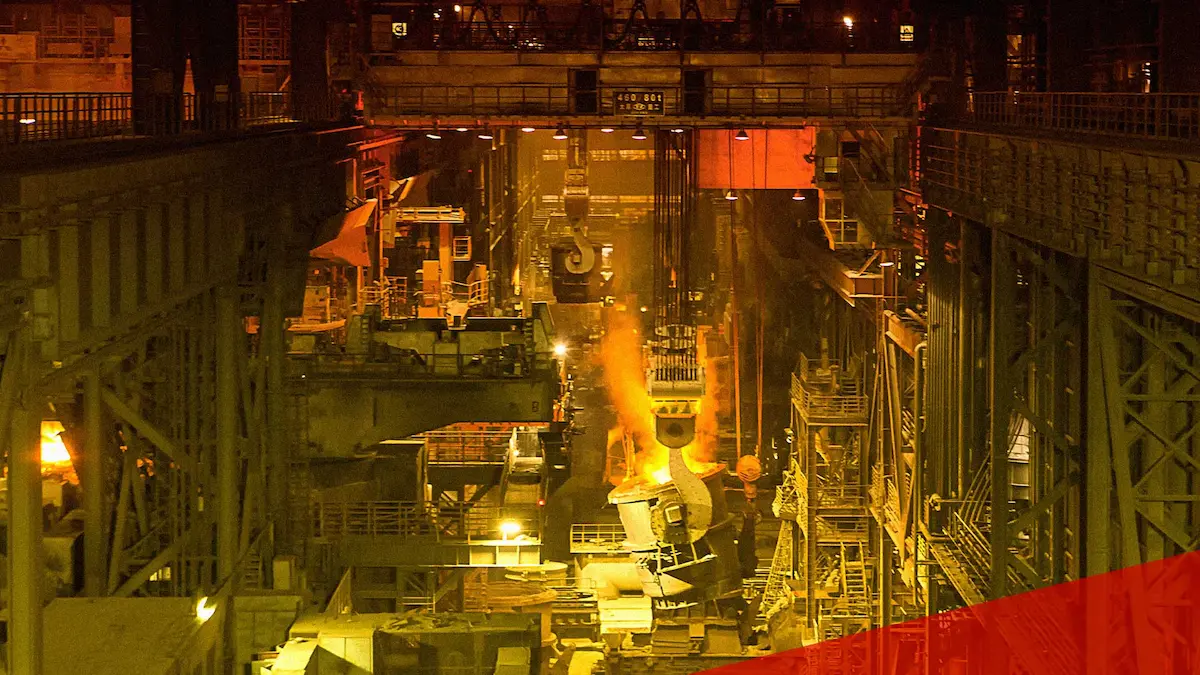
In many people’s impressions, high-temperature conditions are simplified to ambient temperatures of 40°C or 50°C. But those who have visited casting workshops know better. Far more than air heat consumes the lifespan of casting crane parts.
●Thermal radiation is the hidden main impact: Molten metal in ladles and hot castings constantly release strong radiant heat. Continuous heating furnaces also add to this. Once crane spreaders or trolleys approach heat sources, component surfaces can soar to hundreds of degrees within minutes.
●Actual thermal loads far exceed ambient averages: A workshop thermometer might show 45°C. However, hook bodies suspending ladles, pulley blocks, and cables underneath face dual attacks of hot airflow and radiant heat. Guiding selection with average temperatures often lays hidden dangers right from the start.
●Toxic superposition of multiple harsh factors: Heat rarely acts alone. Corundum dust, frequent current surges, and long-term overload operation combine with continuous 24-hour work. Heat softens materials and dries insulation. Dust and heavy loads then invade, causing component wear rates to rise exponentially.
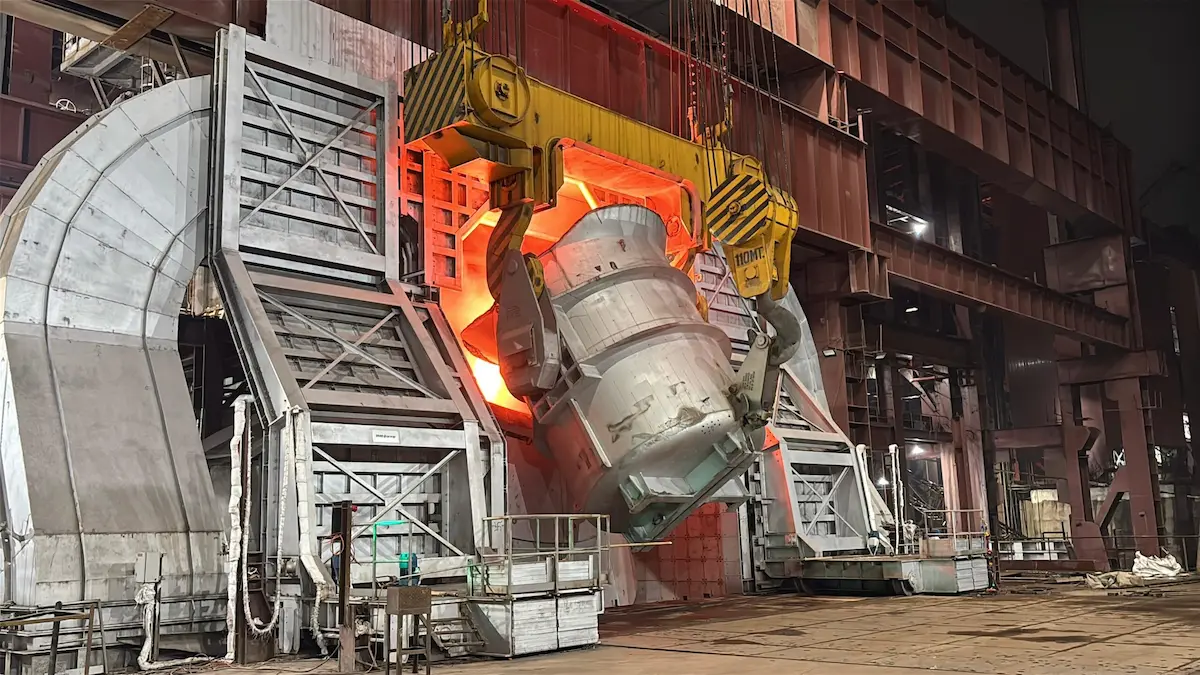
Why ordinary crane parts may not suit casting conditions
Many projects use general crane part specifications during initial procurement to save trouble or budgets. After going online for a few months, motors burn out, grease dries, and electrical faults occur frequently. The reason is straightforward: sufficient mechanical load capacity does not mean thermodynamic and electrical performance meets standards.
1.False sense of security in determined parameters: An ordinary motor nameplate states a rated load of 50 tons. Its mechanical gears and shaft strength are indeed fine. However, if insulation is below H-class or cooling fan efficiency drops in high heat, coil insulation breaks down soon.
2.Lubrication and electrical components collapse first: Conventional grease thins and flows away at 60 to 70 degrees. Gears and bearings directly dry grind after failure. Ordinary rubber cables harden and crack under radiant heat within months, grounding faults occur.
3.Selection requires comprehensive judgment: Casting crane parts selection cannot look at just one indicator. It must comprehensively evaluate heat source distance, radiation intensity, hoisting frequency, working class, and site maintenance convenience. Ignoring one variable brings future downtime and maintenance costs.
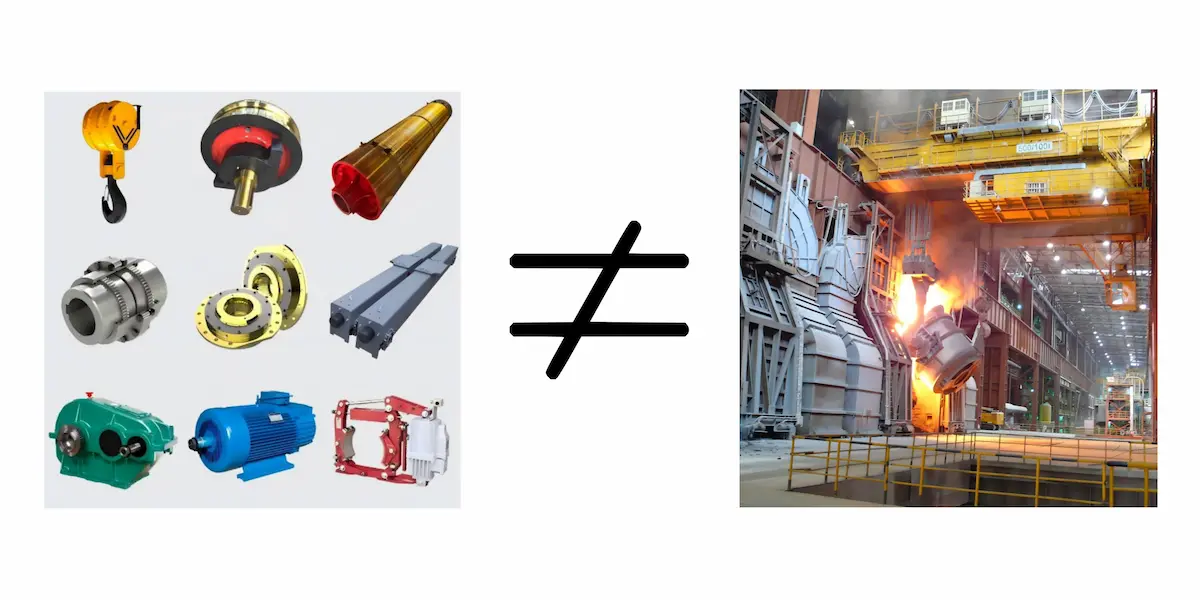
How to determine if parts are high-risk under high-temperature conditions
In daily management and procurement plans, not all parts need the highest thermal protection specifications. Learning to classify risk levels and spend budgets wisely is key. It is recommended to comprehensively judge from the following three dimensions:
|
Evaluation Dimension |
High-Risk Characteristic Description |
Typical Affected Parts Example |
| Failure Probability | Long-term direct thermal radiation, close contact with high-temperature airflow, or severe heating with poor heat dissipation | Hoisting motor, hooks and pulley blocks, under-hook cables, brake friction plates |
| Safety Impact | Direct heavy object drop, brake failure, or control loss without redundant protection buffer upon failure | Main hoisting brake, main hoisting reducer, hoisting wire rope, main control contactor |
| Maintenance Difficulty | Located inside high trolleys or narrow structures; inconvenient inspection. Requires full vehicle shutdown and huge replacement time upon failure | Reducer internal bearings and gears, trolley wheel groups, main sliding lines and collectors |
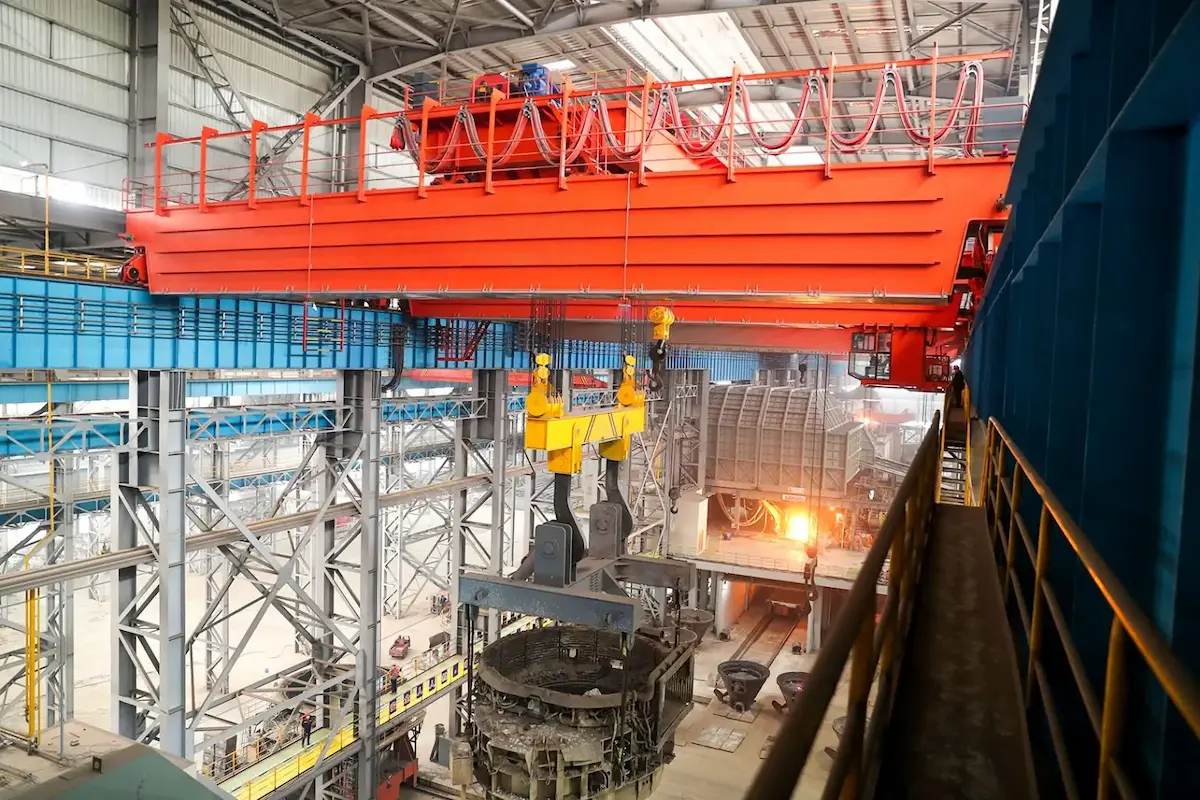
Six Types of Casting Crane Parts Most Vulnerable to High Temperatures
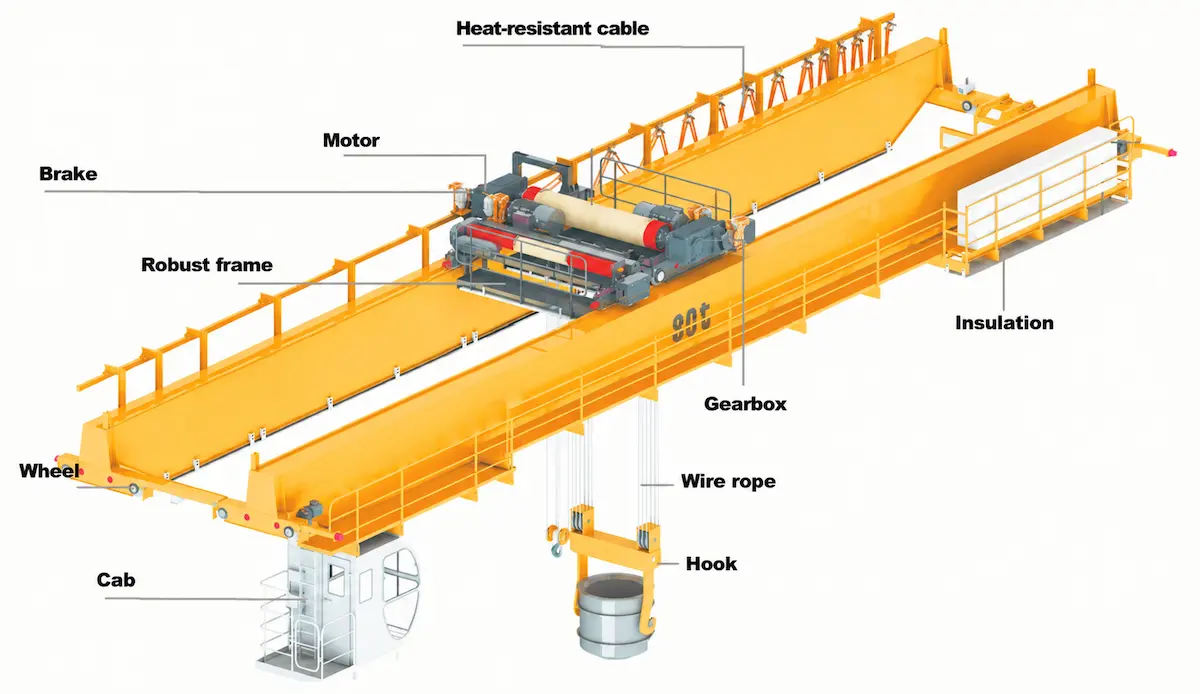
●Hoisting Motors (Insulation Aging and Poor Heat Dissipation): Motors suffer internal and external thermal distress. Frequent starts create internal heat. Radiant heat adds external pressure. Inadequate insulation or cooling causes coil short circuits.
●Brakes (Braking Force Decay and Abnormal Clearance): High temperatures alter friction pad performance. Lower friction coefficients reduce braking force. Thermal expansion changes clearances. Excessive gaps cause hook slips. Tight gaps create drag.
●Reducers and Lubrication Systems (Lubrication Failure and Gear Wear): Gearboxes generate heavy operational heat. Radiant heat spikes oil temperatures. Heat thins oil, destroying protective films. Failed seals worsen leakage and gear damage.
●Wire Ropes, Pulleys, and Hook Assemblies (Thermal Damage and Load Risks): Below-the-hook components face severe radiant heat. Prolonged baking dries internal rope grease. Steel becomes brittle. High heat lowers metal strength, raising load failure risks.
●Cables, Control Cabinets, and Electrical Components (Insulation Damage and Control Anomalies): Trailing cables and electrical components suffer chronic baking. Standard rubber cables crack and short circuit. Cabinets without heat insulation or forced cooling trigger control malfunctions.
●Wheels, Bearings, and Lubricating Components (Wear and Increased Resistance): Travel wheels and bearings endure intense surface heat. Grease easily carbonizes and hardens. Failed lubrication locks bearings, causing wheel gnawing, derailments, or broken axles.
Which Parameters Cannot Rely Only on Price When Selecting Casting Crane Parts?
In casting crane parts selection, focusing solely on initial procurement costs causes severe losses. The following six parameters represent baseline thresholds where price cannot be the only deciding factor:
|
Evaluation Parameter |
Common Low-Price Selection Mistakes |
True Requirements for High-Temperature Conditions |
| Actual Thermal Environment | Estimating via average workshop temperatures while ignoring radiant heat | Measure heat source distance and radiation peaks to match heat resistance |
| Working Class | Applying general bridge crane standards (like A5) directly to casting cranes | Casting conditions require A7 or A8 ratings for high fatigue resistance |
| Operating Frequency | Ignoring motor duty factors (ED%) and heat from high-frequency reversals | Select dedicated models with high starting frequency and strong heat dissipation |
| High-Temperature Protection Configurations | Eliminating heat shields or radiation screens to blindly cut upfront purchase budgets | Equip key components with heat shields, independent fans, or heat-resistant coatings |
| Spare Parts Procurement Cost | Treating initial quotes as the sole metric to pursue lower purchase prices | Cheap parts fail fast in high heat, creating higher cumulative replacement costs |
| Long-Term Operating Cost | Calculating initial savings while ignoring financial losses from frequent downtime | Apply Total Cost of Ownership (TCO) calculations; quality parts reduce shutdown rates |
How to Reduce the Risk of Casting Crane Parts Failure Through Daily Inspections?
In high-temperature and heavy-load casting workshops, relying on “repair after breakdown” often incurs painful costs in downtime. To catch hidden dangers before they burst, relying solely on scheduled overhauls is insufficient. Fine-grained management must be integrated into daily inspections and maintenance.
Establish an Inspection Checklist for Critical Parts
Daily inspections must never be a superficial stroll. Addressing high-frequency issues of casting cranes under high-temperature conditions, we have compiled a core component inspection checklist for frontline equipment managers:
|
Part Name |
Key Inspection Items |
Common Hazards and Abnormal Symptoms |
| Hoisting Motor | Temperature rise, abnormal noise, vibration, insulation status | Unusually hot casing, burnt insulation smell, high-frequency vibration in bearing area, decreased insulation resistance |
| Brake | Braking effectiveness, clearance, friction pair, motion consistency | Slippage or longer braking distance during stopping, out-of-control clearance jamming, carbonized or deeply worn friction pads |
| Reducer | Oil condition, leakage, noise, vibration | Darkened or deteriorated oil in sight glass, oil seepage at casing joints, metallic screaming noise from gear meshing |
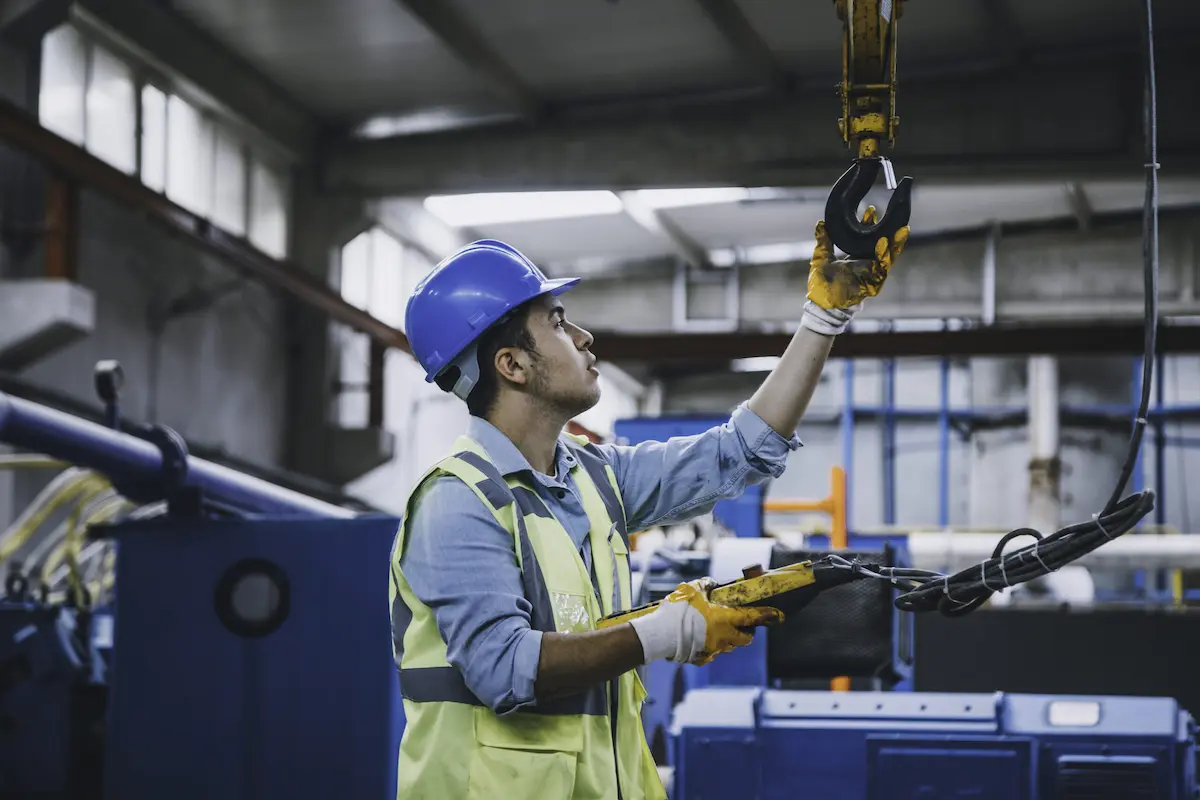
| Wire Rope & Hook | Broken wires, deformation, wear, heat damage traces | Localized strand loosening, wear exceeding limits on hook critical sections, dry and discolored steel wires from radiant baking |
| Electrical System | Cable appearance, insulation, wiring, cabinet temperature rise | Cracked or hardened trailing cable jackets, overheated and discolored terminals, cooling failure errors in inverter and PLC cabinets |
Which Abnormalities Require Prioritized Professional Inspections?
During site inspections or operations, if certain “red line” signals appear, never take chances by letting equipment operate while damaged. Report immediately and arrange intervention by professional maintenance personnel:
●Sudden change in braking performance: A noticeable increase in braking distance, abnormal noise during braking, or slight signs of hook slippage when hovering.
●Powertrain “tantrums”: Abnormally high temperatures on motor or reducer casings, burnt odors, or significant mechanical vibration and noise.
●Suspicious damage on load-bearing parts: Localized annealing or deformation on wire ropes in heat radiation areas, or visible micro-cracks and plastic deformation on hook surfaces.
●Frequent control system alarms: Frequent trips in electrical control cabinets, unprovoked PLC errors, or delayed response and loss of control in operating handles.
Iron rule on site: For abnormalities involving hoisting, braking, and load-bearing safety, never treat symptoms in isolation. Do not assume hidden risks are eliminated by merely replacing a single part. The equipment must be stopped for a systematic root-cause investigation.
Develop Spare Parts and Preventive Maintenance Plans for Casting Crane Parts
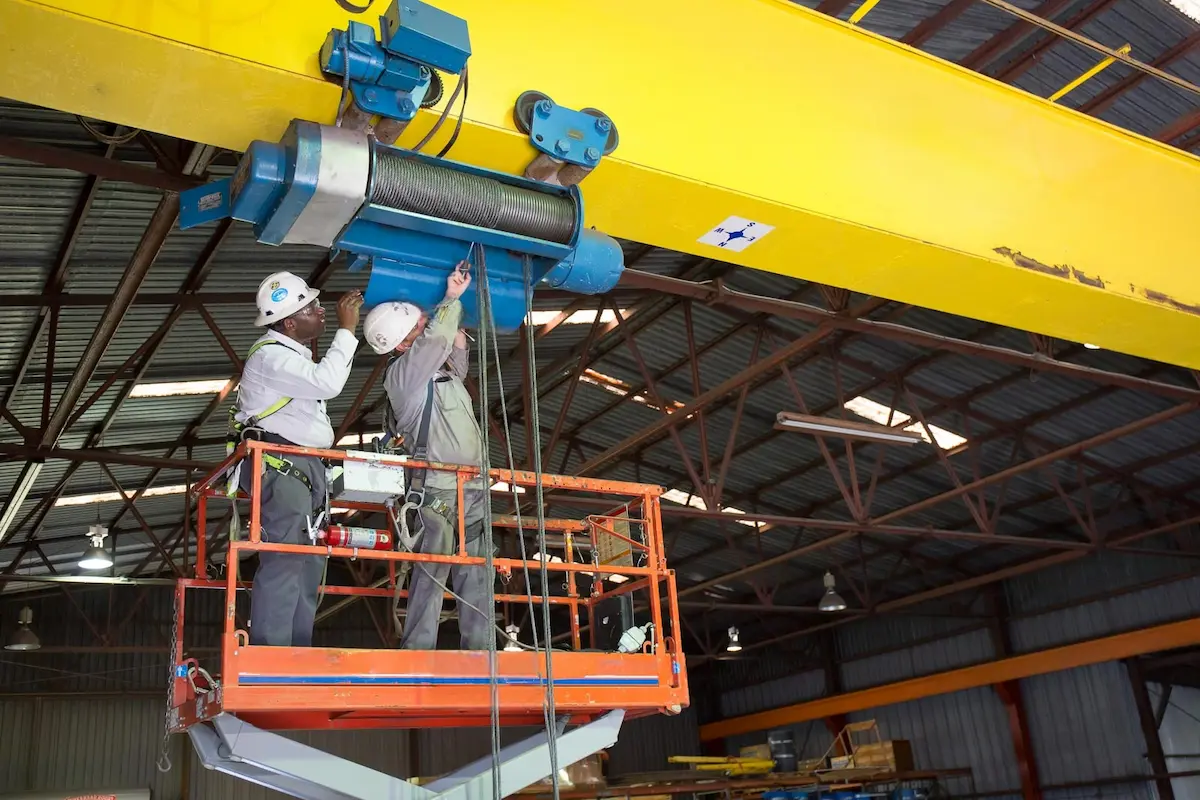
The essence of preventive maintenance lies in “staying ahead of failures.” Given the special environment of casting workshops, the equipment management team must implement the following three tasks:
1.Establish classified high-risk spare parts inventory: Maintain reasonable safety stock for key components with high failure probability and long procurement cycles, such as special high-temperature motors, dedicated brake friction pads, and custom trailing cables. Avoid long-term production halts while waiting for parts.
2.Dynamically adjust maintenance cycles: Avoid rigidly following calendar months for maintenance. During summer heat spikes and peak production seasons, proactively shorten inspection and oil-change cycles. Flexibly adjust preventive replacement plans based on actual equipment operating records, such as cumulative working hours and hoisting frequencies.
3.Build full-lifecycle archives: Keep comprehensive records of every fault resolution or part replacement. Log the time, ambient temperature, heat source distance, specific working conditions, maintenance records, and part batch numbers. This traces root causes and provides firsthand data for optimizing future selection parameters.
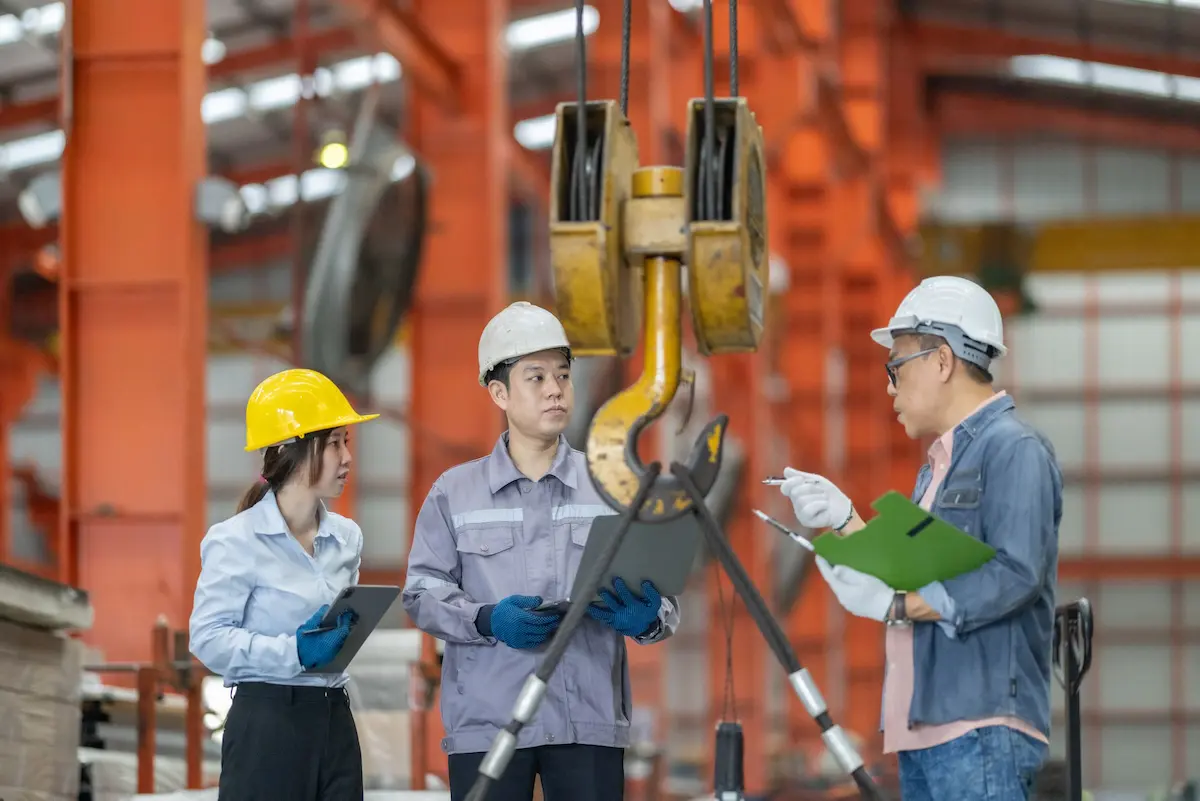
Product Advantages of HSCRANE Casting Crane Parts Solutions
Under harsh conditions of high temperatures, heavy loads, and high frequencies, general crane parts frequently fail. HSCRANE leverages deep engineering experience in the metallurgy industry. We strictly implement international standards throughout part design and manufacturing, creating high-reliability customized part solutions for steelmaking and casting workshops.
●Compliant structural design: All core parts incorporate strict metallurgical standards at design. Structures and heavy-load parts strictly execute EN 13001-2:2014 and ISO 8686-5:2017. Hoisting and travel mechanism fatigue calculations fully comply with FEM 1.001 requirements for A7/A8 conditions. Electrical safety follows EN 60204-32:2008 standards.
●Exclusive materials and protection for high-temperature and heavy-load conditions: Motors adopt fully enclosed H/H-class insulation with independent IC416 forced air cooling. Hook assemblies use DIN 15401 / DIN 15402 forged alloy steel with multi-layer heat shields. Electrical components adopt heat-resistant silicone cables and air-cooled cabinets to block radiation.
●Redundant safety guarantees focusing on core hoisting mechanisms: Hoisting mechanisms are the lifeline of casting cranes. HSCRANE provides a dual redundant scheme of dual brakes plus drum safety brakes. Combined with heat-resistant wire ropes and thermal-monitored reducers, we secure safety during molten metal handling.
●“One-crane, one-solution” customization based on site measurements: We reject rough selection based solely on tonnage. The HSCRANE team offers targeted material upgrades, sealing improvements, and cooling topologies based on heat distances, radiation peaks, duty factors (ED%), and installation dimensions, matching existing site systems perfectly.
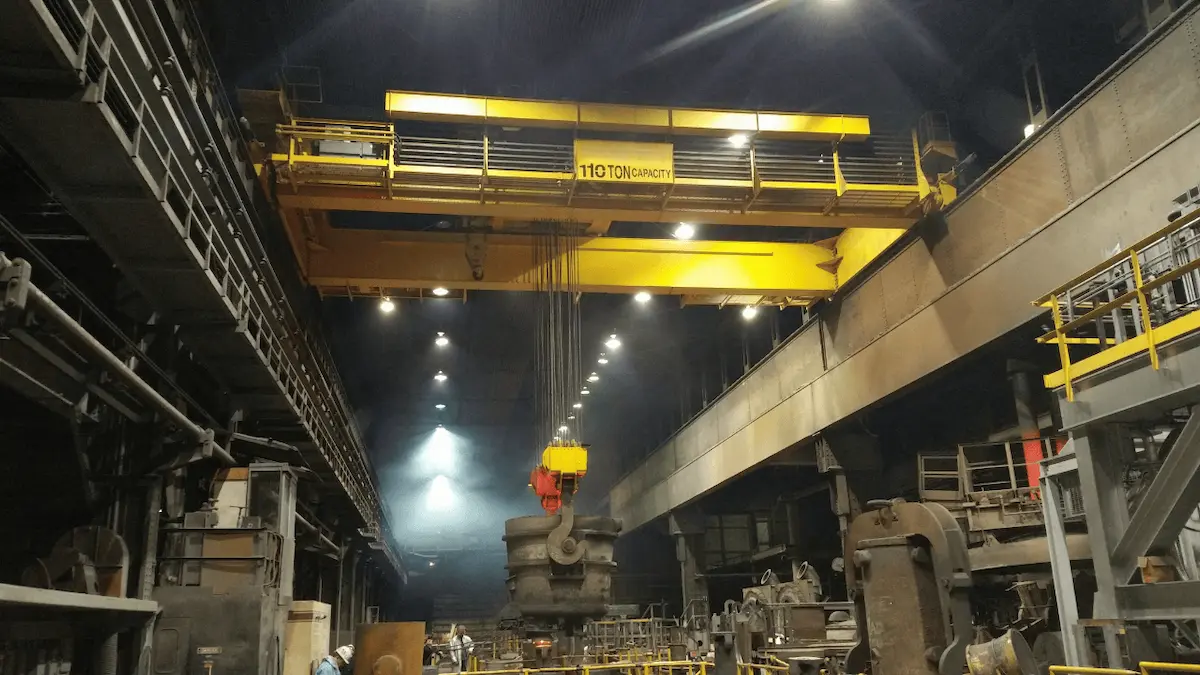
HSCRANE Classic Application Cases — High-Temperature Continuous Casting Workshop Crane Configurations
Azerbaijan Baku Steel Company 200t/50t Casting Crane Parts Upgrade and Modification
●Project conditions and main challenges: Baku Steel Company operates in Baku, Azerbaijan. Ambient temperatures reach 55°C, while instant radiation above ladles exceeds 300°C. Original general reducers and brakes leaked oil frequently, while friction pads carbonized rapidly. Part failures caused 18 downtime hours monthly.
●Key configurations and design concepts: HSCRANE replaced full part sets for the 200t/50t main hoist. Heavy-duty hard-tooth reducers designed to FEM 1.001 A8-class fatigue strength were adopted, equipped with fluororubber seals and external oil cooling. Thruster brakes featured automatic wear compensation, heat-resistant pads, and heat shields.
●Case results and procurement insights: After replacement, hoisting mechanisms operated safely for 24 months without failures. Reducer oil temperatures stabilized below 75°C, reducing maintenance costs by 42%. Dedicated parts with forced cooling and active thermal protection effectively eliminate downtime losses under extreme radiant heat.
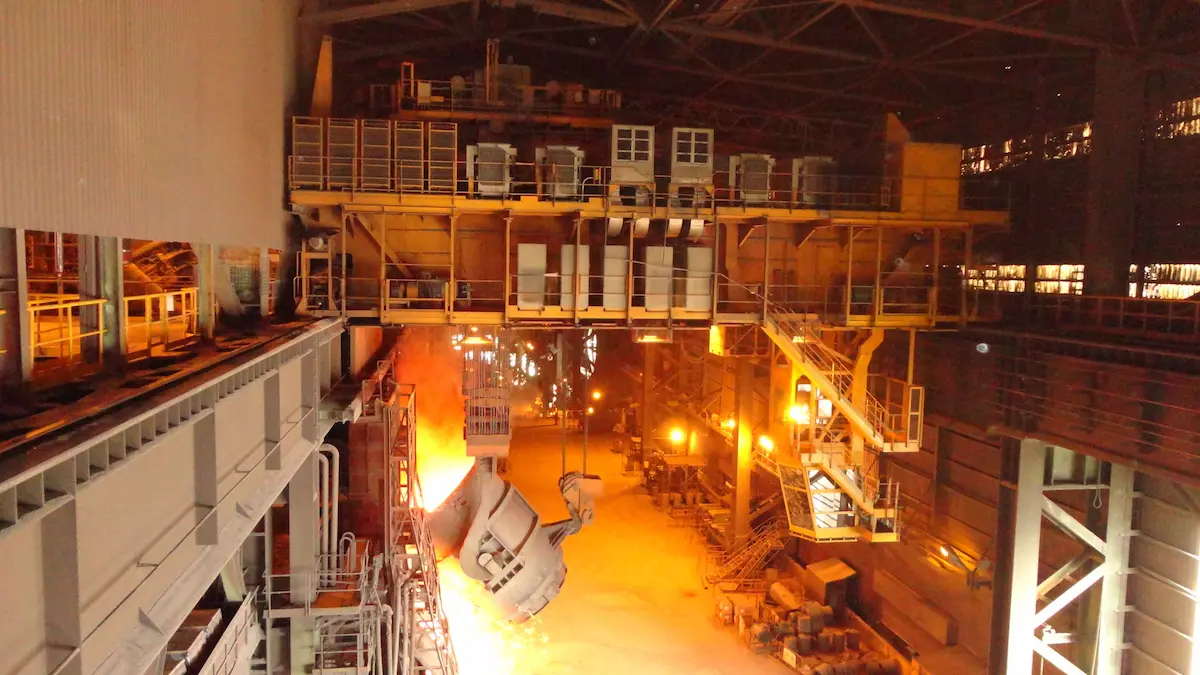
India JSW Steel 160t Ladle Handling Crane Spreader and Electrical System Reconstruction
●Project conditions and main challenges: JSW Steel operated a 160t ladle crane under high humidity, dust, and radiant heat. Hook assembly bearings jammed due to dried grease. Trolley trailing cable jackets cracked within six months, causing grounding trip faults.
●Key configurations and design concepts: HSCRANE provided complete hook assembly and trailing system parts. Hook assemblies adopted EN 10224 / DIN 15402 forged double hooks. Bearings used 260°C lithium grease, skeleton seals, and stainless heat shields. Trailing flat cables compliant with EN 60204-32 were installed with anti-vibration chains.
●Case results and procurement insights: After upgrading, hook lubrication cycles extended from weekly to quarterly. Trailing cable service life increased from 6 months to over 3 years, eliminating short-circuit shutdowns. Preventing part failures requires heat-resistant electrical and lubrication details alongside main mechanical structures.
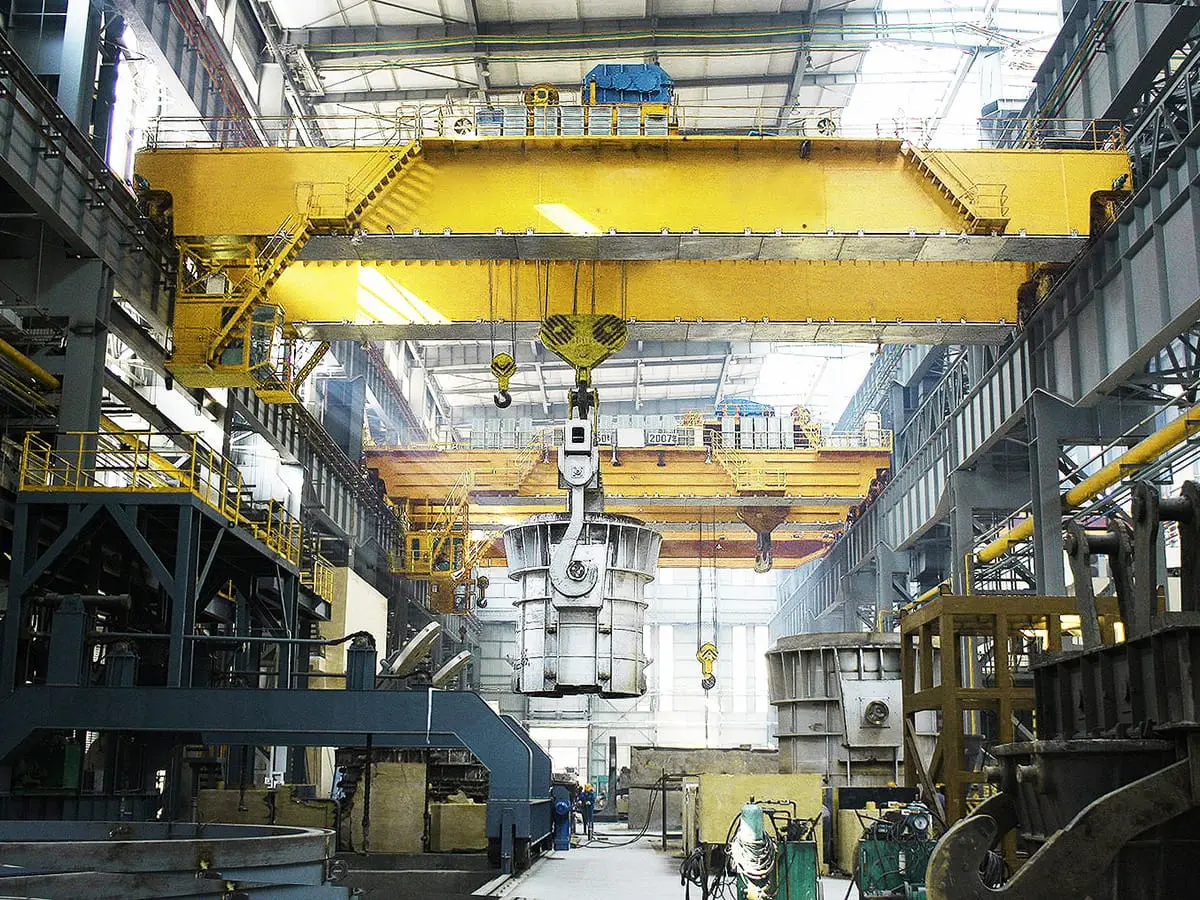
Conclusion
Harsh conditions in casting workshops leave no room for low specifications or selection errors. Often, frequent equipment issues do not stem from major manufacturing flaws. Instead, initial selections for casting crane parts fell into traps like “considering only mechanical loads while ignoring dynamic thermal radiation” and “focusing solely on price.”
From motor insulation to brake clearance, and from lubrication failure to cable hardening, every high-risk component directly relates to safety bottom lines during molten metal hoisting. Proper selection, rigorous daily inspections, and predictive spare parts planning form the core of ensuring uninterrupted production lines.
Contact HSCRANE immediately to consult on casting crane parts selection and high-temperature solutions.
From reasonable selection of key components to high-temperature protection configurations, ground every procurement decision on actual conditions and equipment requirements. This helps you reduce unnecessary maintenance costs while supporting long-term stable crane operation.
[Click to Contact: Speak with an HSCRANE High-Temperature Crane Expert]
After reading this article, you may also want to know:
After mastering part selection and failure prevention under high-temperature conditions, how can you transform this experience into an actionable system? A scientific management system—from part procurement specifications and spare parts inventory control to full-lifecycle health monitoring and final disposal—serves as the ultimate guarantee for safe equipment operation.
Click to read the next in-depth guide: Crane Spare Parts Lifecycle Management: A Complete Guide from Procurement to Disposal
FAQ
Q1: Why do casting crane parts frequently fail from overheating when ambient workshop temperatures are only around 40°C?
A: Air temperature does not equal actual thermal load. When cranes hoist ladles or pass heating furnaces, parts face severe radiant heat and hot airflow, raising surface temperatures quickly. Basing selection on average room temperature causes insulation, grease, and seals to fail prematurely.
Q2: Can standard H-class insulation motors be used directly for casting crane main hoists?
A: Direct use is not recommended. Although H-class insulation tolerates 180°C, regular motors cannot dissipate internal heat under heavy loads, high operating frequencies, and external radiation. Dedicated casting crane motors require compliant insulation ratings plus independent forced air-cooling fans and thermal protection.
Q3: What causes brakes to slip in high temperatures, and how should they be selected?
A: Thermal decay drops friction pad performance, while heat expansion alters clearances. Selection requires high-temperature asbestos-free friction pads, automatic wear compensation, and forced cooling or heat shields.
Q4: Reducers frequently leak oil and overheat in high temperatures. Can switching to higher viscosity gear oil solve this?
A: High viscosity alone cannot solve root causes. Excessive oil temperature stems from poor cooling or heavy loads, while higher viscosity increases flow resistance, worsening heat. Leaks occur as high temperatures harden seals. The solution involves heat-resistant fluororubber seals and external oil-cooling systems.
Q5: With limited budgets, which casting crane parts should be prioritized for replacement?
A: Prioritize safety red lines and high-downtime components. Order of importance: main hoisting brakes and friction pads > hooks and heat-resistant wire ropes > trailing cables and critical electrical parts > main hoisting motors and reducer lubrication. Safety-critical parts must never compromise.
This document is for reference only. Specific operations must strictly comply with local laws and regulations and equipment manuals.