

Overview
Replacing the hook assembly is a low-frequency but critical task during crane overhauls or routine maintenance. Many equipment managers mistakenly believe matching rated lifting capacities is enough for a seamless replacement. However, ignoring subtle differences in connection sizes, pulley matching, and overall height often causes installation failures. This can also lead to wire rope tangling or unexpected downtime and rework. This article is written to resolve this pain point effectively. We will start with the basic information required before replacement. We will also focus on key installation dimensions to help you build a dimension comparison table. Whether you handle overhead or gantry cranes, this guide helps clarify the full workflow logic. You can easily manage measuring, comparing, and installation debugging with this guide. It helps avoid hidden traps and ensures the lifting system operates safely and efficiently.
Looking for a Hook Assembly Matching Your Existing Crane?
HSCRANE provides suitable hook products and customized solutions based on your lifting capacity, model, and dimensions. Send us your equipment parameters to receive professional selection advice.
[Contact the HSCRANE Team for the Best Solution]
What Basic Information Is Needed Before Replacing a Hook Assembly?
Do not rush to measure dimensions with calipers before ordering or arranging on-site disassembly. The most critical first step is fully understanding your equipment background. On-site experience shows that installation issues rarely stem from poor measurement techniques. Instead, they usually result from incomplete initial information collection. To avoid detours in procurement and comparison, please prepare the following three types of basic information first:
Basic Parameters of the Original Crane and Hook Assembly
First, clear identification and load design of the original equipment are required. Different crane types have huge differences in trolley layouts and hook suspension methods. You can refer to the table below to draft a basic equipment file:
|
Parameter Category |
Specific Items to Verify |
On-Site Collection Points and Suggestions |
| Basic Equipment Information | Crane type | Clarify if it is an overhead crane, gantry crane, electric hoist, or specialized crane like grab or electromagnetic. |
| Rated Load Capacity | Crane rated lifting capacity (t) | Confirm the overall rated tonnage. Pay attention to the difference between main and auxiliary hooks. |
| Old Part Identification | Model and manufacturer of the old hook assembly | Check the model specification on the old hook nameplate. Finding the original factory serial number is ideal. |
| Weight and Load | Rated load and dead weight of the hook assembly | The rated load must match crane requirements. Dead weight affects effective lifting height and load calculations. |
| Technical Documentation | Original drawings and product manuals | Search original archives from factory construction or machine purchase. Drawing tolerances are crucial reference points for later comparison. |
Experience Sharing: If the equipment has been used for years, the nameplate may be blurred. In this case, finding technical files from acceptance inspection is much more reliable than guessing models. Contacting the original manufacturer to check archived records is also a great option.
Wire Rope and Hoisting Mechanism Parameters
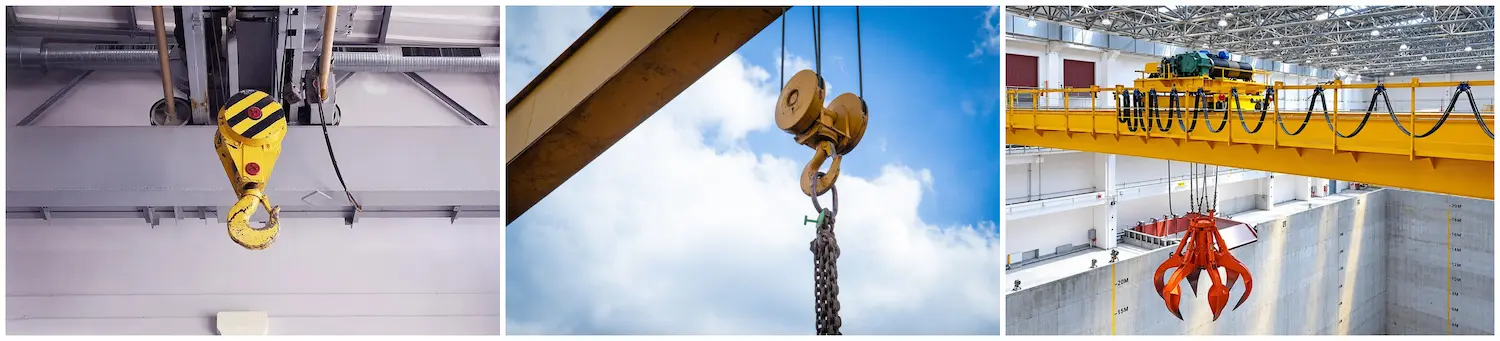
The hook assembly does not operate independently. It works closely with the hoisting mechanism of the entire crane. How the wire rope is reeved and how pulleys are arranged directly determines installation success. When organizing the hoisting system, focus on the following core points:
●Wire Rope Specifications: Accurately measure the rope diameter using proper methods to match the new pulley groove radius. Always measure the circumscribed circle diameter during this process.
●Reeving Ratio and Method: Confirm whether the mechanism uses 2/1, 4/1, or 4/2 double-reeving ratios. This directly affects pulley quantities and fleet angles.
●Pulley Quantity and Layout: Record total pulley numbers, single or double axle arrangements, and spacing between pulleys.
●Hoisting Mechanism Connection Structure: Confirm whether the upper part connects via lifting rings, pin shafts, or equalizer beams.
●Working Conditions and Frequency: Record the duty class like A3 to A8 and operating environment such as high temperature or dust. Note daily usage frequency, as it determines material selection and protection levels for the new component.
On-Site Measurement of the Old Hook Assembly
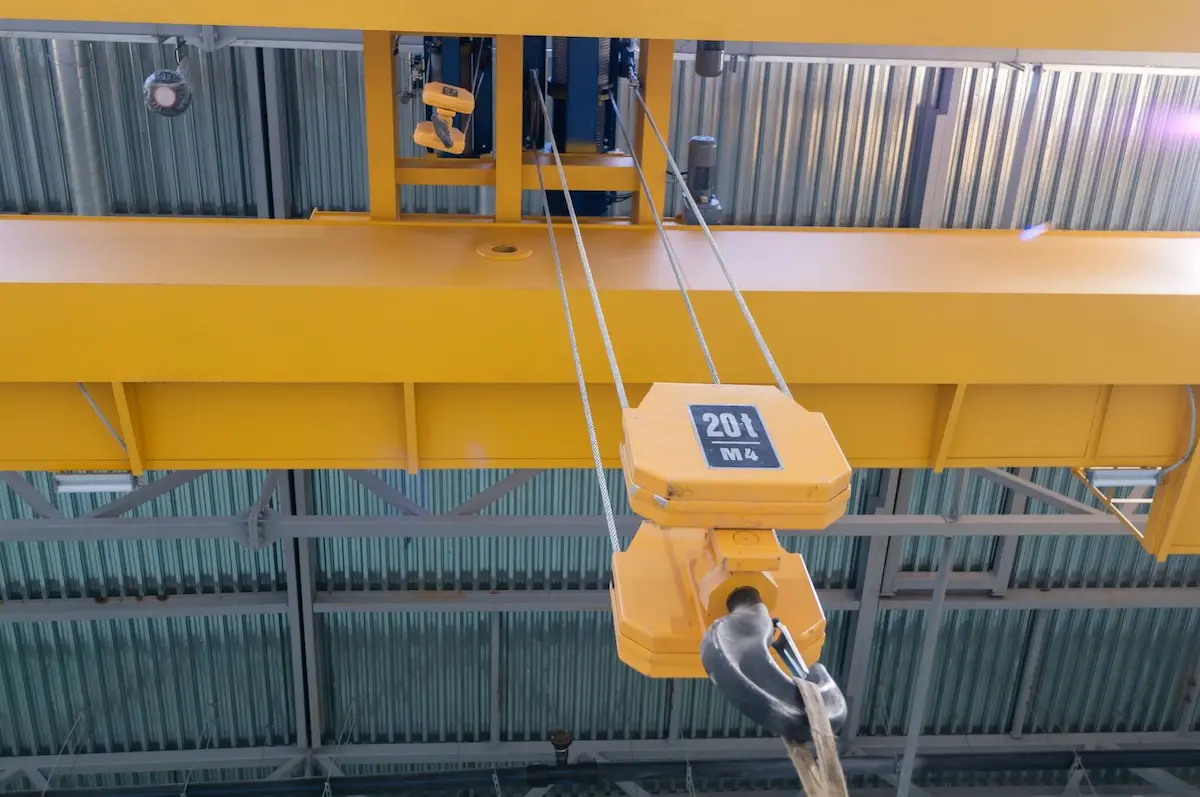
Before confirming replacement, scheduling an on-site measurement for the old component is recommended. Due to long-term stress, the old component may have invisible deformations. Real-time data helps compare new parts and evaluate wear patterns of the original structure.
Standard On-Site Measurement Process:
[Complete Photo Retention] ➔ [Precision Tool Measurement] ➔ [Defect/Wear Recording] ➔ [Comparison with Original Drawings]
1.Image Retention: Use a phone or camera to shoot overall appearance, anti-de-roping devices, upper pin shafts, and worn areas. Place a ruler nearby as a reference while taking photos.
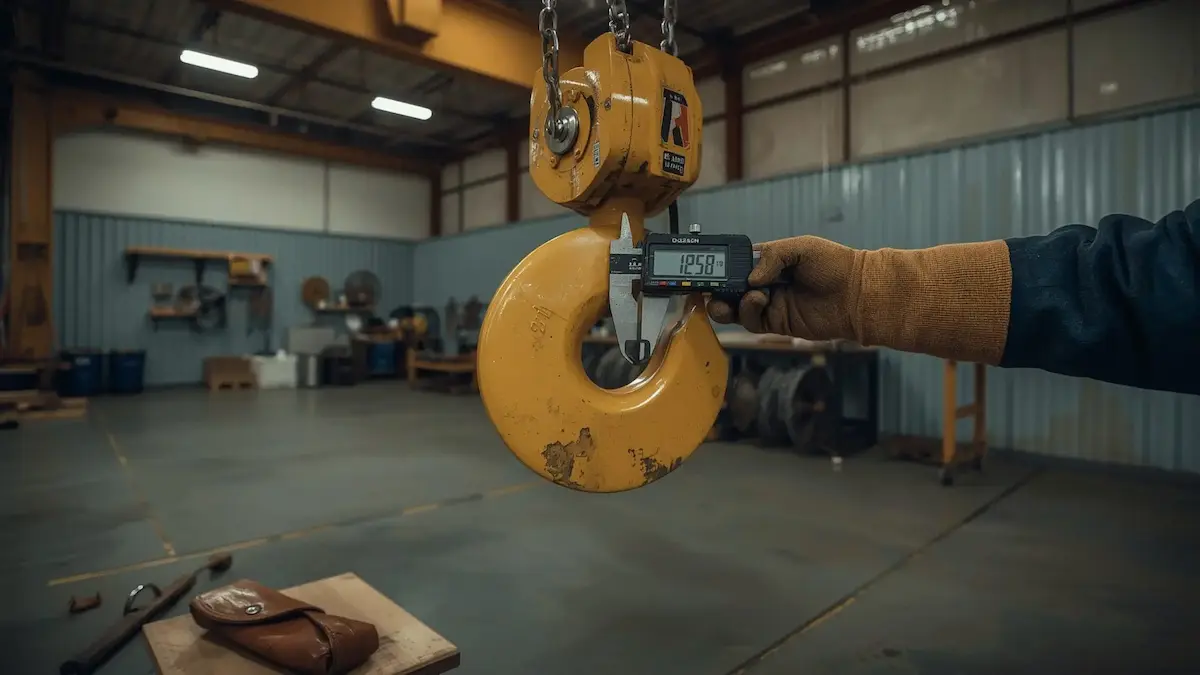
2.Tool Measurement: Prepare vernier calipers, micrometers, hydraulic jacks, and large tape measures. Focus on measuring pin hole diameters, hook openings, pulley outer diameters, and groove depths. Detailed key dimensions will be expanded in the next chapter.
3.Record Wear and Deformation: Carefully check wear amounts on critical hook sections and check for body twisting deformation. Inspect pulley groove walls for abnormal wear and check bearings for jamming or excessive clearance.
4.Drawing Verification: If original drawings are available, mark on-site data next to the drawings step by step. If deviations exist, distinguish normal wear size changes from early equipment modification differences.
After organizing the above information into a file, you will have a complete on-site draft. You will then feel confident during subsequent dimension comparisons and new part selections.
What Key Installation Dimensions Must Be Verified When Replacing a Crane Hook Assembly?
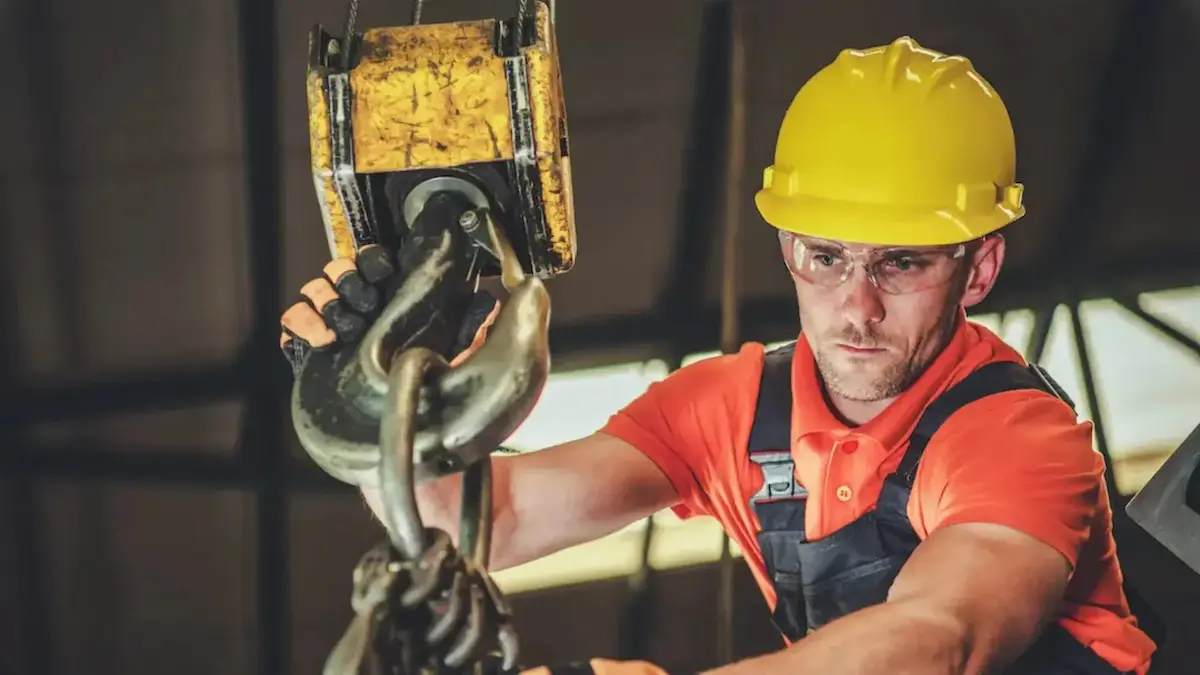
When purchasing or customizing a new hook assembly, never focus only on rated lifting capacity. Over 90% of installation conflicts or reduced lifting height result from unaligned key dimensions:
●Overall Dimensions of the Hook Assembly (Extreme Height and Width): Verify extreme height(Hextreme) from top to lowest hook point at maximum lift limit. Excessive height directly reduces effective lifting clearance or collides with limit switches. Total width dictates extreme left and right trolley travel.
●Upper Connection Dimensions and Suspension Structure (Pin Shafts and Plate Thickness): Measure upper pin diameter, length, and hole diameters of pull plates or equalizer beams. Correct tolerance fits prevent operational vibration or complete installation failure.
●Pulley Dimensions and Wire Rope Matching Parameters (Pitch Diameter and Rope Groove): Confirm pitch diameter (D), outer diameter, and hub width for proper bending ratios. Accurately measure rope groove radius (R) and depth; undersized grooves compress wire ropes, while oversized grooves cause derailing or tangling.
●Hook Body Dimensions (Opening Size and Critical Section): Measure hook opening size (a) and critical section thickness/height. Opening dimensions dictate smooth rigging attachment, while section sizes ensure structural strength per original load standards.
●Hook Assembly Dead Weight and Center of Gravity (Balance and Gravitational Settlement): Check total weight and center of gravity balance. Light assemblies cause wire rope slack during unloaded lowering, while heavy ones consume net capacity or tilt under load.
How to Determine If a New Hook Assembly Matches the Original Crane?
After receiving measured old part data and new part drawings, never judge compatibility based on rough estimations. Determining true compatibility requires three steps: data comparison, material load verification, and spatial dynamic simulation.
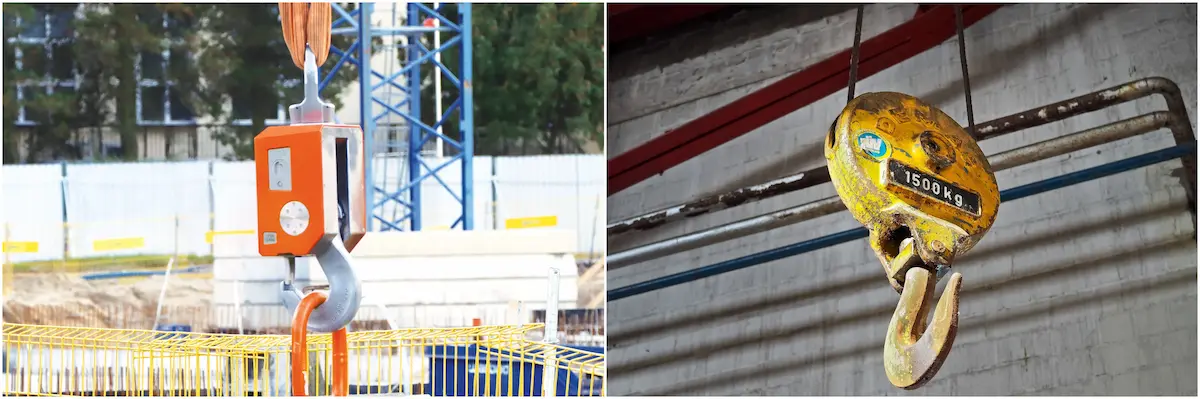
Establish a Dimension Comparison Table for Old and New Components
The most direct and reliable method is drafting a comparison table using field data and new product specifications. Quantitative analysis makes the matching degree of each key indicator clear at a glance:
|
Verification Item |
Original Component Dimensions (Field Measured/Old Drawing) |
New Component Dimensions (Factory Drawing/Measured) |
Allowed Deviation and Verification Purpose |
| Rated Lifting Capacity | Actual record (e.g., 20t) | Design confirmation (e.g., 20t) | Load Check: Rated capacity of the new part must not be lower than original ratings. |
| Overall Height (H extreme) | Actual measurement (upper pin center to hook mouth) | Drawing/measured confirmation | Lifting Space: Height increases reduce maximum lifting height. Confirm if limit switches are triggered. |
| Connection Pin Shaft Diameter | Actual measurement (multisite caliper measurements) | Drawing/measured confirmation | Assembly Fit: Tolerances must satisfy h8/f7 fit requirements. Avoid interference or loose shaking. |
| Connection Hole Diameter | Actual measurement | Drawing/measured confirmation | Physical Compatibility: Confirm consistency with trolley bracket or pull plate hole diameters. |
| Pulley Pitch Diameter | Actual measurement (groove bottom diameter) | Drawing confirmation | Rope Life: Satisfy bending ratio requirements (D/d) to prevent premature wire rope fatigue failure. |
| Wire Rope Matching Diameter | Original equipment/field rope diameter | Design confirmation (groove width and bottom R angle) | Anti-Wear and Anti-Dislodgement: Groove radius R is generally 0.53 to 0.56 times the nominal rope radius. |
| Hook Opening Size (a) | Actual measurement (compared against original standards) | Design confirmation | Rigging Attachment: Ensure standard lifters attach smoothly without excessive opening deformation. |
| Total Assembly Dead Weight | Actual record/nameplate | Product documentation | Load Balance: Insufficient weight causes unloaded jumping, while excessive weight consumes effective tonnage. |
Verify Materials and Load Capacity
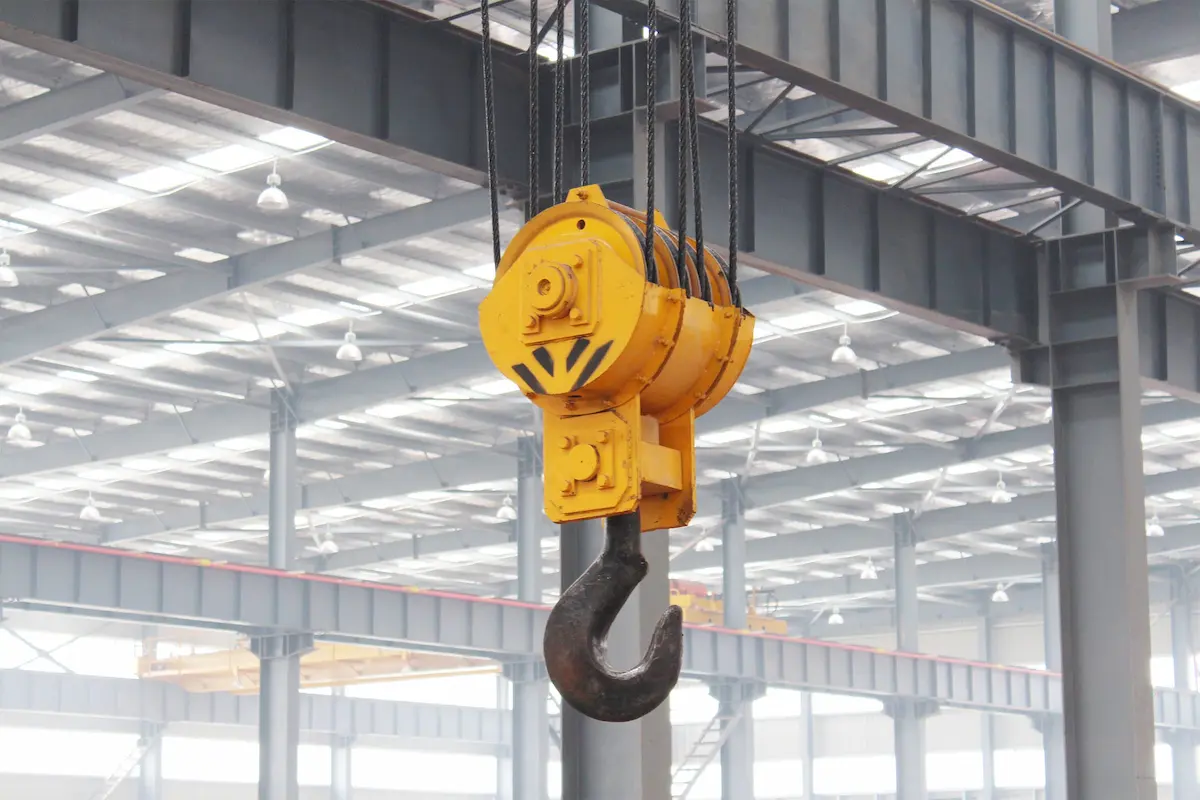
In addition to matching geometric dimensions, internal strength must not be compromised.
●Select Models Based on Working Conditions and Lifting Capacity: Examine both rated tonnage and working classes like M5 or M6. If crane usage frequency is extremely high, the mechanism class must not fall below original standards.
●Confirm Materials and Manufacturing Processes: Check if the hook body uses standard die forging like DG20 or DG20Mn. Alternatively, check if it uses high-strength alloy steel plate laminated forging. Confirm if explosion-proof copper alloys, stainless steel pulleys, or anticorrosive coatings are used in special environments.
●Inspect Key Load-Bearing Structural Designs: Pay close attention to transition fillets and load structures at hook thread roots, crossbeam surfaces, and bearing covers. This helps avoid stress concentration effectively.
●Check Standards and Inspection Reports: Request non-destructive testing reports like UT or MT alongside certificates conforming to GB/T, DIN, or ISO standards. This ensures no hidden internal cracks exist.
Confirm Installation Space and Operational Compatibility
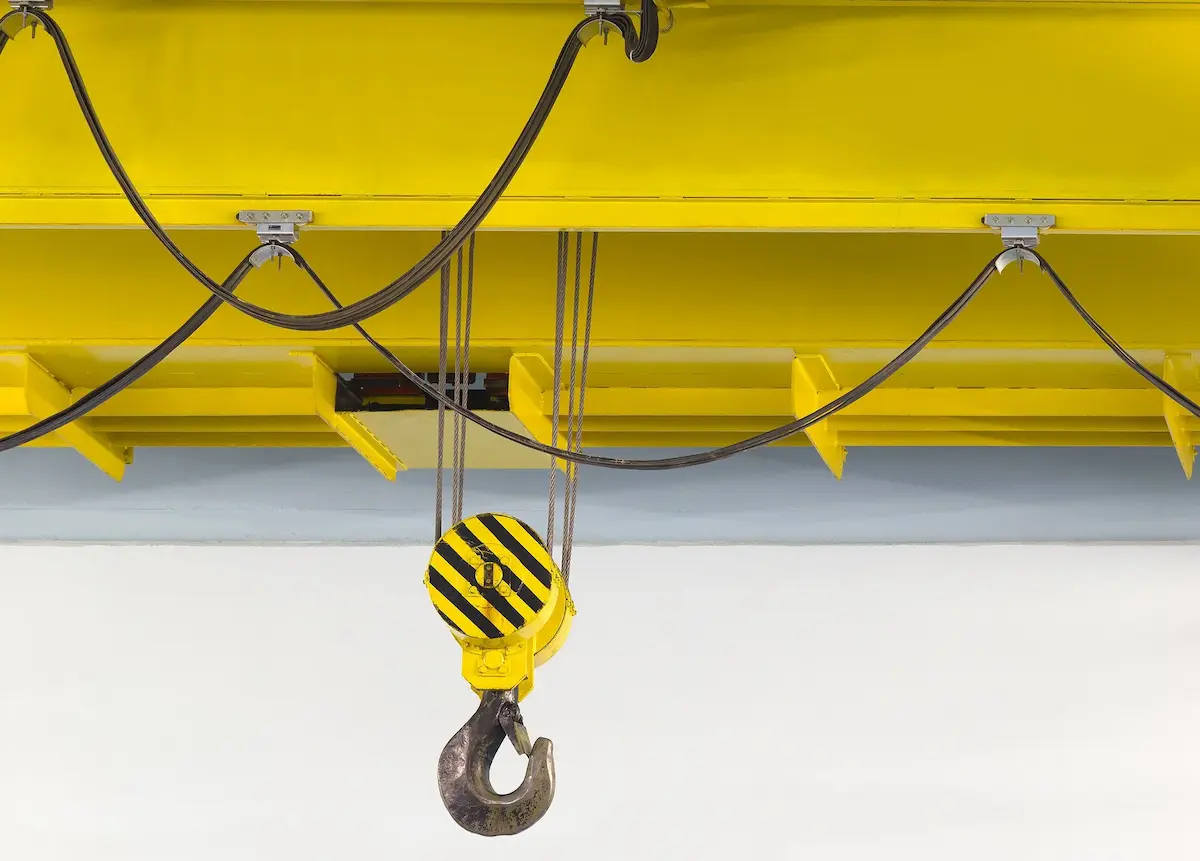
After matching dimensions and verifying static load capacity, conduct a dynamic simulation within the trolley environment:
1.Check Static Clearance with Trolley Structures: When the hook raises to the maximum limit, ensure at least 30-50mm safety clearance remains. Check clearances between pulley covers, plate hook edges, trolley frames, wire rope drums, and limit bumpers.
2.Confirm Wire Rope Reeving Paths and Fleet Angles: Inspect the fleet angle into pulley grooves. Fleet angles should not exceed 4 degrees. This prevents severe friction against groove walls, early wear, or derailing.
3.Verify 30-Degree Rotation and Swing Space: When the hook rotates under empty or full loads, check if hook tails or nut locking devices hit pulley side plates. Confirm no dead spots exist during left-right swinging.
4.Evaluate Anti-Unhooking Devices and Travel Limits: Confirm safety latches on the new hook open smoothly. Ensure bumper blocks trigger lifting limit switches accurately to maintain normal safety circuit operations.
What Precautions Should Be Taken During Hook Assembly Replacement and Installation?
After confirming dimensions and selections, on-site construction decides final success. Crane safety requirements are extremely high. You must strictly observe the following standards during disassembly, installation, and debugging:
●Safety Preparation Before Disassembly: Implement safety lockouts and warning tags before construction. Cut off the main power supply of the crane. Fully slacken the hoisting wire rope. Use wooden blocks or brackets to support the old hook assembly stably. Never strike connection pin shafts directly under suspension. This prevents wire rope recoiling or component falls that could injure workers.
●Inspection When Installing the New Hook Assembly: Clean oil stains and rust from trolley pull plates, pin holes, and pin surfaces before assembly. Check bearings and pulleys for smooth rotation. Ensure extreme pressure lithium grease is adequately filled inside. Never force pin shafts in with large hammers when stuck. Adjust lifting angles and concentricity instead. Install split pins or lock nuts immediately after assembly is complete.
●Debugging and Inspection After Installation: Turn machinery manually after mounting to check wire rope reeving. Ensure ropes run smoothly in pulley grooves without crossing or jumping. Perform no-load hoisting tests after powering on. Verify that upper and lower limit switches trigger accurately. Finally, conduct 100% rated dynamic and 125% static load tests according to specifications. Confirm flexible rotation, noiseless pulleys, and tight connections.
Product Advantages of HSCRANE Crane Hook Assembly
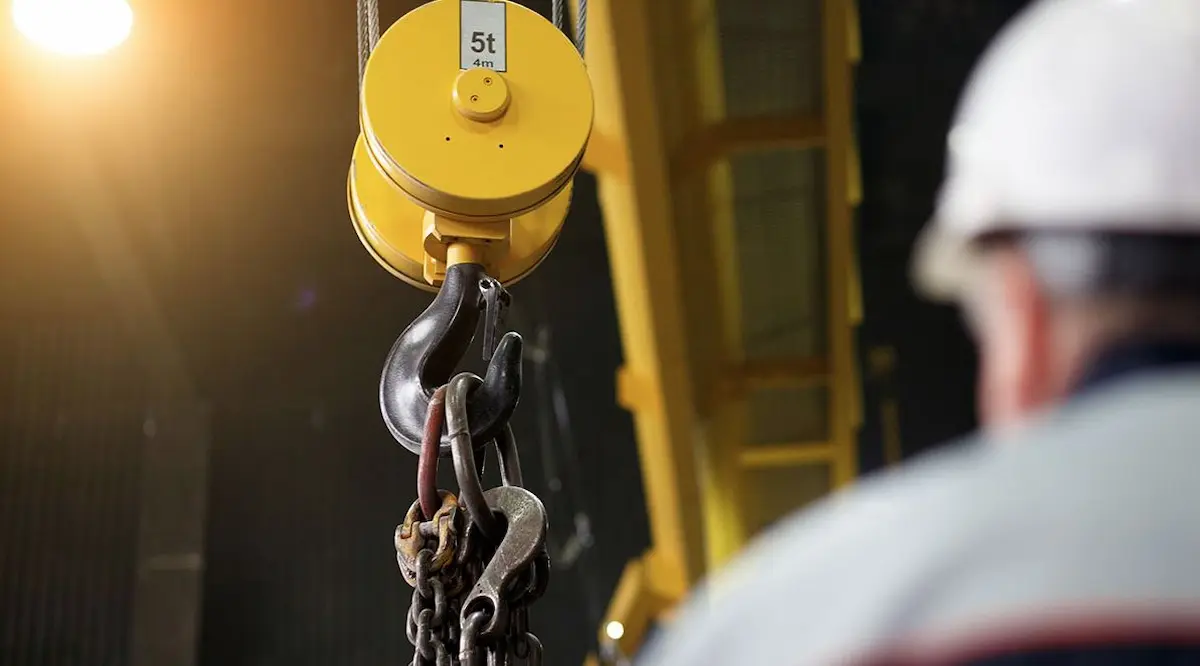
With years of industrial manufacturing experience, HSCRANE prioritizes safety and adaptability. Our hook assemblies meet strict international standards and offer reliable customized solutions for complex conditions:
●Rich Product Line and Multi-Specification Coverage: We offer a full series of hook assemblies from 1t to 500t. This covers single hooks, double hooks, laminated hooks, and explosion-proof or insulated types. All products follow ISO 16881-1:2024 and FEM 1.001 (1998) Booklet 3. This ensures extremely high safety margins under various operating conditions.
●Flexible Customized Dimensions and Structural Design: For modification projects with narrow spaces or special pins, our engineering team optimizes component geometry using 3D modeling based on your measured data. We precisely match suspension structures and reeving ratios, realizing seamless replacement without modifying crane main girders.
●Selected Materials and Exquisite Manufacturing Processes: Hook bodies use high-strength forged steel conforming to EN 10220:2002 and EN 10250-2:1999 (such as DG20Mn or 34CrMo4). Every hook undergoes 100% UT and MT inspection before factory departure. Pulley grooves undergo medium-frequency quenching to extend rope and pulley service life significantly.
●Full-Process Installation Guidance and After-Sales Support: We provide products, data verification, drawing confirmation, installation manuals, and online video technical support. For large or complex crane modification projects, HSCRANE can dispatch experienced service engineers to guide on-site installation and debugging. This restores production quickly and minimizes downtime losses.
Classic Replacement and Customization Cases of HSCRANE Hook Assembly
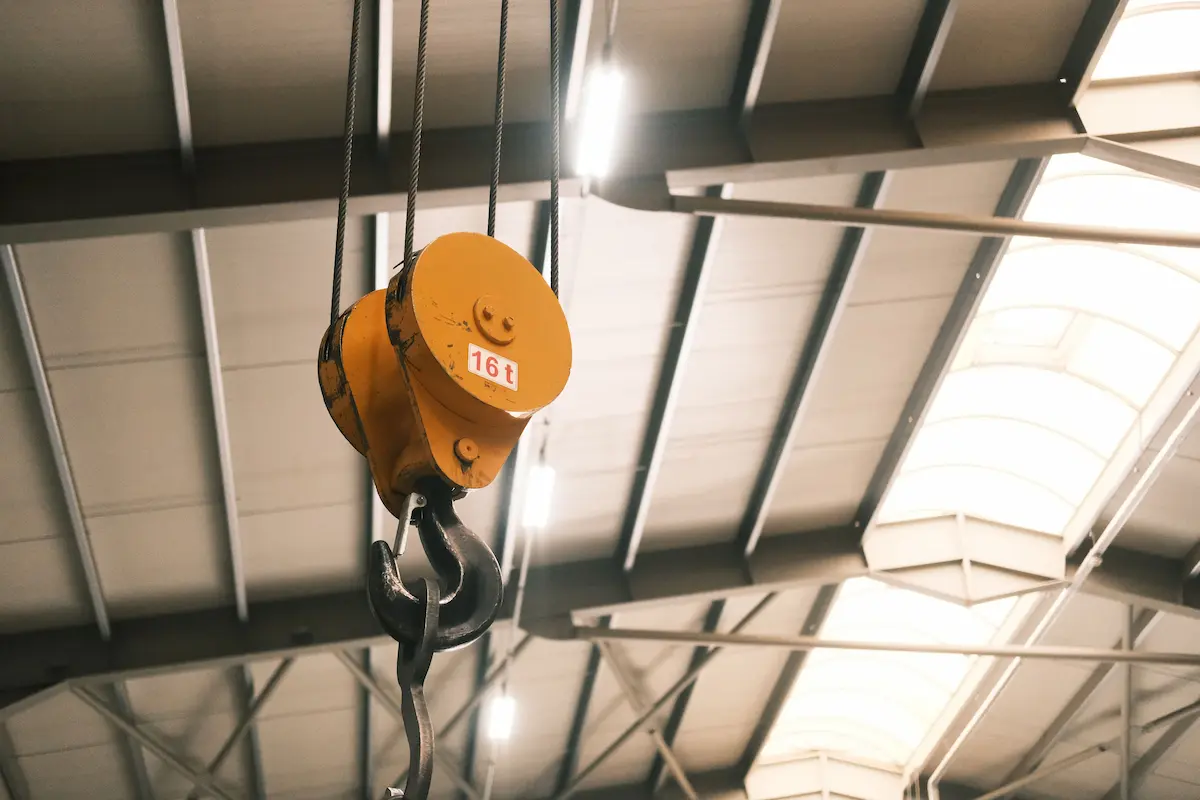
In selector design and replacing crane parts, real project experience is more convincing than simple theoretical parameters. Here are two typical cases of solving replacement and customization challenges for overseas port and assembly customers:
Bangkok Port, Thailand: 40-Ton Overhead Crane Hook Assembly Upgrade Case
●Project Background and Client: A container and heavy bulk warehouse under the Port Authority of Thailand (PAT). The original 40-ton overhead crane suffered severe pulley groove wear up to 4.2mm. Salt spray corrosion and long-term overload also caused 6% irreversible plastic deformation on the hook opening. An overall replacement and upgrade was urgently required.
●Replacement Difficulties and Field Challenges: The original machine was an early European model built 15 years ago without complete drawings. Field measurements revealed the upper trolley pulley space was 85mm smaller than standard FEM specifications. The wire rope reeving ratio was also a non-standard 4/2 double-reeving type. Purchasing standard 40t assemblies directly would reduce lifting height by nearly one meter. This would severely disrupt high-stacking port operations.
●Customized Technical Solutions: The engineering team designed a customized short-headroom 40t double hook assembly based on 12 key measured data points. Pulleys were made of high-strength EN 10250-2 forged steel with medium-frequency quenched surfaces. This hardness reached HRC 45-50 to resist sea salt corrosion effectively. The crossbeam structure was optimized to compress extreme installation height by 92mm precisely. It fully matched the original machine while increasing lifting space.
●Implementation Results and Quantitative Benefits: Replacement assembly and 125% static load testing were completed successfully. Field measurements showed the rope fleet angle dropped below 1.5 degrees, reducing expected wire rope wear by 35%. This rapid replacement shortened the expected ten-day transformation period to just 1.5 days. Port hoisting operations resumed quickly.
Mexico: 200-Ton Customized Crane Hook Project
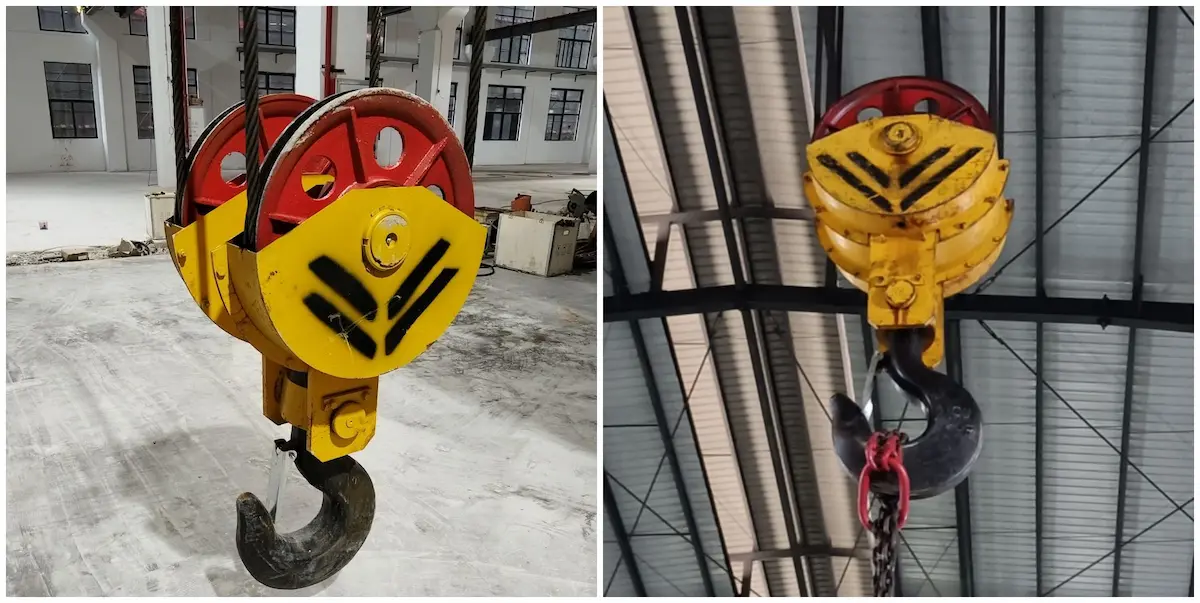
●Project Partner and Application Scenario: A major Mexican port logistics and heavy machinery equipment supplier (Mexico Port & Terminal Logistics Project). The client needed to purchase one set of 200-ton heavy-duty hook assembly. It was used for lifting containers and special heavy-duty equipment during port handling operations.
●Technical Bottlenecks and Performance Demands: Heavy-duty 200-ton lifting demands extremely high internal metallographic structure and fatigue life. The client explicitly required full compliance with international safety standards like ISO 16881-1:2005. Main hook load sections had to withstand repeated pulsating cyclic loads. Assembly dead weight was strictly controlled within 3.2 tons to prevent consuming effective net lifting capacity.
●Strict Manufacturing and Inspection Processes: High-strength 34CrMo4 alloy forged steel was utilized for overall die forging. Pin shaft tolerances and rope groove radii (R=0.54d) were confirmed through three technical rounds. The component underwent 100% UT and MT inspection before factory departure. A third-party non-destructive testing report and a 250t (125% rated load) operation trial certificate were attached.
●Delivery Performance and Client Feedback: The product was shipped smoothly to Mexico and passed one-time installation acceptance. Field trial runs demonstrated that under full 200-ton load suspension, rotating bearing resistance torque remained below industry standard limits. The smooth rotation received high praise from the Mexican port engineering department.
Conclusion
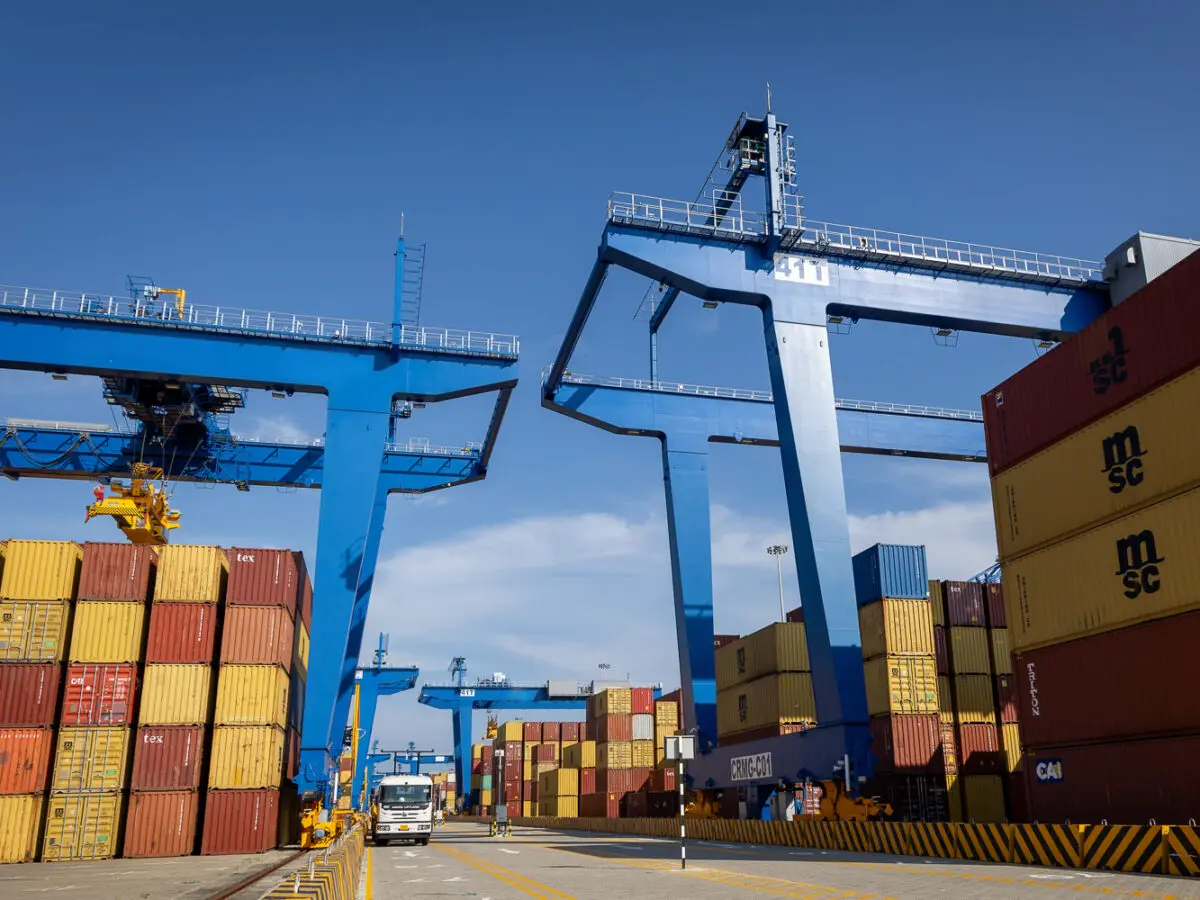
Replacing a crane hook assembly is never simply removing old parts and mounting new ones. Key parameters, field measurements, comparison tables, and space compatibility directly affect equipment operating safety. Any subtle dimension deviation might cause reduced lifting height, abnormal rope wear, or unexpected downtime.
We hope this systematic process helps clarify your maintenance or upgrade decisions. Grasping key installation dimensions and working demands reduces procurement risks and rework costs significantly.
If you prepare replacements or encounter complex custom dimension matching, please share your equipment parameters with us. The HSCRANE professional technical team will provide free matching evaluations and selection advice. Click the button below to submit your equipment parameters. We will arrange an engineer to connect with you!
[Submit Your Project and Equipment Parameters]
Extended Reading | Advanced Selection and Safety Standards
Having aligned installation dimensions for your hook assembly, do you know how to choose the right hook type? What key standard details require close attention under ISO, FEM, and national safety specifications?
Recommended Reading: Crane Hooks: Types, Applications, and Safety Standards in Industrial Lifting
Frequently Asked Questions (FAQ)
Q1: Why does a new hook assembly fail to install if its rated capacity matches the original crane?
A: Rated capacity indicates load capability, not geometric compatibility. Product dimensions like extreme height, pin diameter, plate width, and pitch diameter vary across manufacturers. Ignoring detailed dimension verification causes pin mismatch, frame collision, or limit switch crushing.
Q2: What thresholds mandate replacing a worn or enlarged hook?
A: Safety regulations mandate scrap and replacement without repair welding under any following conditions:
1.Hook opening increases by 10% over original dimensions.
2.Critical section wear reaches 10% of original dimensions.
3.Hook body twists beyond 10 degrees.
4.NDT reveals cracks on critical sections or thread roots.
Q3: Must pulley groove radius R strictly match the wire rope when changing the hook assembly?
A: Yes. Small groove radii compress wire ropes severely, causing rapid fatigue wire breakage. Oversized grooves lack support, causing rope jumping or tangling. Typically, groove radius R must be 0.53 to 0.56 times the nominal rope radius.
Q4: How can custom parameters be provided without original technical drawings?
A: Measure key data using calipers, tapes, and cameras: pin diameter, plate inner width, pulley diameter/quantity, rope diameter, and overall height. Provide multi-angle field photos. Our engineering team can reverse model and compare dimensions accurately.
Q5: How does upgrading the hook assembly to a higher duty class (e.g., M4 to M6) affect the crane?
A: Higher duty classes use wear-resistant materials, precision bearings, and thicker protection to extend fatigue life. However, increased component weight must be verified to prevent consuming effective crane capacity.
This document is for reference only. Specific operations must strictly comply with local laws and regulations and equipment manuals.