

Abstract
This article focuses on the “Top 10 Common Mistakes in Crane Spare Parts Procurement.” It analyzes common purchasing issues in real procurement processes. These include focusing only on price while ignoring quality and service life. Other issues include inaccurate model matching and poor electrical compatibility. It also highlights the neglect of critical safety components and lack of long-term spare parts planning. These mistakes often increase equipment failure rates and extend downtime. They also raise long-term maintenance costs. Based on industry experience, the article emphasizes scientific selection and standardized inspection. It highlights the importance of choosing professional suppliers. The article also introduces HSCRANE advantages in spare parts quality control. It covers OEM customization capabilities, inventory response, and technical support. These strengths help companies achieve safer and more efficient crane operation management.
Compared with purchasing a complete crane, crane spare parts procurement is more prone to problems. Spare parts are purchased frequently and usually in smaller amounts. Procurement is often handled by different staff in multiple batches. This increases management complexity. At the same time, crane models are diverse and many parts are non-standard. Compatibility requirements are therefore strict. Any error in selection or parameter confirmation may affect crane operation. It may even lead to equipment shutdown. This results in additional maintenance costs and production losses.In our 20+ years of experience, 70% of premature crane failures are caused by incorrect spare part procurement, not the machine itself.
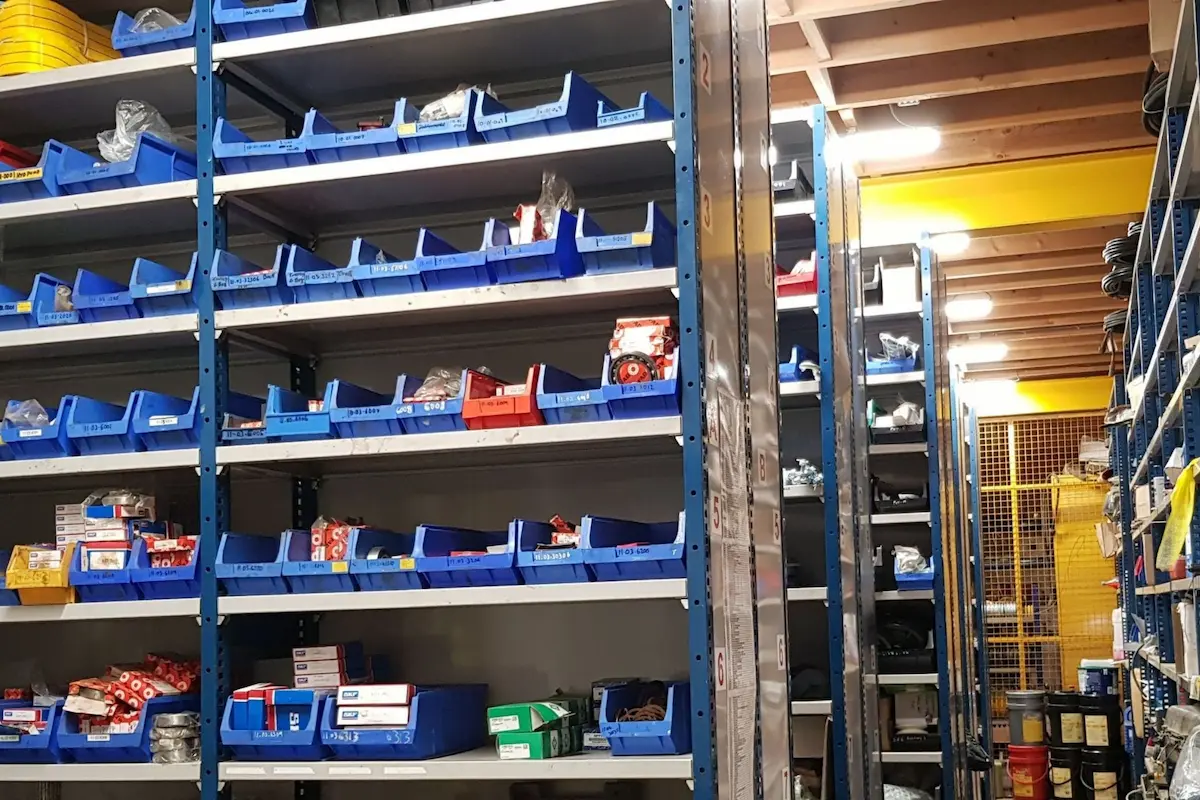
Top 10 Common Mistakes in Crane Spare Parts Procurement
In real operations, spare parts issues often come from procurement decisions rather than product defects. The following ten mistakes often increase equipment failure rates. They also extend downtime and raise maintenance costs.
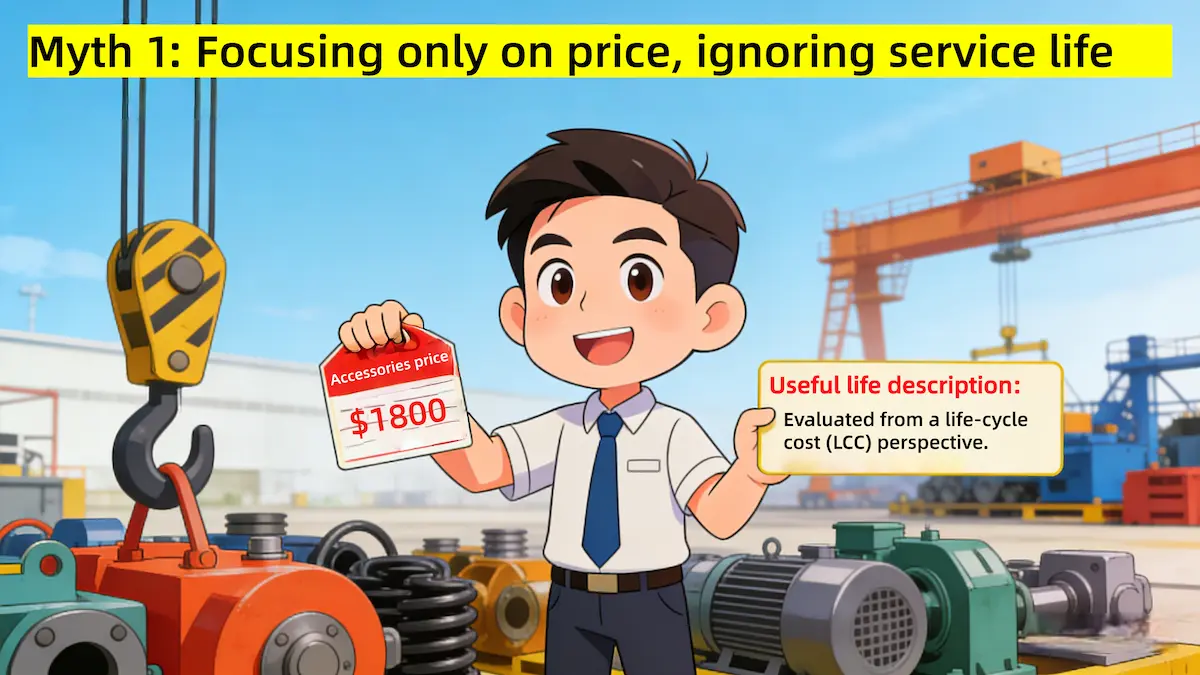
Mistake 1: Prioritizing Initial Price Over Total Cost of Ownership (TCO)
●The Trap: Procurement teams often select standard wear-and-tear parts based solely on the lowest unit price, ignoring material grades and heat treatment standards.
●The Reality: A cheap brake pad might save you $50 upfront, but when it wears out twice as fast, it causes unplanned downtime. In continuous production environments (like steel mills or ports), an hour of downtime can cost thousands of dollars.
●The Fix: Always evaluate parts based on Life-Cycle Cost (LCC). Ask your supplier for the MTBF (Mean Time Between Failures) data to calculate the true cost over a 5-year operational period.
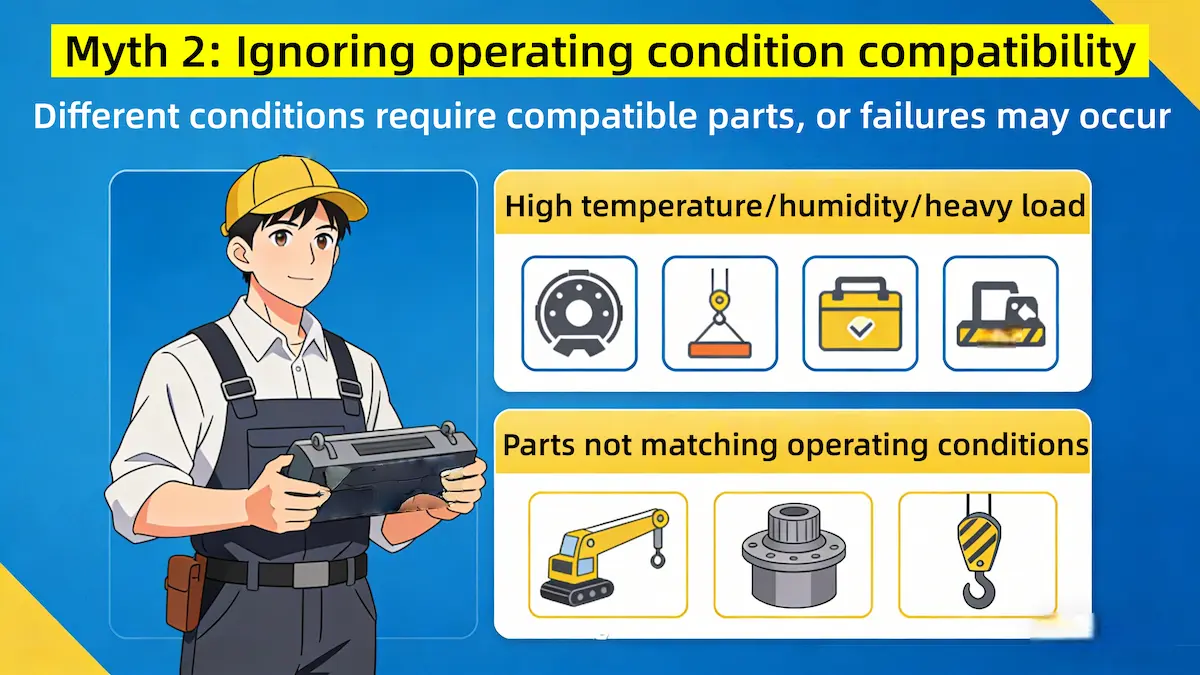
Mistake 2: Ignoring Operating Condition Matching
●Current Situation: Spare parts are replaced only according to the original model. Actual working conditions are rarely reassessed. Load changes and operating frequency are often ignored.
●Reality: Overhead cranes and gantry cranes operate under different working classes. Hoisting frequency, load impact, and environmental conditions vary. High temperature, dust, humidity, or corrosion require higher component performance. Poor selection may cause premature failure.
●Recommended Solution: Confirm actual working parameters before procurement. Check load rating, duty cycle, and environmental conditions. Upgrade key components when necessary.
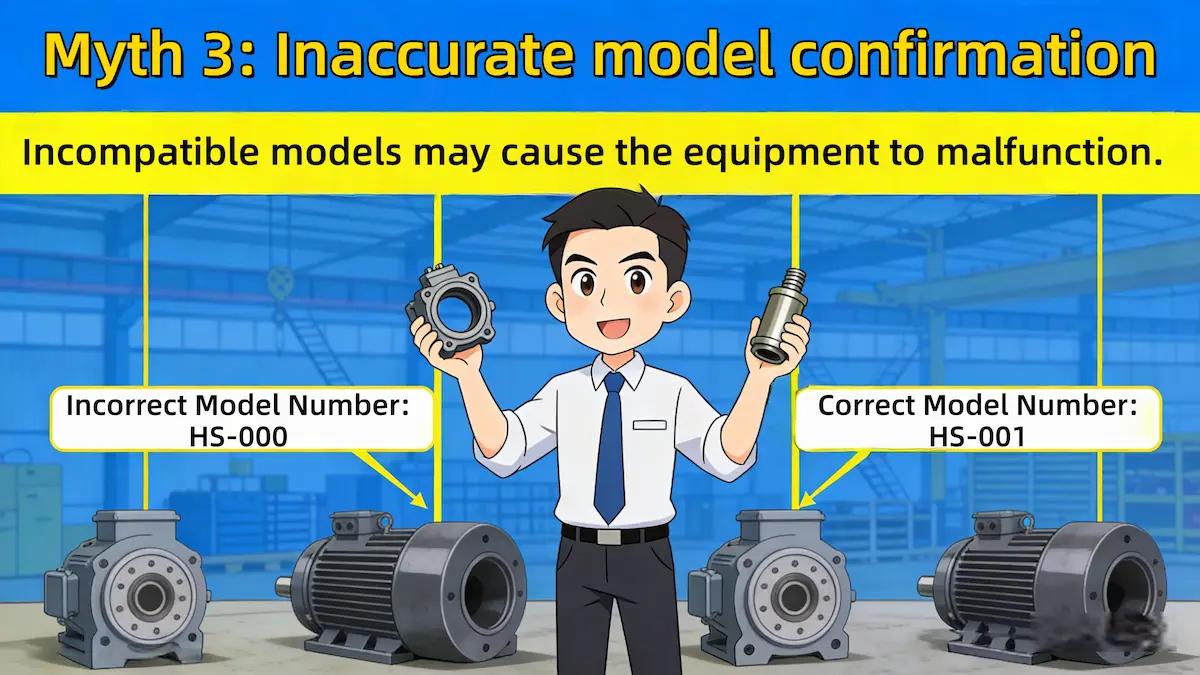
Mistake 3: Inaccurate Model Verification
●Current Situation: Model confirmation often depends on drawings, historical records, or manual memory. Equipment upgrades or modifications are frequently overlooked.
●Reality: Small differences in gearbox ratio, motor power, or electrical interfaces may exist. These differences may cause installation mismatch. They may also increase vibration or reduce efficiency. In severe cases, crane safety may be affected.
●Recommended Solution: Establish a standardized model verification process. Confirm the latest drawings and technical parameters. Perform double technical confirmation with the supplier. This prevents repeated purchasing caused by information errors.
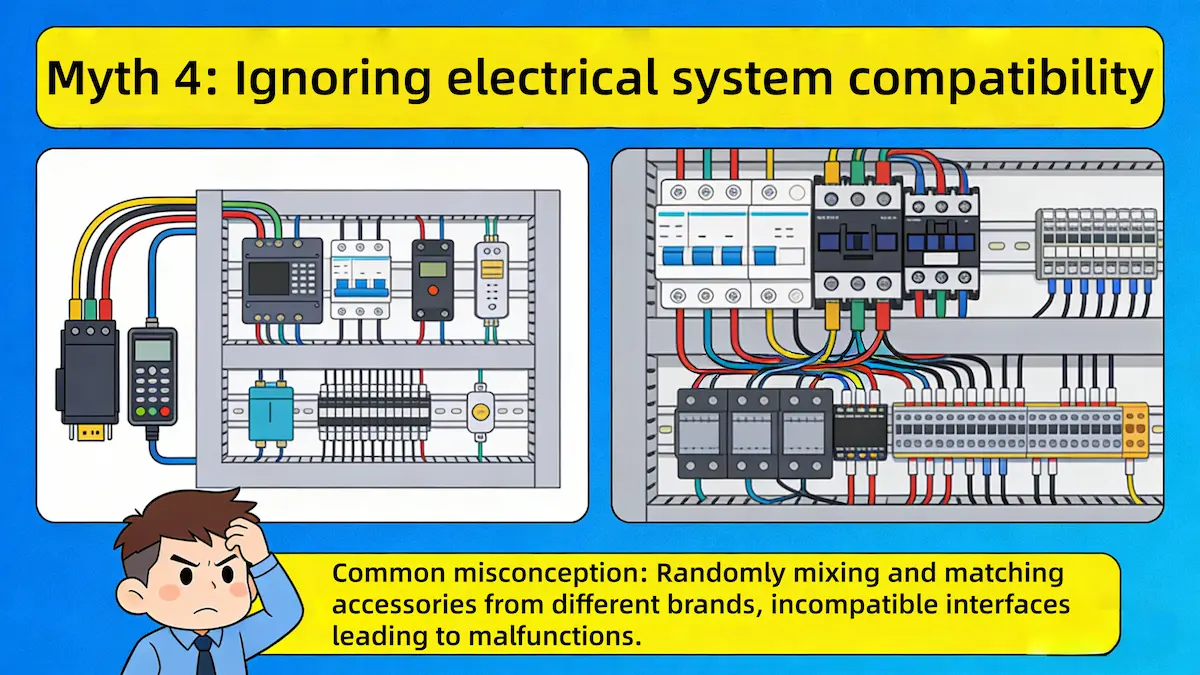
Mistake 4: Ignoring Electrical System Compatibility
●Current Situation: When replacing inverters, controllers, or limit switches, buyers check only power or voltage levels. Control logic and communication protocols are often ignored.
●Reality: Different electrical brands use different control programs and signal interfaces. Protection mechanisms also vary. Poor compatibility may cause malfunction, frequent alarms, or protection failure.
●Recommended Solution: Provide complete electrical system parameters and control diagrams before procurement. Ensure compatibility with the existing system. Commissioning verification may be required when necessary.
Mistake 5: Not Verifying Supplier Qualifications
●Current Situation: Suppliers are often chosen quickly through online platforms or price comparison. Their production capacity and quality management systems are rarely verified.
●Reality: Suppliers without standardized testing and traceability systems cannot guarantee product consistency. Batch quality problems may occur. Such problems directly affect production schedules.
●Recommended Solution: Choose suppliers with certified quality management systems. Ensure they provide testing reports and proven industry project experience. This ensures a stable and reliable supply chain.
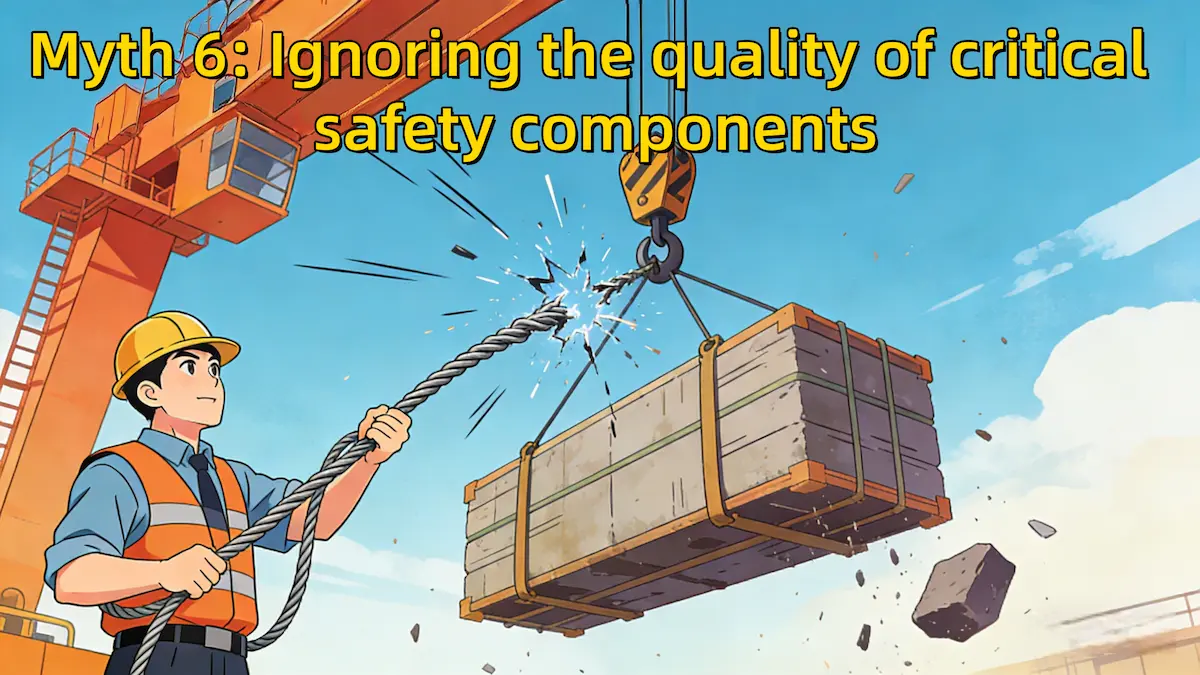
Mistake 6: Ignoring the Quality of Critical Safety Components
●Current Situation: Companies often reduce budgets for critical safety components. These include brakes, wire ropes, and limit switches. This is done to lower overall procurement costs.
●Reality: Safety components directly affect braking performance and protection functions. Failure may cause major safety accidents. The risk is far higher than ordinary spare parts.
●Recommended Solution: Set higher procurement standards for safety-critical components. Choose products tested for safety and certified for quality. This ensures safe crane operation.
Mistake 7: No Long-Term Spare Parts Planning
●Current Situation: Companies arrange procurement only after equipment failures occur. A systematic spare parts inventory plan is usually missing.
●Reality: Reactive purchasing often faces uncertain delivery times. Logistics delays may also occur. This extends downtime and affects production efficiency and customer delivery.
●Recommended Solution: Develop annual spare parts plans based on operating data. Consider wear part replacement cycles. Maintain reasonable stock of key components. This improves emergency response capability.
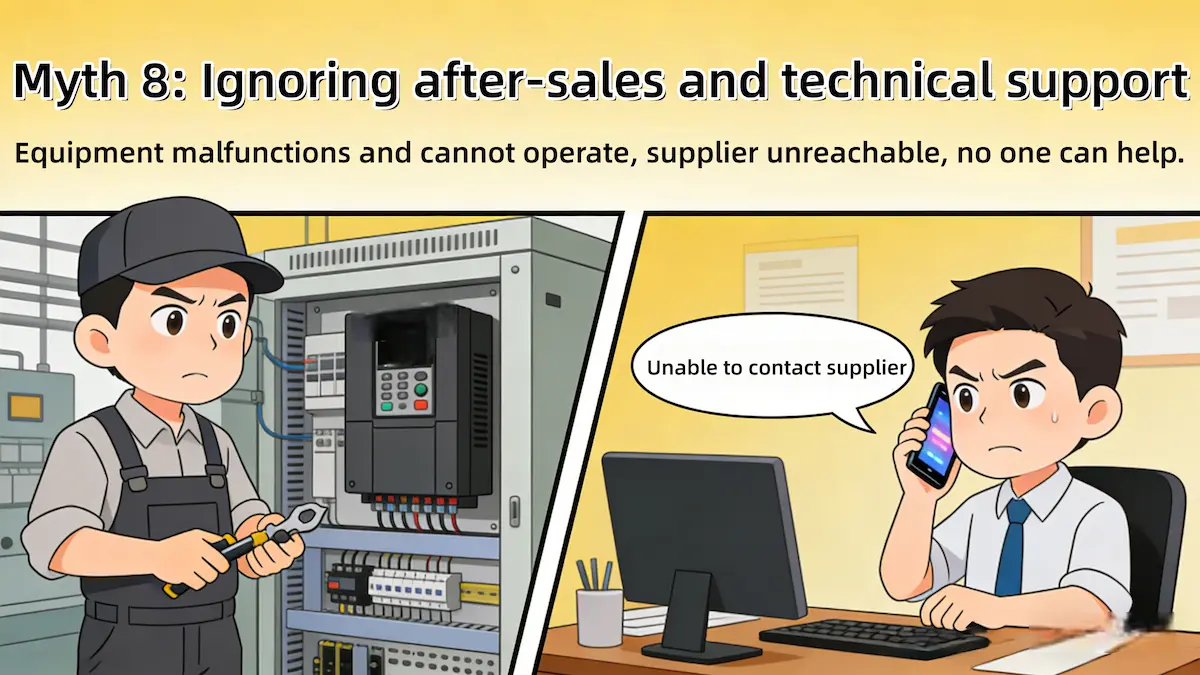
Mistake 8: Ignoring After-Sales Service and Technical Support
●Current Situation: Buyers focus only on the product itself. They ignore whether the supplier provides installation guidance or technical consulting.
●Reality: Lack of technical support increases commissioning risks on site. Problems become harder to diagnose quickly. This delays maintenance progress.
●Recommended Solution: Choose suppliers with professional technical teams. Ensure they provide fast response support. This guarantees assistance during installation and operation stages.
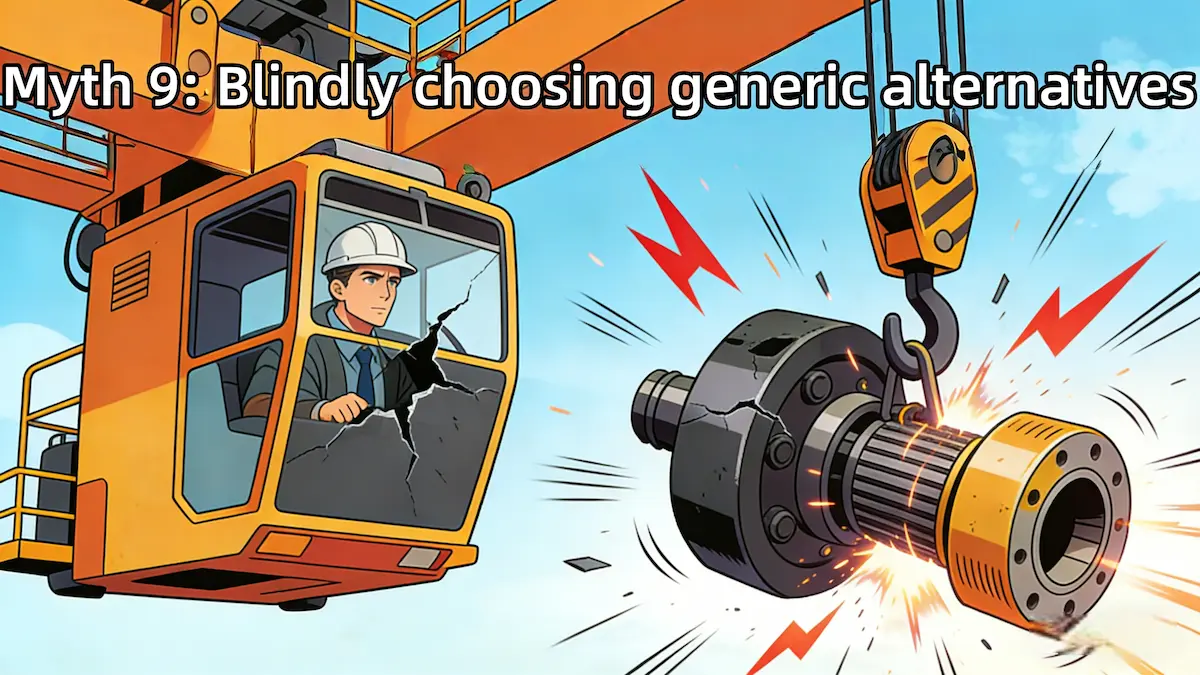
Mistake 9: Blindly Choosing Generic Replacement Parts
●Current Situation: Buyers assume generic replacement parts are cheaper. They also believe delivery time is faster. Therefore, they directly replace original manufacturer parts.
●Reality: Different crane brands vary in structural dimensions and material standards. Control systems also differ. Poorly matched replacement parts may cause unstable operation or faster component wear.
●Recommended Solution: Conduct technical evaluation before selecting replacement parts. Perform verification testing when necessary. Ensure performance parameters match the original equipment.
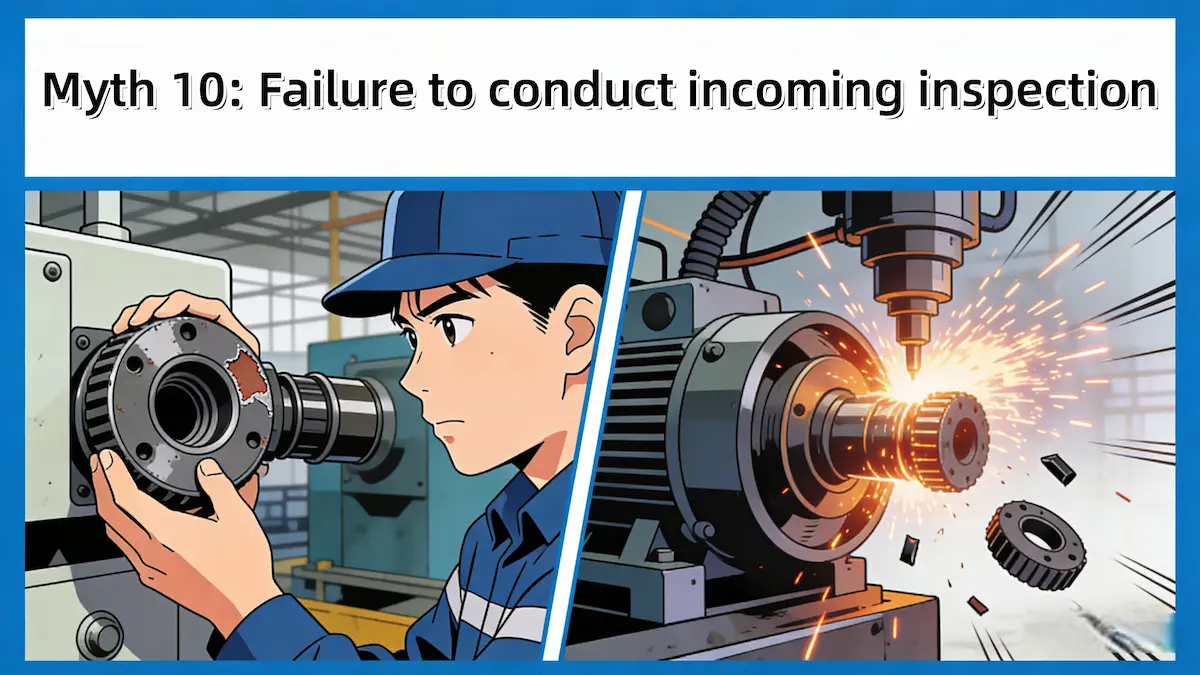
Mistake 10: No Incoming Inspection
●Current Situation: Spare parts are stored or installed immediately after delivery. Standardized inspection procedures are often missing.
●Reality: Transportation may cause collisions or damage. Without visual, dimensional, and performance checks, hidden risks may remain during operation.
●Recommended Solution: Establish a standardized incoming inspection system. Conduct sampling checks and record results for key components. This ensures full quality traceability.
Crane Spare Parts Procurement Risk Control Self-Inspection Checklist
|
Audit Dimension |
Key Verification Item |
Self-Inspection Key Points |
|
Specification Matching |
Equipment Serial Number Traceability |
Verify the original crane factory serial number. Ensure the correct original drawing archive is referenced. |
|
Specification Matching |
Critical Dimension Measurement |
Manually re-measure shaft diameter, hole spacing, module, and other key dimensions. |
|
Specification Matching |
Operating Condition Matching |
Confirm duty class (A3–A8), ambient temperature, and dust or explosion protection requirements. |
|
Quality and Safety |
Material and Inspection Reports |
Confirm load-bearing parts have material certificates and non-destructive testing reports. |
|
Quality and Safety |
Safety Component Certification |
Verify brakes and limit switches have special equipment type test certificates. |
|
Quality and Safety |
Process Standard Verification |
Confirm heat treatment and wear resistance of gears and shafts meet required standards. |
|
Electrical Compatibility |
Power System Parameters |
Verify motor and control voltage, frequency, and insulation class (F/H class). |
|
Electrical Compatibility |
Communication and Logic Compatibility |
Confirm inverter protocol and software version support the original system. |
|
Electrical Compatibility |
Interface Consistency |
Verify plug types and terminal definitions match the original wiring diagrams. |
|
Supply Assurance |
Delivery Schedule Evaluation |
Confirm production and logistics cycles match the equipment shutdown window. |
|
Supply Assurance |
Technical Support Capability |
Confirm the supplier provides installation manuals, wiring diagrams, or on-site commissioning services. |
|
Supply Assurance |
After-Sales Warranty Commitment |
Confirm warranty period and whether response time is within 24 hours. |
Download:Crane Spare Parts Pre-Purchase Checklist
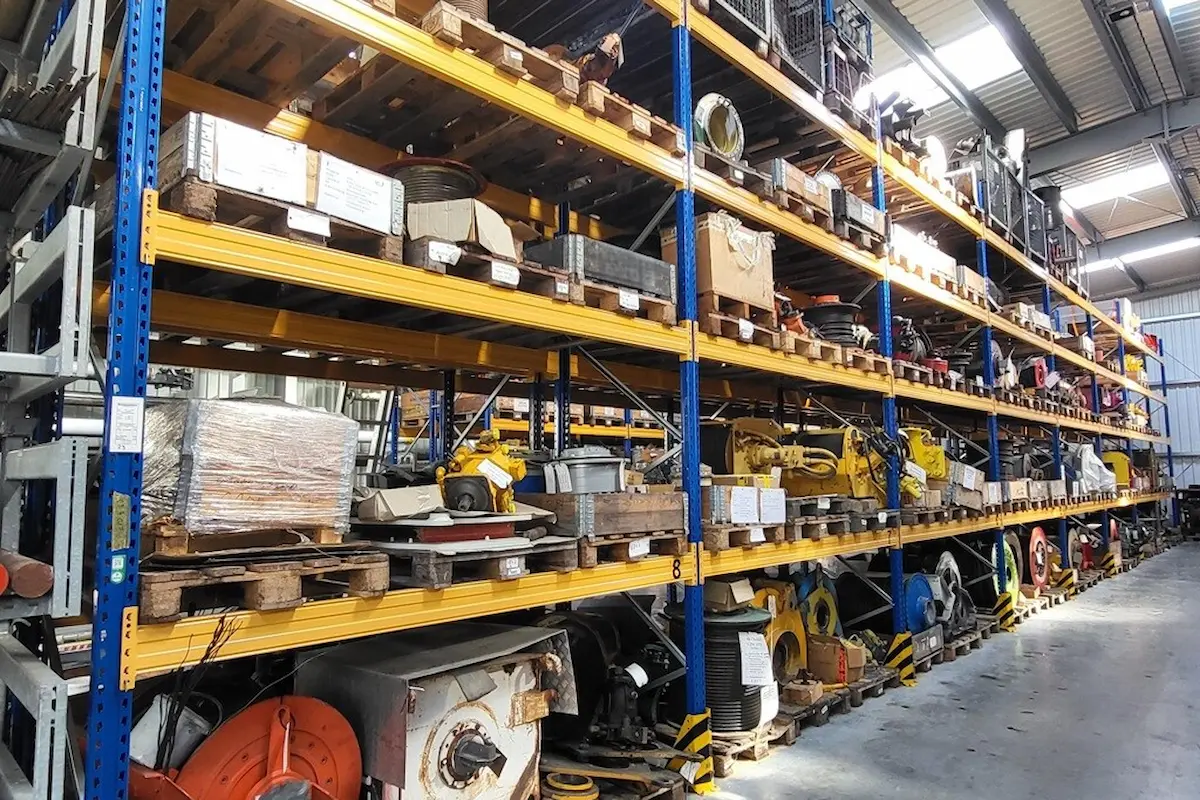
Why Choosing a Professional Crane Spare Parts Supplier Is Critical
In the crane industry, spare parts procurement is not only a supply chain task. It is also part of the equipment lifecycle. Choosing a professional supplier like HSCRANE provides value in three key dimensions.
Reducing Downtime Risks
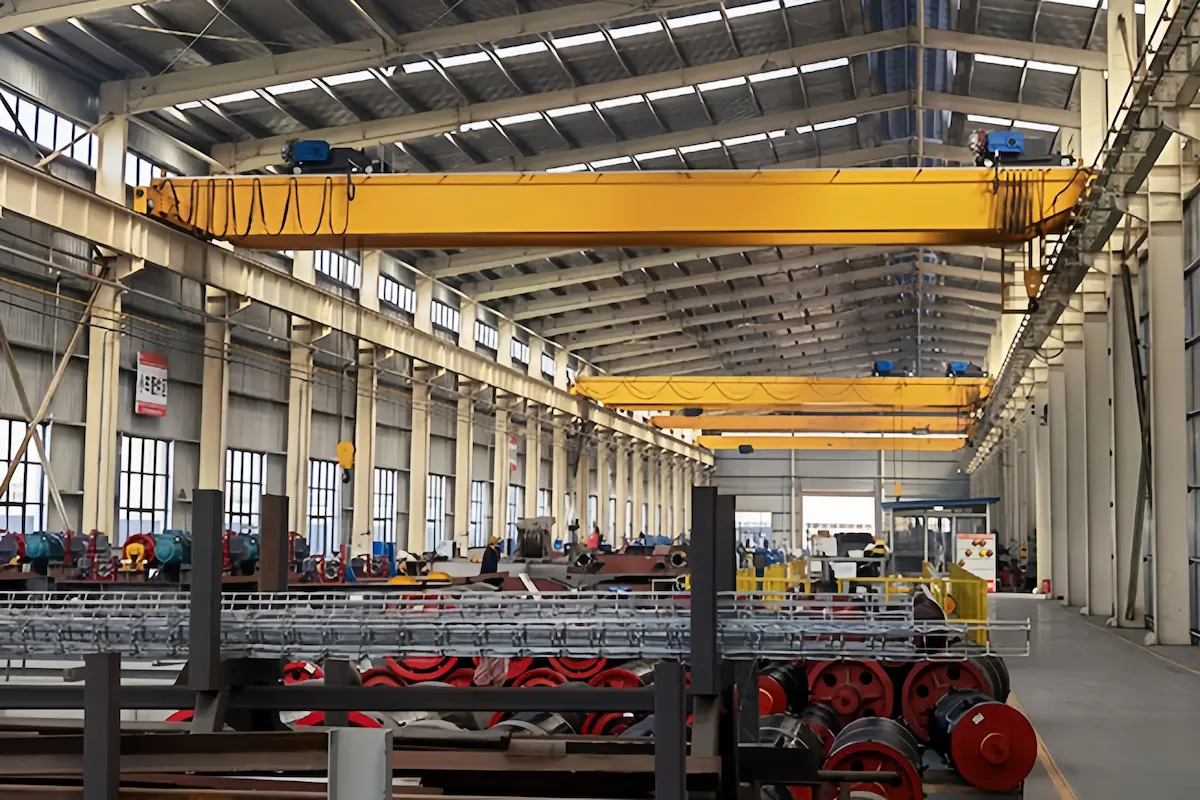
●Precise Matching for Immediate Use: Professional suppliers maintain complete crane technical drawings and archives. This ensures parts match mechanical dimensions, electrical logic, and load capacity. It prevents rework caused by specification errors.
●Emergency Spare Parts Support: Professional suppliers maintain scientific inventories of common wear parts. These include brake linings, pulleys, and contactors. Rapid delivery helps minimize downtime losses.
●Preventive Maintenance Solutions: High-quality sensors and monitoring components support predictive maintenance. They provide early warnings before failures occur. This significantly extends equipment uptime.
Improving Equipment Safety
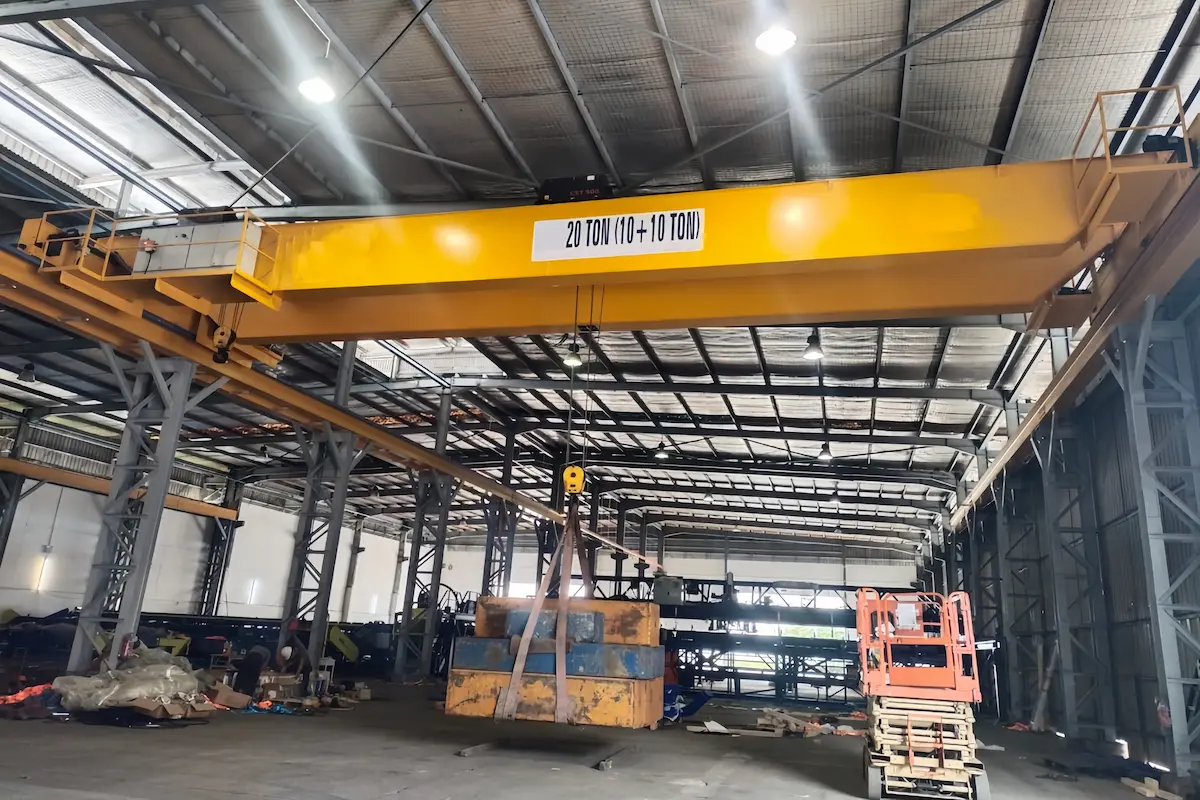
●Compliance and Certification: Cranes are classified as special equipment. Professional suppliers provide complete material reports and inspection certificates. Safety components also include official testing reports.
●Material and Process Assurance: Professional spare parts undergo strict testing. They provide strong fatigue resistance, wear resistance, and environmental adaptability. This helps prevent serious accidents such as rope breakage or load drop.
●Professional Installation Guidance: Professional suppliers provide both products and technical solutions. Proper installation guidance ensures components operate in optimal conditions. This prevents safety risks caused by incorrect installation.
Controlling Lifecycle Costs
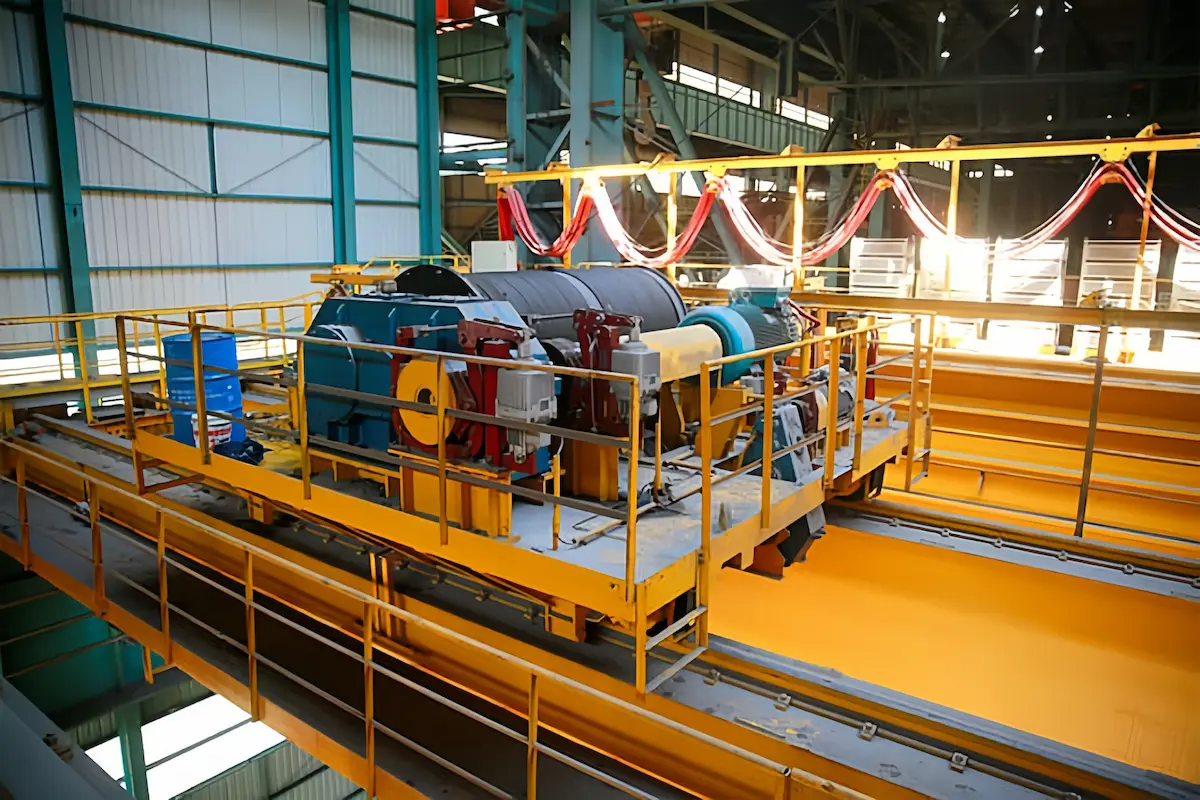
●Lower Total Maintenance Costs: Professional spare parts may have slightly higher initial prices. However, their service life is often two to three times longer. This reduces replacement frequency, labor costs, and downtime losses.
●Protecting Equipment Assets: Low-quality generic parts may accelerate wear of related components. Professional spare parts keep the crane system balanced. This extends the overall equipment lifecycle.
●Energy Efficiency and Performance Optimization: Advanced professional components improve energy efficiency. Variable frequency control components can reduce daily operating energy consumption. This increases lifecycle return on investment.
HSCRANE Crane Parts Advantages
HSCRANE offers comprehensive advantages in crane spare parts supply.
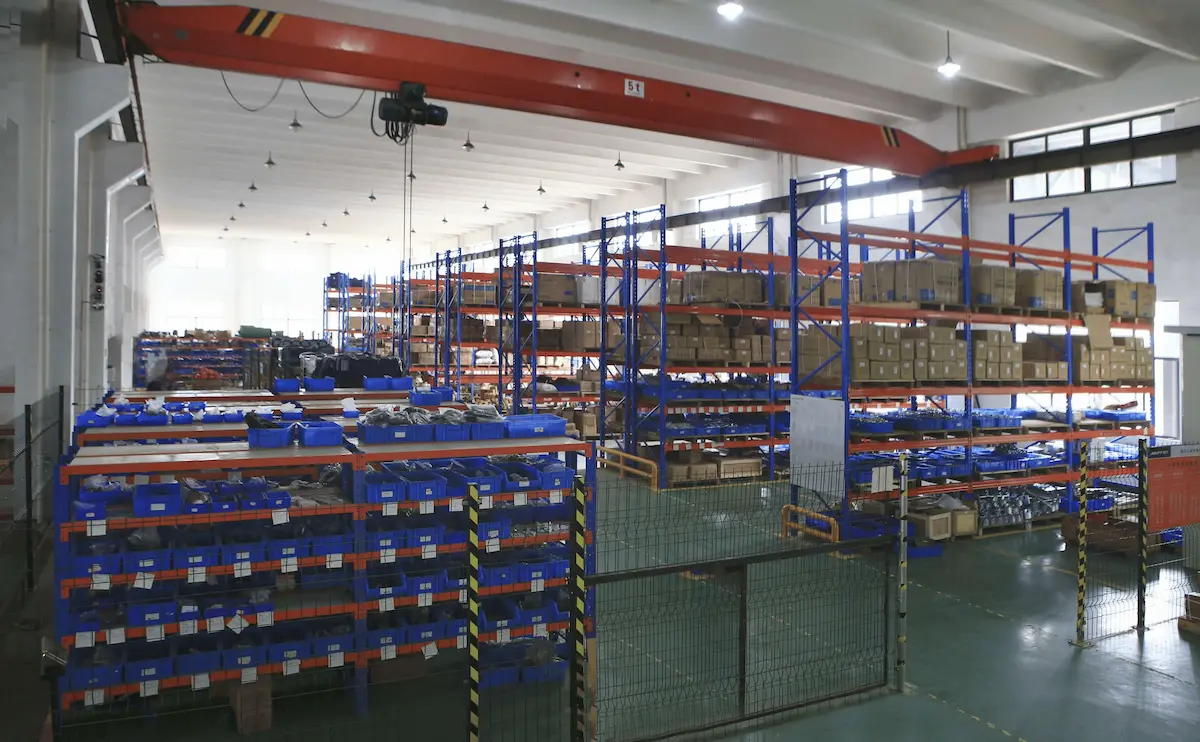
●Full-range parts supply capability: HSCRANE supplies complete parts for overhead cranes, gantry cranes, and mobile boat hoists. The range includes mechanical transmission parts, electrical control systems, and structural components. A complete product system supports different working conditions and equipment brands. It enables efficient one-stop procurement.
●Strict quality control: Every critical safety component (e.g., brakes, hoists) undergoes 100% NDT (Non-Destructive Testing) and load testing before dispatch.
●OEM and customization capability: HSCRANE supports drawing-based manufacturing and non-standard customization. This meets special working conditions and project requirements. Technical optimization and upgrade solutions are available for overseas projects or equipment retrofits.
●Fast delivery and inventory support: Common wear parts maintain stable stock levels. This shortens delivery cycles and improves response speed. A mature supply chain ensures reliable domestic and international delivery.
●Professional technical support: Expert teams provide model confirmation and selection guidance. Installation guidance is also available. A complete after-sales support system helps customers solve technical problems quickly.
Typical Case of HSCRANE Crane Parts
Case Overview
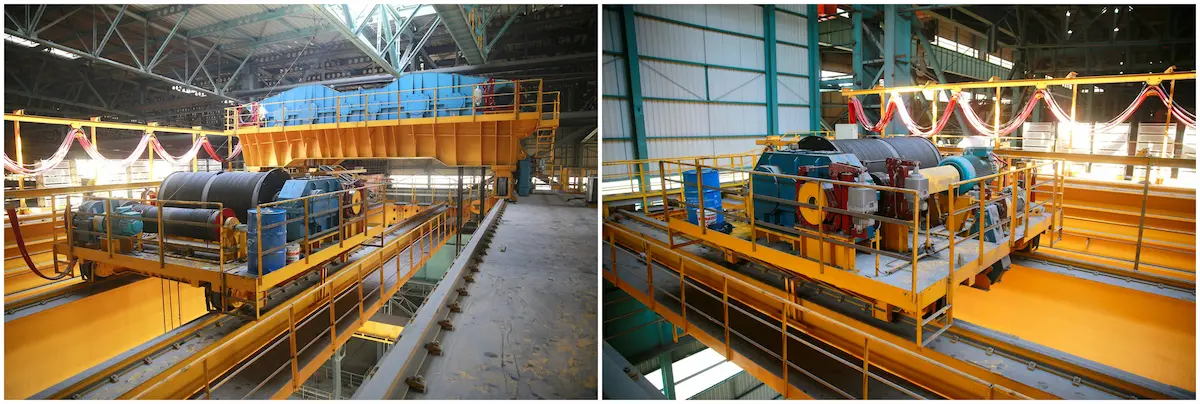
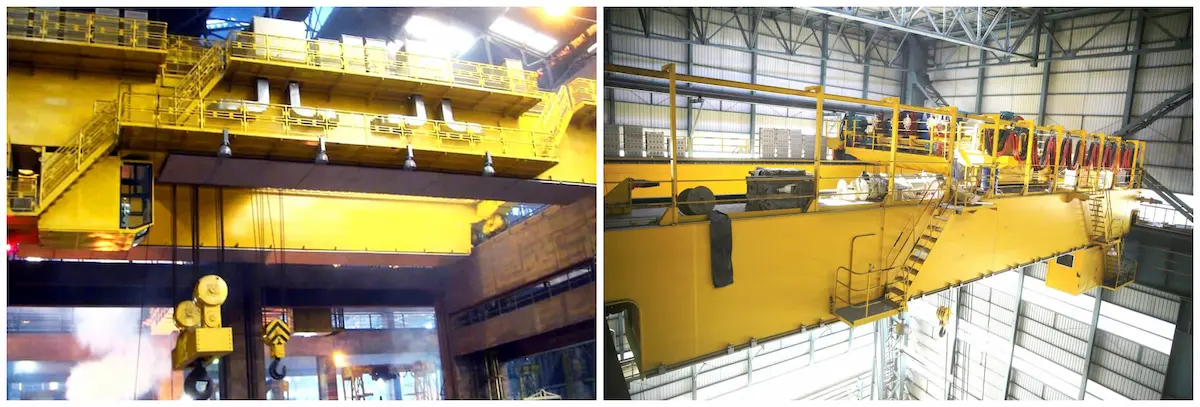
A large steel enterprise in Haiphong, Vietnam operated a 280-ton casting overhead crane. The equipment worked in extremely harsh conditions. Continuous high temperature and dense metal dust caused problems. The main hoist gearbox frequently leaked oil and showed abnormal gear wear. The customer once purchased low-cost universal seals and gears locally. The crane stopped again within three months after replacement. The shutdown halted the entire production line. The daily loss reached about 50,000 USD.
Solution
●Deep measurement and analysis: The HSCRANE technical team reviewed the equipment history by video inspection and serial number tracing. They discovered insufficient hardness depth in the low-cost gears. The seal material also lacked high-temperature resistance.
●Customized upgrade: HSCRANE designed a gearbox assembly for high-temperature conditions. High-strength alloy steel with deep carburizing and quenching was used. The sealing system was upgraded to fluororubber oil seals. These seals resist temperatures up to 250 °C.
●Preventive maintenance: HSCRANE provided a dedicated installation and commissioning guide. The team also helped the customer establish a lubrication replacement standard for high-temperature environments.
●Results: After implementation, the crane operated continuously for more than 18 months without failure. The maintenance interval became six times longer than before. This significantly protected the customer’s equipment assets. Downtime reduced by 85%, Maintenance cost saved: $150,000/year.
Crane spare parts procurement affects more than purchase price. It directly influences equipment safety and operational efficiency. Ignoring selection, quality, and supplier qualification may cause frequent failures. It may also lead to downtime delays and additional maintenance costs. A scientific procurement process is essential. Working condition matching must be accurate. Spare parts planning should also be reasonable. Choosing professional suppliers can significantly reduce downtime risks. It can also improve equipment safety and control lifecycle costs.
Facing similar overheating issues with your crane parts?
[Talk to our metallurgical crane engineer].
Further Reading
Choosing a reliable supplier is equally important when purchasing cranes or key parts. Manufacturing capability, quality systems, after-sales service, and industry experience matter. These factors directly influence long-term equipment stability.
If you are evaluating new partners, review our guide:
How to Choose a Reliable Crane Parts Supplier in China
FAQ
Q1: How can I confirm crane parts match my equipment?
A1: Provide the equipment model, working conditions, load class, or drawings. A technical team will verify compatibility.
Q2: What crane parts does HSCRANE supply?
A2: HSCRANE supplies parts for overhead cranes, gantry cranes, and mobile boat hoists. This includes transmission parts, wire ropes, brakes, electrical systems, and structural components. Custom parts are also supported.
Q3: How does HSCRANE ensure parts quality and safety?
A3: All parts undergo material inspection, process control, and factory testing. Critical safety parts receive additional performance tests.
Q4: How long is the delivery time after ordering?
A4: Common wear parts ship quickly from stock. Custom or special models require production scheduling.
Q5: Does HSCRANE provide technical support?
A5: Yes. HSCRANE offers model confirmation, selection advice, installation guidance, and troubleshooting support.
Q6: Can HSCRANE support bulk orders and international shipping?
A6: Yes. HSCRANE supports bulk orders, export packaging, and international logistics services.
This document is for reference only. Specific operations must strictly comply with local laws and regulations and equipment manuals.