

Abstract
This article explains how to select durable and reliable crane grabs for highly corrosive waste handling environments. Waste incineration plants, transfer stations, and industrial waste facilities often have high humidity. Corrosive gases and abrasive materials are also common. These conditions accelerate equipment aging. They also shorten the service life of crane grabs. The article analyzes key factors in grab selection. These include corrosion-resistant materials, protective coatings, and optimized structural design. It also explains suitable applications for different grab types. The article provides selection recommendations for various waste handling conditions. It also introduces HSCRANE product advantages for waste handling grabs. These include high-strength wear-resistant materials. Heavy anti-corrosion design and stable hydraulic systems are included. Customized solutions are also available. Proper selection and scientific maintenance improve efficiency. They also extend grab service life in harsh environments.
Waste treatment plants usually operate in harsh conditions. High humidity and corrosive gases are common. Complex waste materials also create difficult working environments. These factors cause continuous corrosion and wear on crane grabs. They affect equipment stability and service life. Waste often contains leachate. Acidic or alkaline substances are also present. Metal impurities may also appear. These conditions increase requirements for grab structure and key components. Therefore selecting corrosion-resistant and wear-resistant crane grabs is essential. Reliable structural design is also important. This ensures operational efficiency. It reduces maintenance costs and extends equipment lifespan. 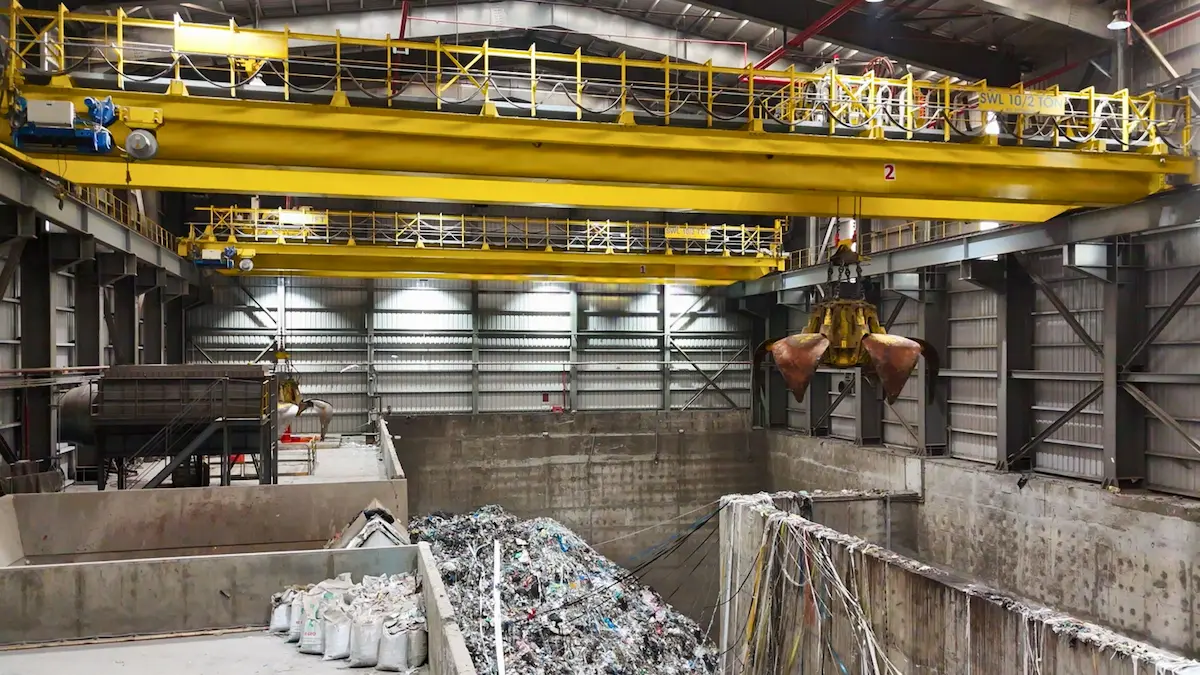
Main Characteristics of Highly Corrosive Waste Treatment Environments
Waste treatment environments are usually complex. They often have strong corrosion and abrasion risks. These conditions require higher structural strength for crane grabs. Strong anti-corrosion performance is also required. Wear resistance becomes critical. Understanding these conditions helps engineers make better equipment selection decisions.
Chemical Corrosion
During waste accumulation and decomposition. Many corrosive substances are generated. These substances continuously attack metal structures of crane grabs.
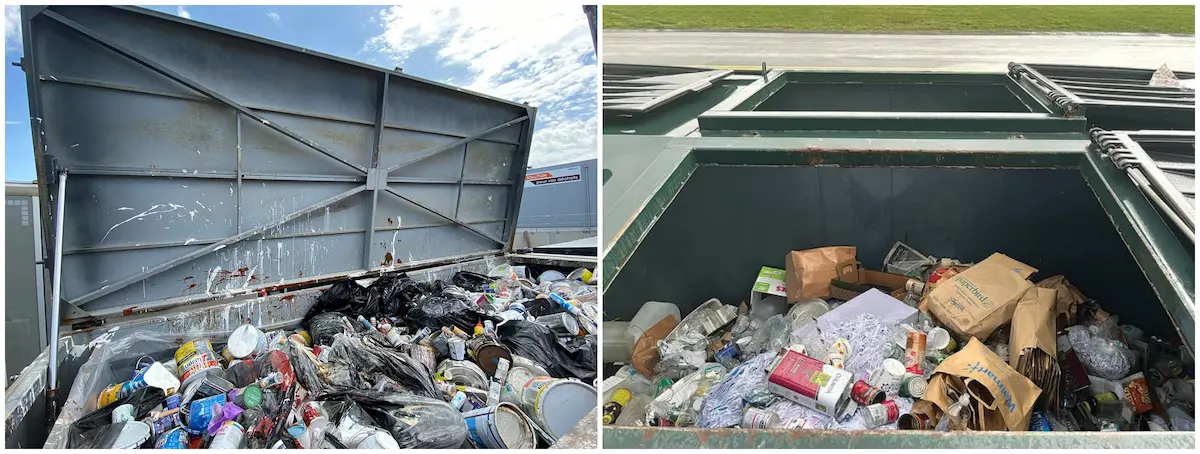
●Waste leachate: Large amounts of leachate form during waste storage and compression. These liquids contain organic acids. Salts and chemical compounds are also present. They usually have strong corrosive properties. If leachate remains on grab surfaces. Corrosion may accelerate. It may also enter structural gaps. This can cause oxidation, rust, and structural damage.
●Acidic and alkaline gases: Waste decomposition releases corrosive gases. Common examples include hydrogen sulfide and ammonia. These gases create corrosive environments on equipment surfaces. Long-term exposure weakens metal structures. It also affects reliability of critical connections.
High Humidity and Constant Moisture Environment
Waste treatment workshops often operate in enclosed environments. Air humidity is usually high. Large amounts of water vapor are present.
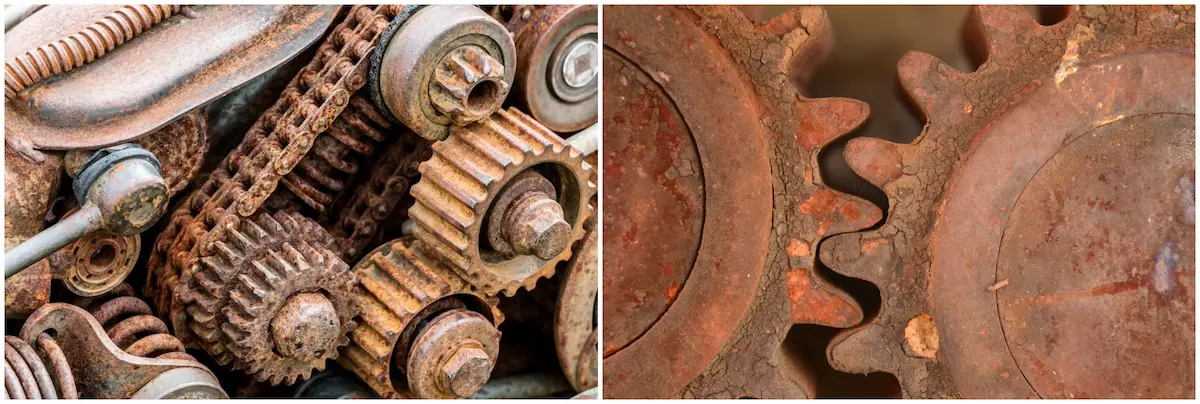
●Accelerated metal corrosion: High humidity accelerates oxidation of steel materials. Protective coatings on grab surfaces become easier to damage. This shortens the overall equipment service life.
●Impact on mechanical component lifespan: Continuous moisture affects bearings. Pins and hydraulic systems may also suffer. These effects increase failure rates. They also increase maintenance costs.
High Wear and Heavy-Duty Operation
Waste handling requires frequent grabbing. Mixing and transporting large volumes of materials. These operations demand strong wear resistance from crane grabs.
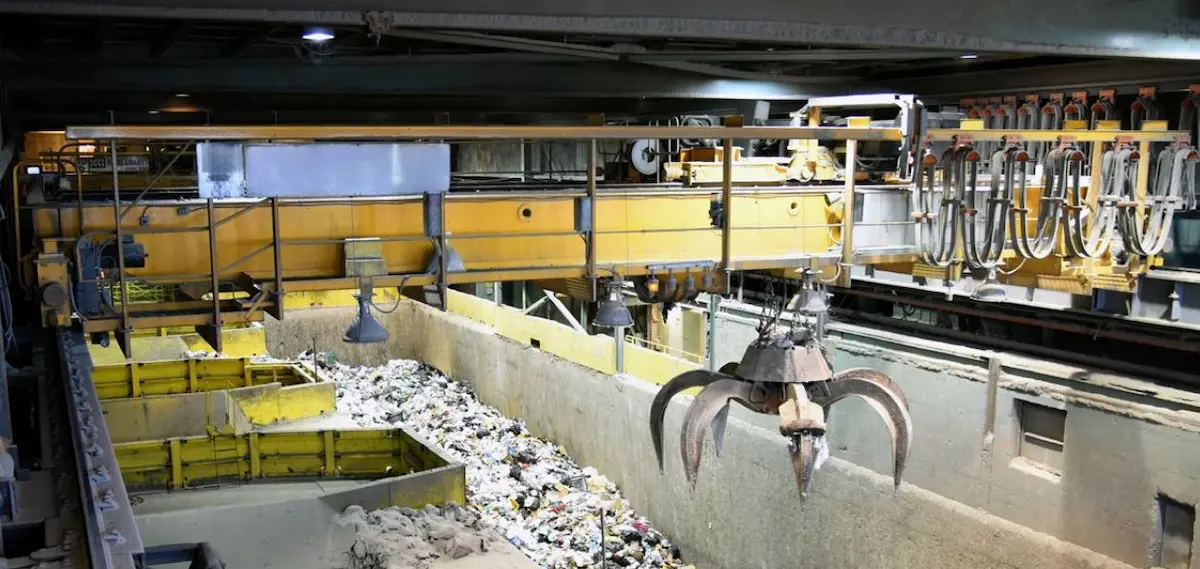
●Presence of metal and glass in waste: Municipal and industrial waste often contain hard materials. These include metals, glass, and construction debris. These materials can cause impact and friction during grabbing operations.
●Wear on grab structure and cutting edges: Long-term high-frequency operations cause wear on grab shells. Cutting edges and connection components also wear. If material strength is insufficient. Grab efficiency and service life may decrease.
5 Key Factors When Buying a Waste Handling Crane Grab
In highly corrosive environments such as waste treatment. Crane grab selection must consider materials. Corrosion protection technology, structural design, and maintenance convenience are also important. A well-designed grab improves durability. It also reduces long-term maintenance costs. The following key factors should be considered when selecting corrosion-resistant crane grabs:
|
Key Factor |
Key Points |
Function and Advantages |
| Material Selection | High-strength corrosion-resistant steel | Improves structural strength and corrosion resistance. Suitable for long-term harsh environments |
| Stainless steel key components | Stainless steel connections reduce rust problems. They improve equipment reliability | |
| Wear-resistant steel plates | Improve wear resistance of grab shells and cutting edges. Extend service life | |
| Surface Anti-Corrosion Treatment | Heavy anti-corrosion coating | Forms a protective layer against corrosive gases and liquids |
| Epoxy coating | Provides strong chemical corrosion resistance. Suitable for waste handling environments | |
| Hot-dip galvanizing | Provides long-term rust protection. Suitable for high-humidity environments | |
| Grab Structural Design | Sealed bearing design | Prevents corrosive liquids and debris from entering bearings. Improves stability |
| Anti-corrosion connection structure | Uses corrosion-resistant bolts and sealing structures. Protects connection points | |
| Reinforced grab shell | Strengthens structural durability for frequent grabbing operations | |
| Grab Type Selection | Multi-petal grab | Suitable for loose waste. Improves grabbing efficiency |
| Two-shell grab | Simple structure and easy maintenance. Suitable for some waste handling tasks | |
| Hydraulic grab | Provides precise control and high operating efficiency | |
| Mechanical grab | Simple structure and lower maintenance cost | |
| Maintenance and Replaceable Component Design | Replaceable cutting edges | Cutting edges can be replaced quickly after wear. Reduces maintenance cost |
| Modular structure | Easy disassembly and repair. Improves maintenance efficiency | |
| Easy maintenance design | Simplifies daily inspection and servicing. Reduces downtime |
Note: These parameters can be customized for specific conditions. For example high salt spray environments or extremely high temperatures.
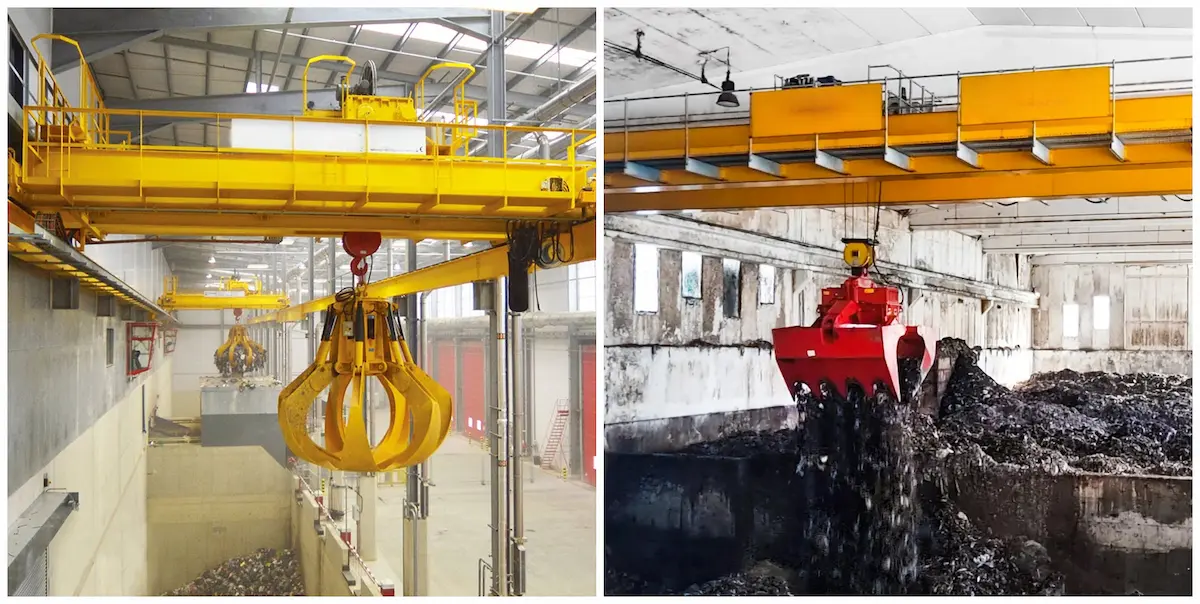
Grab Selection Recommendations for Different Waste Handling Scenarios
Different waste treatment facilities have different material characteristics. Operational intensity and equipment requirements also vary. Therefore crane grab configuration must match the specific application. This ensures good grabbing efficiency. It also ensures durability and operational stability.
Municipal Waste Incineration Plants
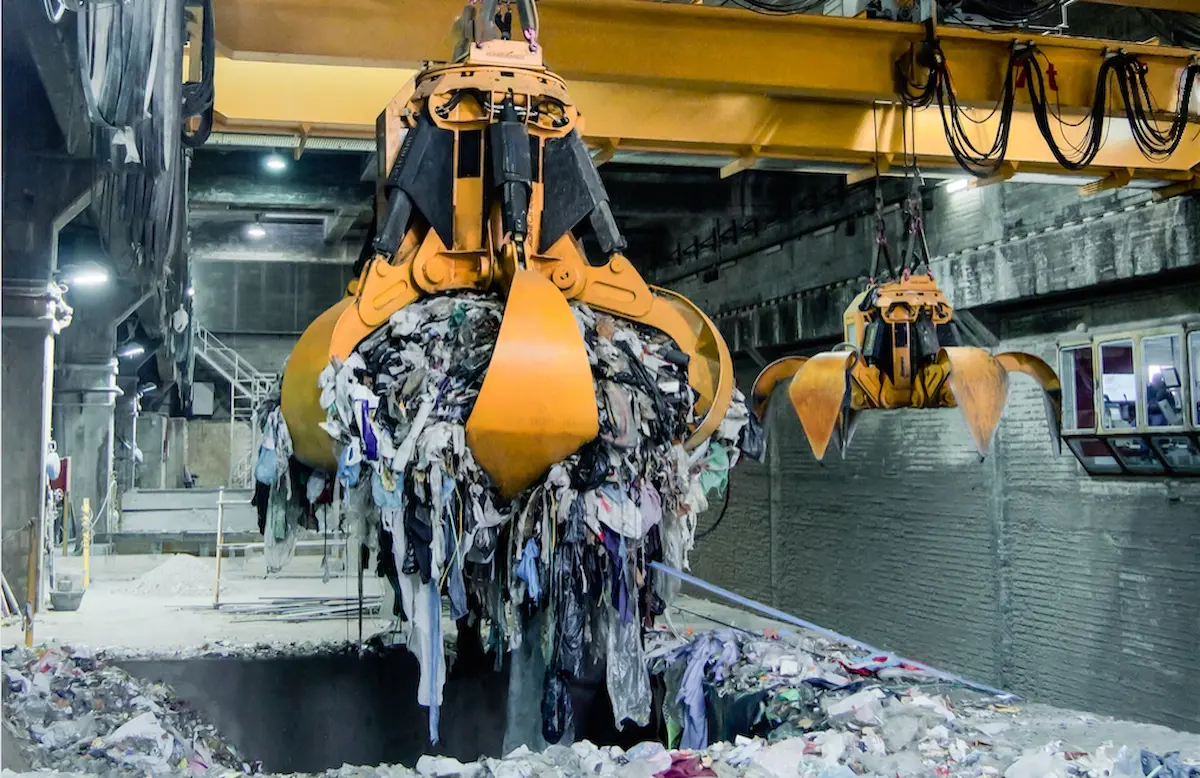
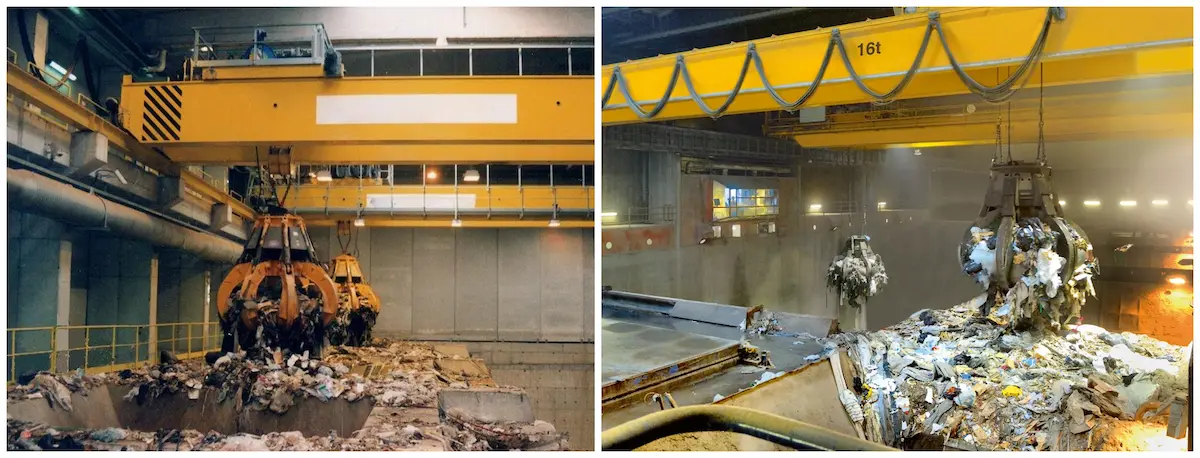
Municipal waste incineration plants handle large volumes of loose mixed waste. The waste usually has irregular shapes. Continuous grabbing and feeding operations are required. These environments require high grab flexibility. Strong grabbing capacity is also necessary.
Advantages of multi-petal grabs:
●Large grabbing range effectively encloses loose waste
●Adapts to irregular materials and improves grabbing efficiency
●Suitable for high-frequency continuous operation environments
●Reduces waste dropping and improves operational stability
Therefore multi-petal hydraulic grabs are usually ideal choices for waste-to-energy plants.
Waste Transfer Stations
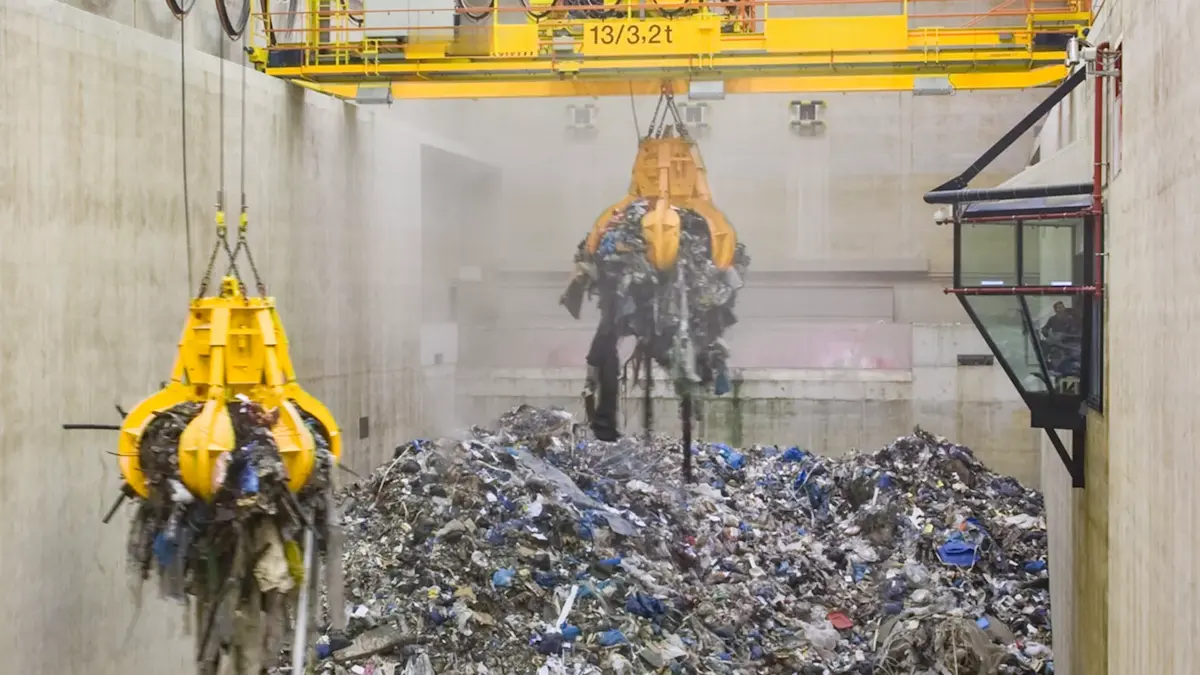
Waste transfer stations collect urban waste. They compress and load waste for transportation. This scenario requires fast grabbing speed. High operational efficiency is essential due to frequent loading tasks.
High-efficiency grab design:
●Select grab models with larger grabbing capacity
●Optimize opening and closing speed to improve loading efficiency
●Use corrosion-resistant materials for humid waste environments
●Adopt simple structural design for easier maintenance
Proper grab capacity and opening speed improve waste transfer efficiency.
Industrial Waste Treatment
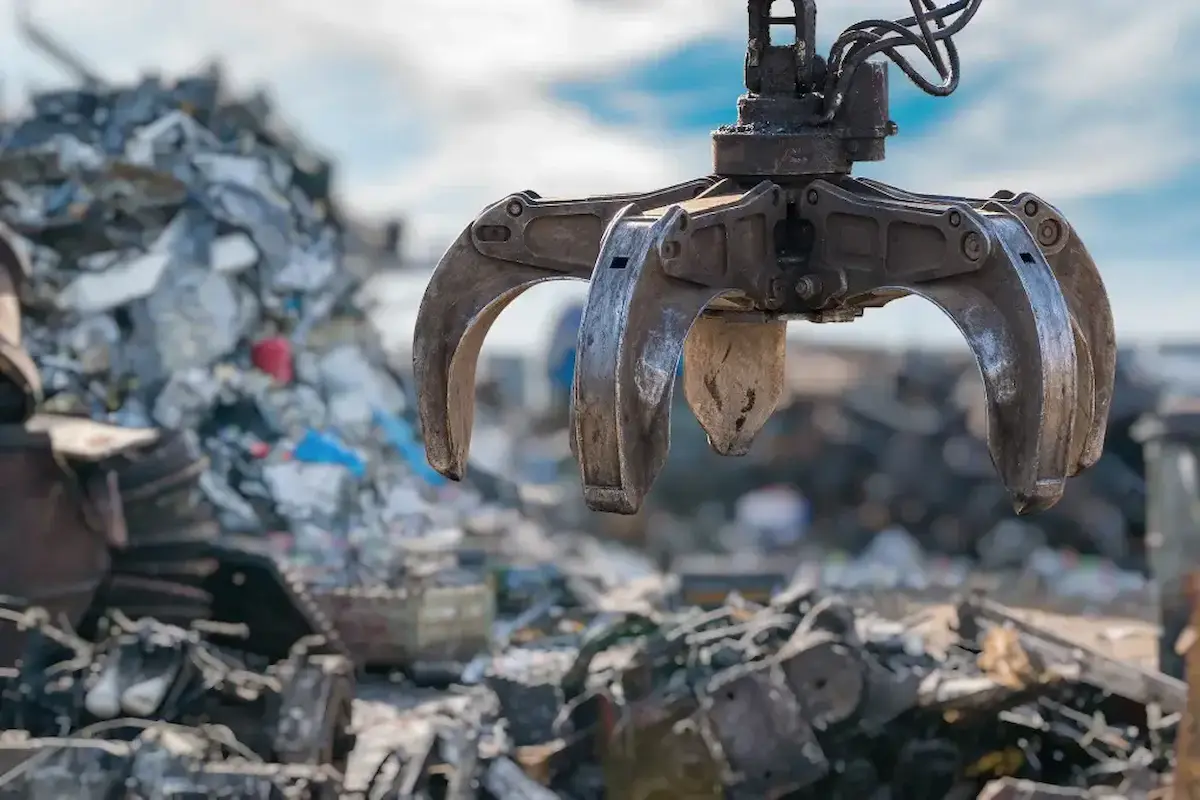
Industrial waste treatment facilities often handle dense waste. Some materials are hard or abrasive. These include metal fragments. Construction debris and industrial residues. These materials require stronger grab structures. Higher wear resistance is also necessary.
High-strength structural grabs:
●Cutting edges and shells use Hardox 400/450 or Q690/Q960 wear-resistant steel
●Reinforced cutting edges and structural connection areas improve durability
●Improves impact resistance and wear resistance
●Suitable for heavy or hard industrial waste materials
Selecting the proper grab type and structure for each application improves efficiency. It also extends equipment service life in waste handling operations.
Advantages of HSCRANE Waste Handling Crane Grabs
In highly corrosive, humid, and abrasive waste environments. Equipment durability and stability are critical. HSCRANE optimizes grab structures and material configurations. These solutions provide reliable and efficient grabbing performance.
●High corrosion-resistant structural design: HSCRANE grabs use high-strength wear-resistant steel plates. Multi-layer heavy anti-corrosion coatings are applied. This protects against acidic gases and leachate corrosion. It also extends equipment service life.
●Heavy-duty wear-resistant materials: Key load-bearing areas use high wear-resistant steel plates. Reinforced cutting edge structures improve durability. This reduces structural wear during long-term operations.
●Highly reliable hydraulic system: HSCRANE hydraulic grabs use enclosed hydraulic cylinders. Armored hoses protect the hydraulic lines. This prevents damage from hard waste materials.
●Customized solutions: Waste plants have different operating conditions. These include waste types. Grabbing frequency and crane configurations. HSCRANE provides customized grab designs. This ensures optimal performance in real applications.
●Global application experience: HSCRANE grabs are widely used in waste-to-energy plants. Transfer stations and industrial waste facilities. Mature design and stable performance meet strict industry standards.
●Zero-leak environmental design: Oil leakage in waste pits may create fire risks. It can also affect incinerator efficiency. HSCRANE uses aerospace-grade labyrinth sealing. Integrated valve block design prevents hydraulic oil leakage. This helps meet strict environmental regulations.
Life Cycle Maintenance of Crane Grabs
In highly corrosive waste environments. Grabs frequently contact leachate. Corrosive gases and abrasive materials are also present. A standardized maintenance system prevents unexpected downtime. It also improves long-term asset value.
Four Core Recommendations to Extend Grab Service Life
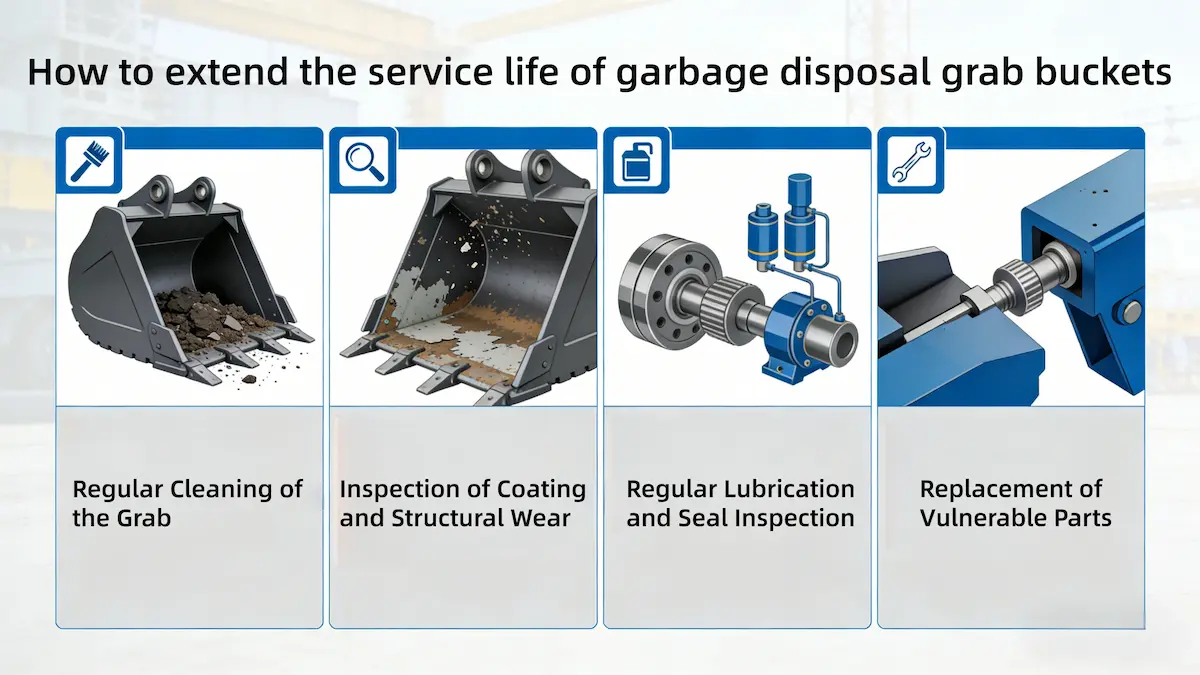
Crane grabs in waste plants face constant humidity. Corrosive gases and mixed materials are also common. Without proper maintenance. Corrosion, wear, and failures may occur. A systematic maintenance program is essential. This ensures stable operation and longer service life.
●Regular cleaning: Waste residues and leachate easily adhere to grab surfaces. Regular cleaning reduces corrosion risks. It also ensures proper movement of mechanical components.
●Inspect coatings and structural wear: Inspect anti-corrosion coatings regularly. Check for peeling, cracks, or heavy wear. Structural components and cutting edges should also be inspected. Repair coatings and replace worn parts promptly.
●Regular lubrication and sealing inspection: Bearings, pins, and hydraulic systems require proper lubrication. Regular lubrication reduces component wear. Seal inspections prevent leachate or debris entering the structure.
●Replacement of wear parts: Cutting edges, pins, and liners wear during long-term heavy operations. Establish a wear part replacement schedule. Replace components before severe damage occurs. This maintains grabbing efficiency and protects the structure.
●Cable drum coordination: Electric hydraulic grabs require cable management. Regularly check the cable drum tension. This prevents cable damage during operation.
Project Benefit Analysis: Standard Grab vs HSCRANE Professional Grab
In waste handling industries. Initial purchase cost accounts for only 20% of life cycle cost. The remaining 80% depends on maintenance frequency and downtime losses. The following comparison shows typical operational performance:
|
Evaluation Dimension |
Standard Grab |
HSCRANE Corrosion-Resistant Grab |
Long-Term Operational Benefit |
| First Major Overhaul Time | 6–8 months. Coating failure and rusted pins common | More than 24 months | Maintenance frequency reduced by 70%. Labor cost greatly reduced |
| Wear Part Service Life | Cutting edges replaced after about 1 year | 2. 5–4 years | Spare parts and logistics cost reduced by about 50% |
| Hydraulic System Failure Rate | Relatively high. Seals damaged by corrosive substances | Extremely low. Integrated valve block and labyrinth seals | Prevent oil contamination. Reduce environmental compliance risks |
| Annual Unplanned Downtime | About 150–200 hours | Less than 20 hours | Ensures continuous waste transfer. Supports stable power generation |
| Equipment Service Life | 3–5 years. Fast structural fatigue | 8–12 years. Structural redundancy design | Cost per grab reduced by more than 40% |
| Secondary Investment Pressure | Frequent replacement. New procurement every four years | One-time investment. Ten-year return | Reduces procurement procedures and financial pressure |
For deep waste pits. Four-rope mechanical grabs may fail due to rope entanglement. Grabbing force also depends on waste weight. HSCRANE recommends electro-hydraulic orange peel grabs. They include an independent hydraulic power unit. This ensures constant grabbing force. It also improves full-load grabbing efficiency.
Why HSCRANE Achieves Low Maintenance and High Returns
●Prevention instead of repair: Standard grabs often require frequent repainting or welding. HSCRANE applies Sa2. 5 sandblasting. A 300 μm heavy anti-corrosion coating is used. This blocks corrosion at the source.
●Modular wear parts: Cutting edges use bolted connections. Or fast hardfacing technology. On-site replacement takes only 2–4 hours. Factory return is unnecessary.
●Structural redundancy design: Waste may contain steel beams or rebar. HSCRANE reinforces grab shells with 30% strength redundancy. This prevents structural deformation during grabbing.
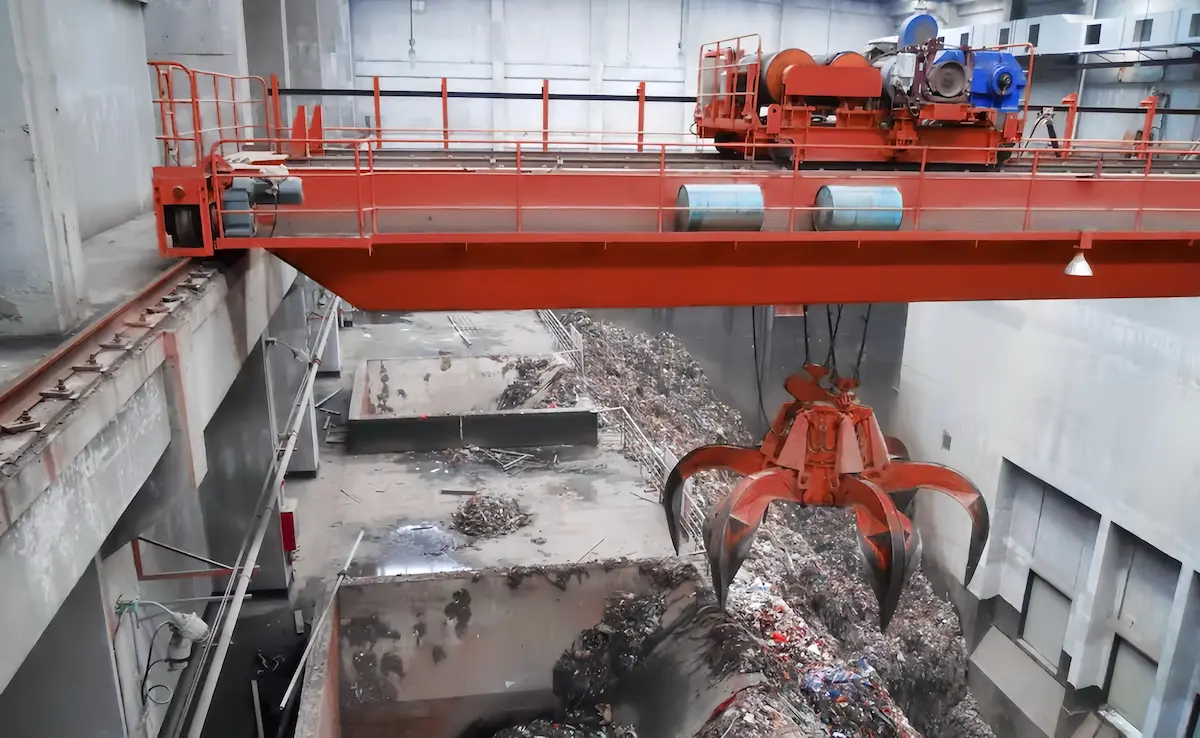
In highly corrosive waste environments. Equipment faces constant humidity. Corrosive gases and abrasive materials. Selecting the right crane grab is essential. Proper material selection and corrosion protection improve durability. Structural design and grab type also affect performance. Combined with proper maintenance. These measures extend service life. They also reduce long-term operating costs.
Is your current grab bucket wearing out too fast?
Contact HSCRANE today for a Free Grab Bucket ROI Analysis. Tell us your material density and working hours, and we’ll show you how much a customized, corrosion-resistant grab can save you annually.
[Book a professional product selection consultation now]
Further Reading: Mechanical vs. Hydraulic Grabs for Overhead Cranes: Which One Fits Your Application Best?
For high humidity and sticky municipal waste. Which is better. Traditional mechanical grabs or modern electro-hydraulic grabs? HSCRANE analyzes both options. Based on thousands of hours of operational data. The article compares advantages and investment returns.
[Read the comparison article now]
FAQ
Q1: What type of crane grab is commonly used in waste plants?
A1: Multi-petal grabs are widely used. They handle loose and irregular waste effectively. They improve grabbing efficiency and reduce material spillage.
Q2: Why are corrosion-resistant grabs required in waste plants?
A2: Waste decomposition produces leachate. Corrosive gases and high humidity accelerate metal corrosion. Corrosion-resistant materials and coatings extend equipment lifespan.
Q3: How can the service life of waste handling grabs be extended?
A3: Service life can be extended by proper maintenance. Regular cleaning reduces corrosion residues. Coating inspections and repairs are important. Key components require lubrication. Wear parts should be replaced regularly. High-quality corrosion-resistant grabs are recommended.
Q4: Which grab is better for waste handling. Hydraulic or mechanical?
A4: Hydraulic grabs are widely used in modern waste plants. They offer flexible control. Smooth operation and high efficiency. Mechanical grabs have simple structures. They suit moderate-duty material handling tasks.
Q5: Can HSCRANE provide customized grabs?
A5: Yes. HSCRANE provides customized grab solutions. These include grab capacity. Structural design and wear-resistant materials. Hydraulic system optimization is also available. This ensures compatibility with specific crane configurations.
This document is for reference only. Specific operations must strictly comply with local laws and regulations and equipment manuals.