

Overview
When purchasing lifting equipment, many people only focus on the lifting capacity. However, they ignore the electric hoist duty class, which decides the equipment lifespan. If selected too low, the equipment overheats and fails frequently. It will become a problematic machine. Choosing the highest class blindly wastes the initial budget. The long-term underutilization also causes invisible losses. How to make it just right to save money and ensure durability?
This article will explain the M3 to M8 electric hoist duty class standards. We will teach you to evaluate running time, load spectrum, and lifting frequency. This helps you avoid choosing an oversized or undersized model.
Not sure whether to choose M3, M4, or M5 electric hoist?
HSCRANE provides free selection advice based on your capacity, frequency, time, and working conditions. This helps you avoid insufficient configuration or wasted investment.
[Contact HSCRANE now for a professional selection solution]
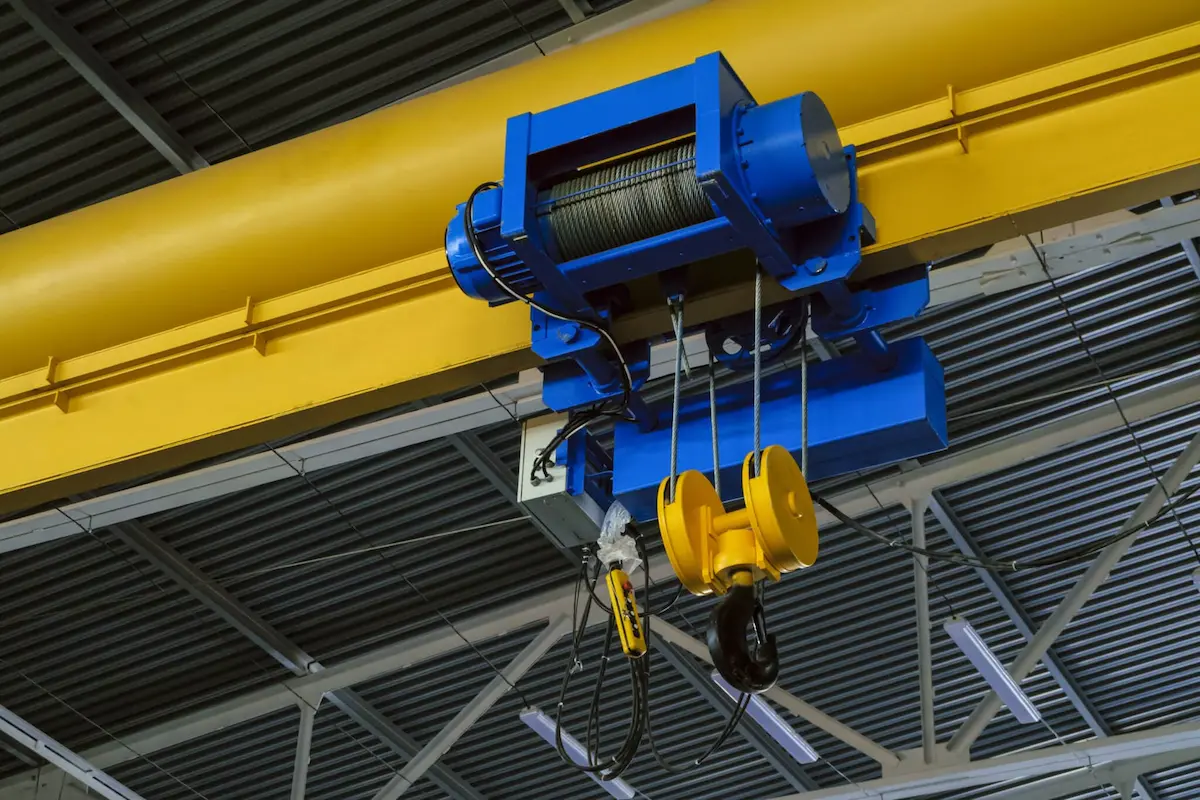
Why Is the Selection of Electric Hoist Duty Class So Important?
We often see this situation in workshops. Customers complain that a new 5-ton hoist overheats after six months. Even the gearbox starts to make abnormal noises. The inspection shows they used a light-duty hoist for heavy tasks. It was used on a two-shift machining line lifting every three minutes. This is a typical case of overloading a light machine.
Choosing the right electric hoist duty class is like hiring the right employee. It needs both great strength and good stamina.
What Is the Electric Hoist Duty Class?
Simply put, lifting capacity determines how much weight the hoist can lift. The electric hoist duty class determines how long and fast it can work. It is the core indicator to measure the endurance of lifting equipment.
●ISO/FEM working system: This standard is established by ISO and FEM. It is a fitness test standard for equipment. It combines the full load degree and daily running time. It gives the hoist an endurance score.
●M3-M8 classification: The industry usually divides the electric hoist duty class into M3 to M8. You can understand it this way. M3 is like an amateur runner on weekends. M8 is like a professional athlete in extreme cross-country races. The higher the class, the stronger the fatigue resistance, motor heat dissipation, and component wear resistance.
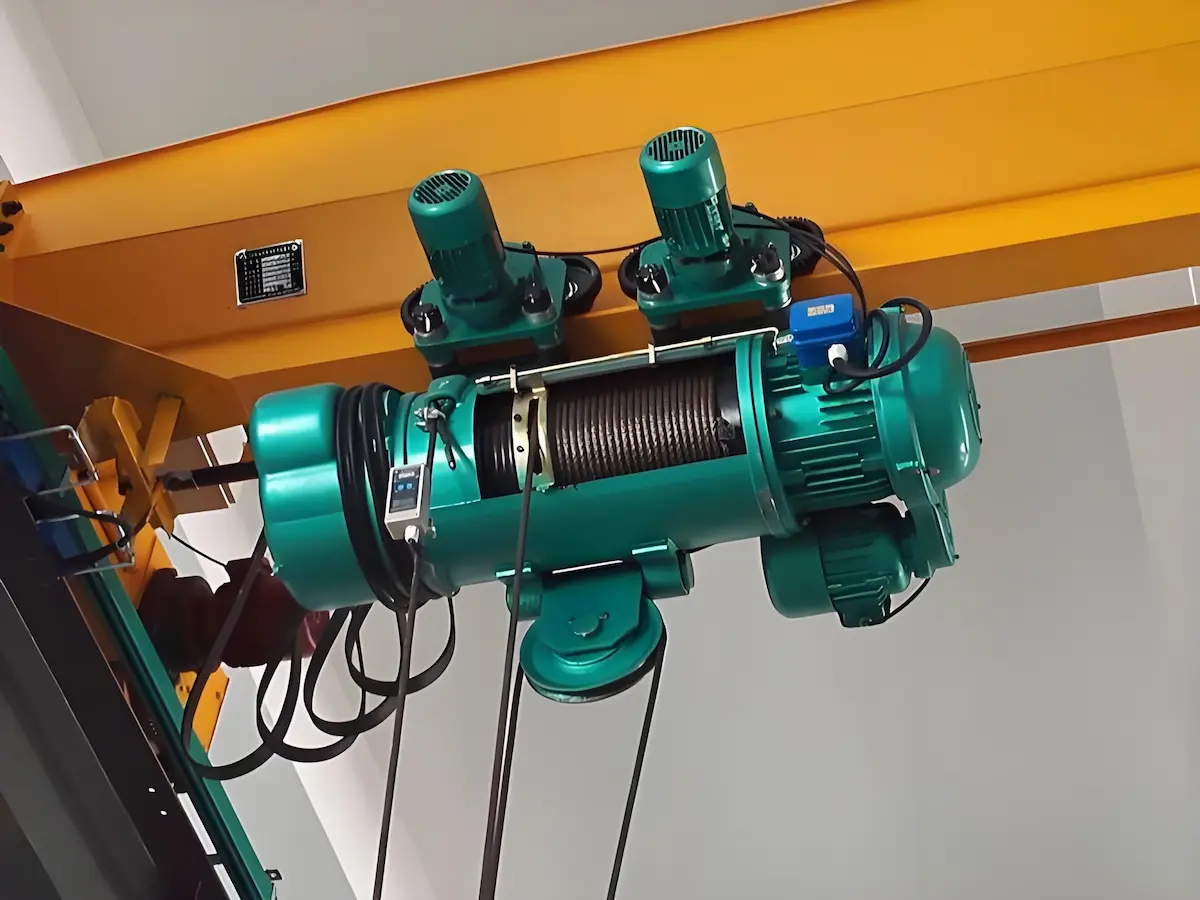
Impact of Duty Class on Equipment Performance
Do not think the duty class is just a cold parameter. It is directly linked to your production cost:
●Lifespan: Forcing an M3 hoist to work as M5 shortens its life. The gearbox and bearings may fail in two years instead of ten.
●Safety: Overloaded and high-frequency use accelerates wire rope wear. The brake may also fail due to frequent friction. In the lifting industry, safety is always the bottom line that cannot be compromised.
●Maintenance cost: Buy cheap, use expensive. If the class is too low, later parts and labor costs will rise. The downtime loss will far exceed the initial savings.
●Operating efficiency: The motor of an insufficient class hoist heats up easily. Once the thermal protection triggers, the hoist stops automatically. You must wait for it to cool, which delays the whole line.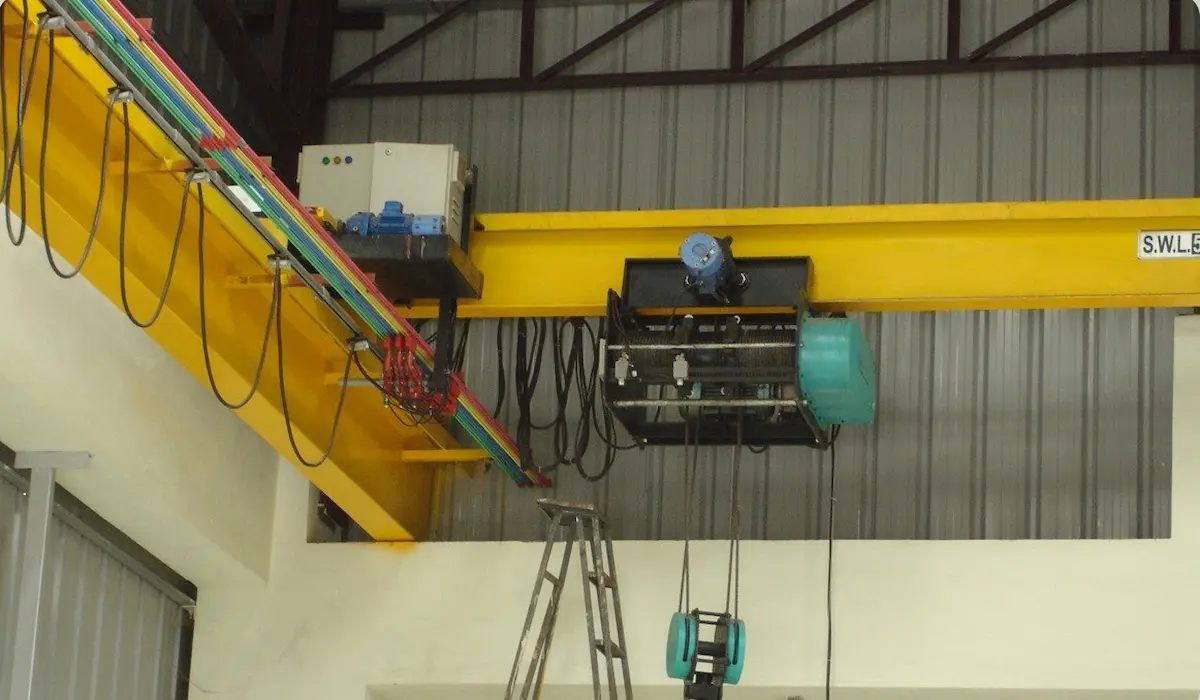
Common Selection Misunderstandings
When buying an electric hoist, many people order by intuition. As a result, they often fall into several common misunderstandings:
1.Only looking at lifting capacity: This is the most fatal mistake. Many buyers think a 5-ton hoist is enough for a 3-ton plate. But if the plate is lifted hundreds of times daily, a light hoist cannot handle it.
2.Ignoring work frequency and starts/stops: Some conditions are light but require frequent inching, like precision assembly adjustment. This high-frequency starting impacts motors and contactors heavily. Electrical components will burn out quickly without a higher duty class.
3.Blindly pursuing high-class configuration: Some owners buy an M7 hoist for occasional maintenance use. They just want peace of mind. This is a pure waste of budget. The equipment remains idle, and the return on investment is very low.
4.Underestimating future capacity needs: The factory uses one shift this year but may switch to two shifts next year. The original hoist instantly becomes a bottleneck. If no margin is left for expansion in 3-5 years, you must replace the whole machine.
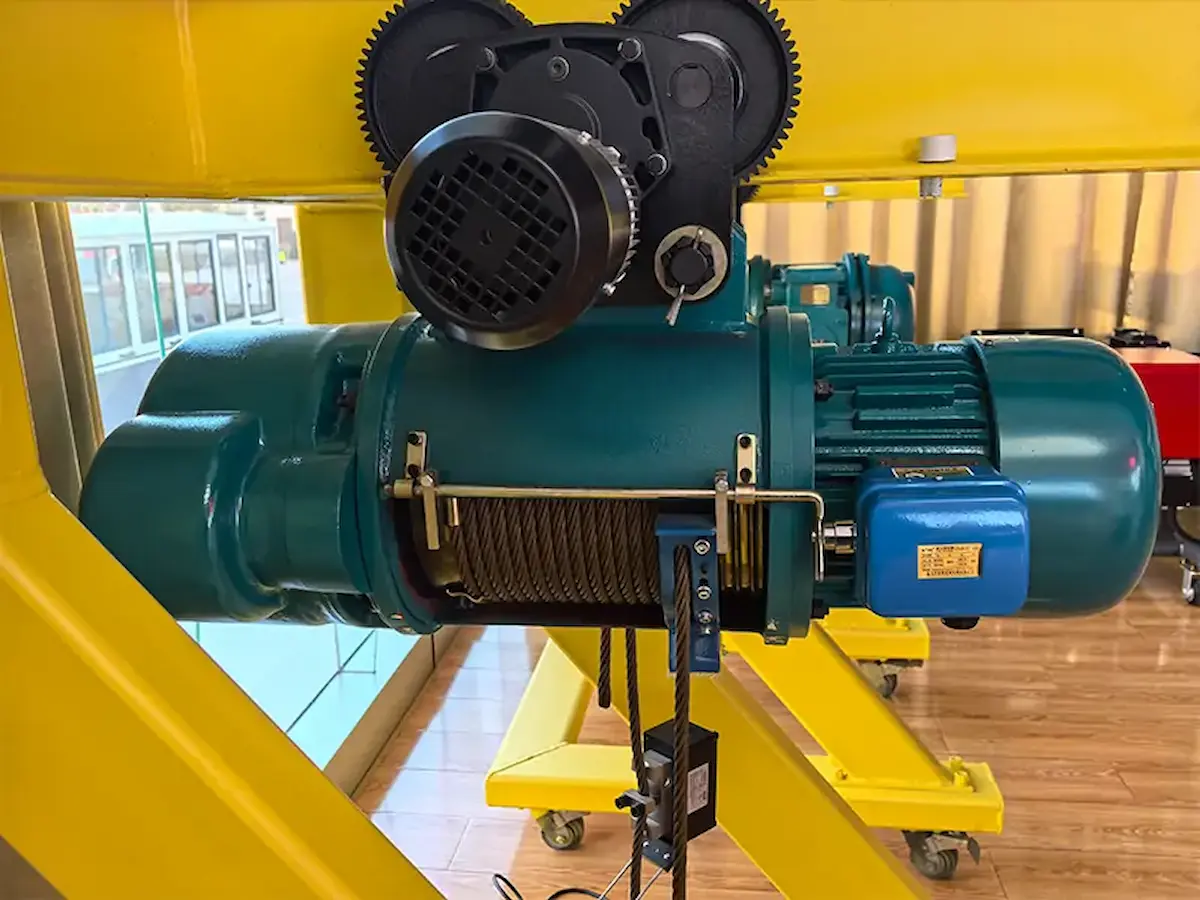
Detailed Explanation of Electric Hoist M3-M8 Duty Class
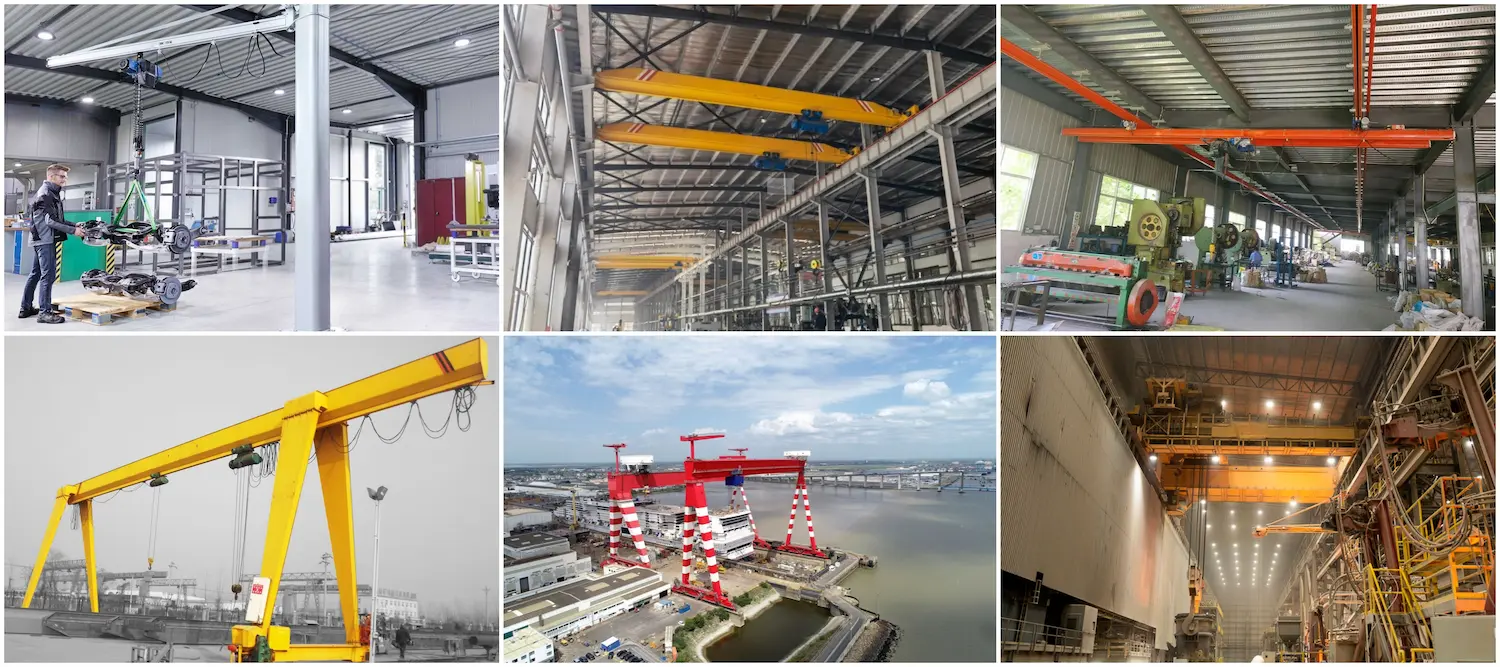
Stop struggling with obscure ISO technical documents. We will translate these standards into plain workshop language. Which electric hoist duty class fits your factory? Look at this quick comparison table to find out:
|
Duty Class |
Application Scenarios |
Core Features and Advantages |
| M3 Class | Warehouse turnover, small repair shops, occasional auxiliary lifting | Focus on economy: low frequency of use, most economical initial investment cost |
| M4 Class | Light manufacturing plants, component assembly lines | High cost performance: suitable for low-to-medium frequency, handles regular light-duty tasks |
| M5 Class | Machining workshops, steel structure production lines | Industrial mainstream: medium frequency operation, the jack-of-all-trades config for most factories |
| M6 Class | Heavy equipment manufacturing, large logistics hubs | Continuous operation: high frequency, withstands heavy-duty and two-shift continuous operations |
| M7 Class | Ports and docks, shipyards, high-temperature metallurgy workshops | Heavy load and high frequency: designed for harsh environments, high reliability under extreme loads |
| M8 Class | Extreme heavy industry environments, 24-hour non-stop automated production lines | Challenge limits: ultra-high duty cycle, tailored for long lifespan and extreme full load demands |
Still not sure which class matches your working conditions?
Paper analysis can always have errors. The HSCRANE engineer team works on the front line year-round. We have seen various complex working conditions. Tell us your situation, and we will perform accurate load analysis and class calculation.
●Free technical consultation
●Free working condition evaluation
●Customized electric hoist configuration solutions
[Submit your project requirements to get expert configuration advice]
How to Judge Which Duty Class Your Working Condition Needs?
Many customers feel a headache when hearing about ISO standards. In fact, that is unnecessary. Setting aside complex formulas, we focus on four core dimensions during actual selection. You can take a piece of paper and check your workshop condition:
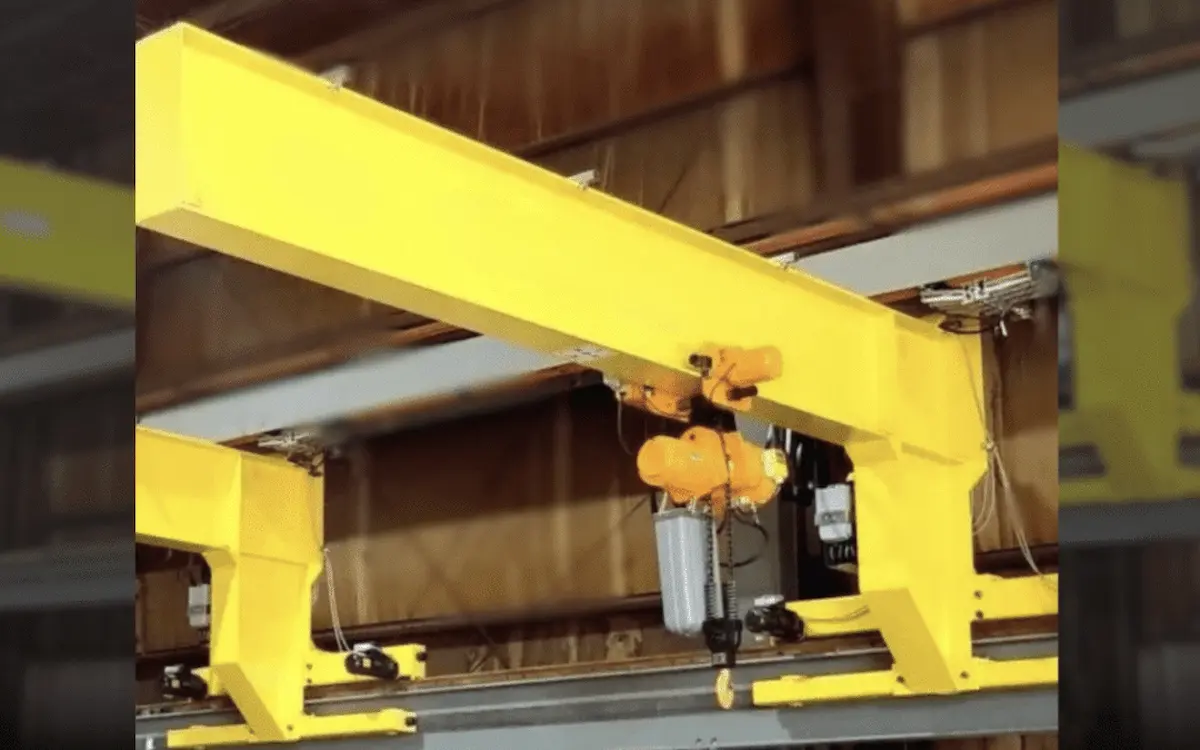
Evaluate Daily Working Time
Do not just look at whether your factory runs one or two shifts. You must calculate the actual running time of the electric hoist.
●Daily running hours: Powering on the hoist does not mean it is working. In an 8-hour shift, does it run for 4 hours, or just move for ten minutes during loading?
●Annual working days: Is it a non-stop workshop working 300 days a year, or a seasonal business? The longer the total running time, the higher the duty class must be.
Evaluate Load Spectrum
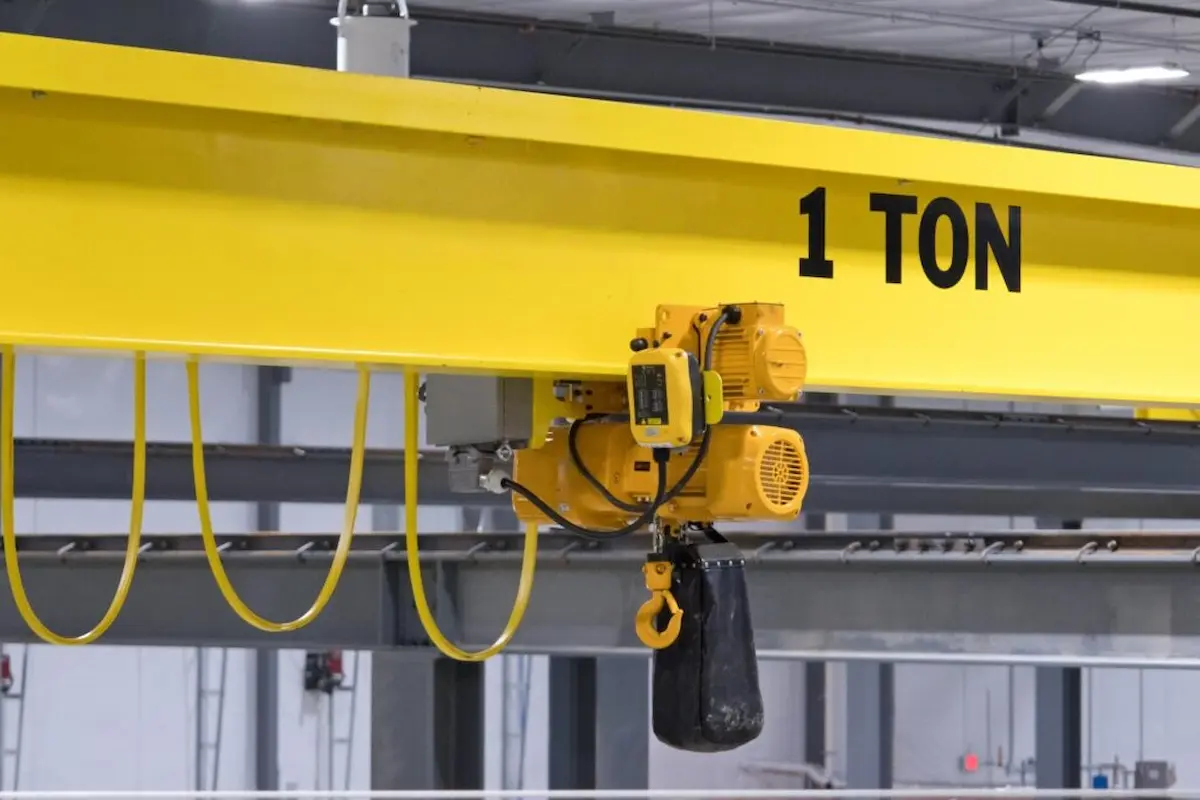
The term “load spectrum” sounds academic, but it just means how hard the equipment works.
●Full load frequency: For example, you buy a 10-ton electric hoist. Does it lift 9 or 9.5 tons of heavy steel every time? Or does it lift 2 or 3 tons most of the time?
●Average load ratio: If the equipment always challenges its limits, you must raise the duty class. Even if used for 2-3 hours daily, raise it from M4 to M5 or M6. Otherwise, the wire rope and motor cannot handle the high pressure.
Evaluate Lifting Frequency
There is an old saying in the lifting industry: “Continuous running is fine, but frequent starts and stops damage the machine.”
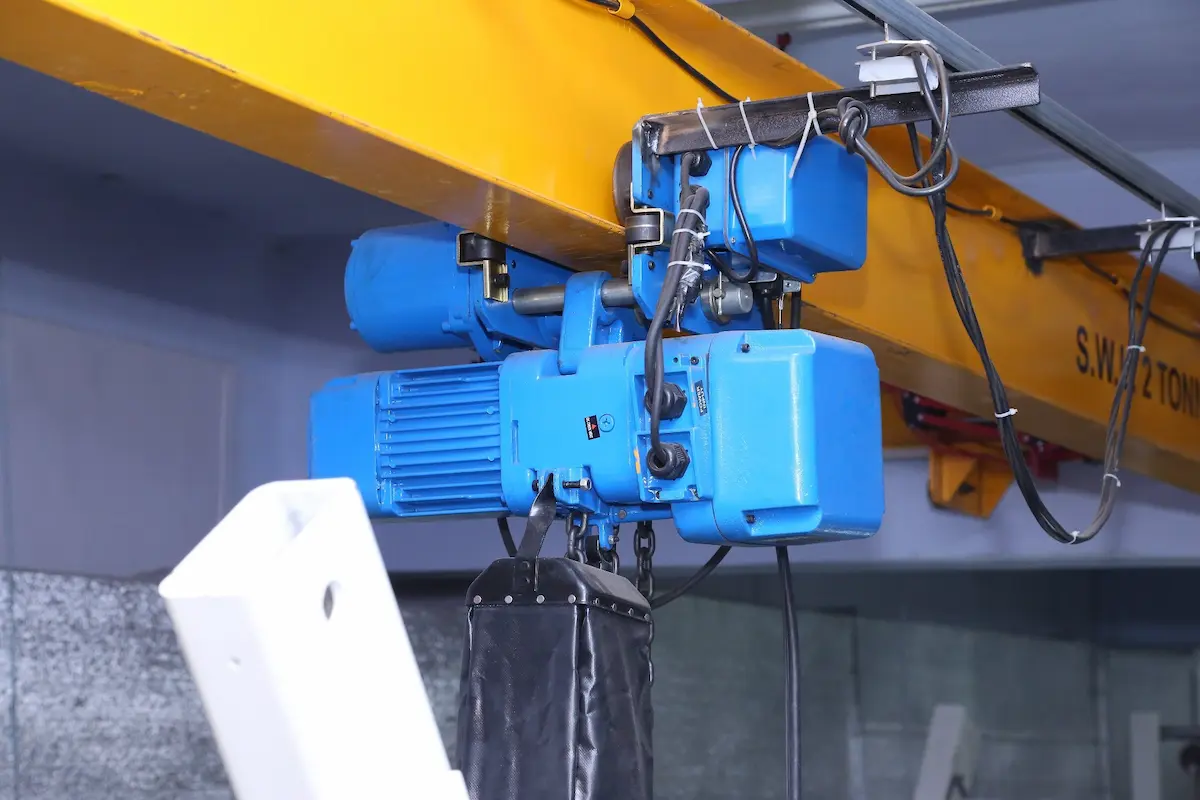
●Lifting times per hour: How many times do you lift up and down within an hour? Is it a high-frequency action on assembly lines every three minutes, or lifting once every half day?
●Inching and adjustment times: This is most easily overlooked. In precision assembly, operators frequently click buttons to align holes. This high-frequency starting heavily impacts motors and contactors. If your condition is like this, do not buy a low-class hoist to save money. Otherwise, replacing electrical components later will cause severe headaches.
Evaluate Future Capacity Expansion Needs
Buying lifting equipment is like buying a factory. You must look ahead at least 3 to 5 years.
●Capacity planning: Does the owner plan to take big orders and add lines next year? If current production sits between M4 and M5, we strongly recommend choosing M5 directly.
●Upgrade space: Spending a little more budget now to upgrade the configuration leaves enough room for future growth. This is more cost-effective than replacing the whole machine later when production speeds up and causes overheating.
What Problems Are Caused by Choosing a Too-Low Duty Class?
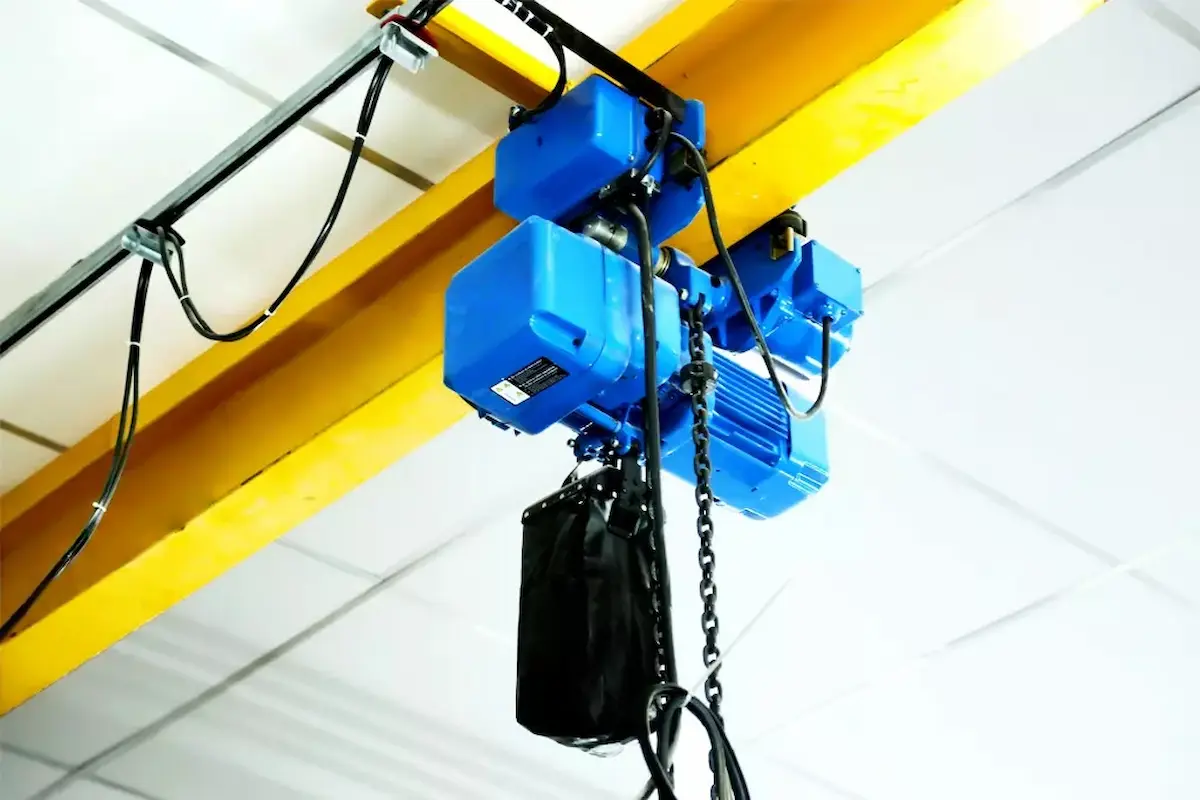
Deliberately lowering the electric hoist duty class to reduce procurement budgets seems like a financial saving. However, once installed in the workshop, it becomes a nightmare for site management:
●Premature wear: Forcing a lightweight machine to do heavy work causes gearboxes, bearings, and wire ropes to “overdraw” their stamina. Original parts that should last for years will start making abnormal noises after just a few months.
●Frequent overheating and downtime: This is the most frustrating issue for workshop supervisors. The heat dissipation of a low-class motor cannot handle high-frequency continuous operation. It triggers thermal protection and shuts down. Workers on the line have to wait for the hoist to cool down, disrupting the entire production rhythm.
●Maintenance costs become a bottomless pit: The price difference saved on purchase is quickly filled by repair costs. Replacing contactors and fixing brake pads frequently, plus the hidden costs of equipment downtime, makes this a total losing business.
●Rising safety risks: This is the most fatal aspect. Long-term overloading easily leads to fatigue and failure of the braking system. Imagine a load slipping in mid-air. Damaging goods is one thing, but bearing responsibility for human safety accidents is impossible.
●Severely shortened lifespan: Equipment that should serve steadily for seven or eight years will be scrapped after two or three years of “overloading.” In the end, you have to apply for a new budget to buy another one.
Is It Worth Choosing a Too-High Duty Class?
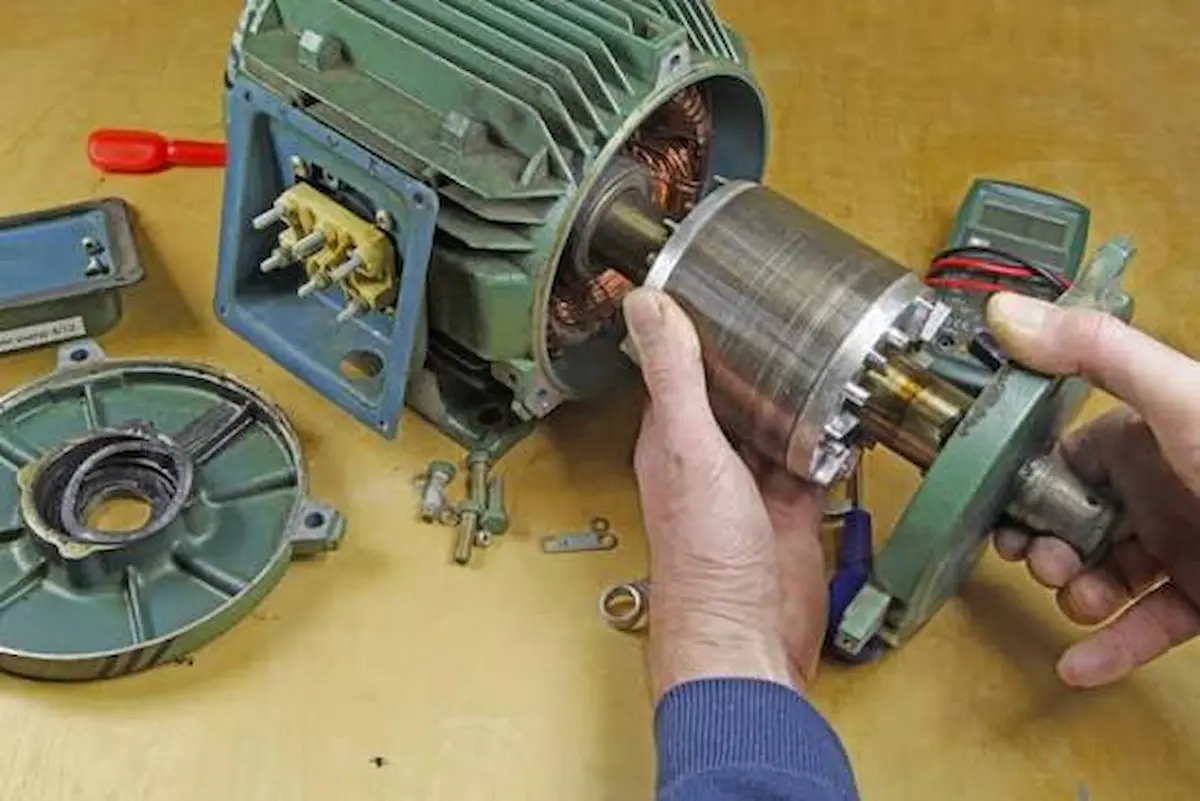
Since choosing a low one leads to damage, should you just buy the highest configuration blindly? Our general suggestion is: It is unnecessary. Blindly “over-specifying” without actual needs is another form of waste.
Hidden Waste Brought by Blind Over-specification
●Increased procurement budget: Core parts like motors and gears for M7 are much more expensive than M4. If you force a top configuration on light-load tasks, the initial investment may double.
●Equipment performance remains idle: Like using a heavy truck to deliver takeout, the money spent on high-frequency impact resistance and heat tolerance is wasted. The core performance is never utilized.
●Low capital utilization: Instead of wasting budget on an unnecessary duty class, use the difference to add practical features like anti-sway or intelligent monitoring. The return on investment will be much higher.
Situations Where You Should Reserve a Higher Duty Class
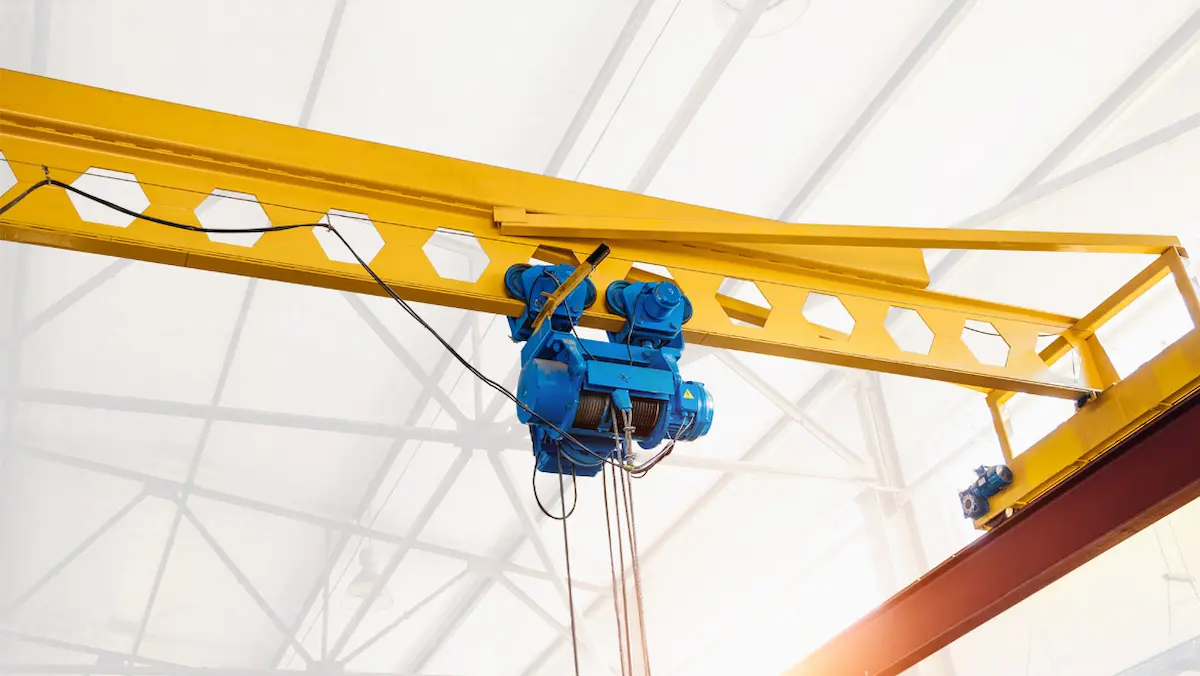
Of course, selection cannot be too rigid. If your workshop meets these three trends, we strongly suggest raising the duty class by one level based on your assessment:
●Two-shift or three-shift production: Rest time for equipment is compressed, accelerating fatigue accumulation in mechanical parts. Raising the class at this point is like buying “insurance” for the equipment lifespan.
●Clear future expansion plans: If you expect to increase capacity or speed up the assembly line soon, reserving a higher configuration avoids the old equipment becoming a bottleneck.
●Preparing for automation upgrades: To match the high-frequency, seamless continuous operation of robots, lifting equipment usually requires M6 or even M8 to handle such extreme demand.
HSCRANE Electric Hoist Solution Advantages
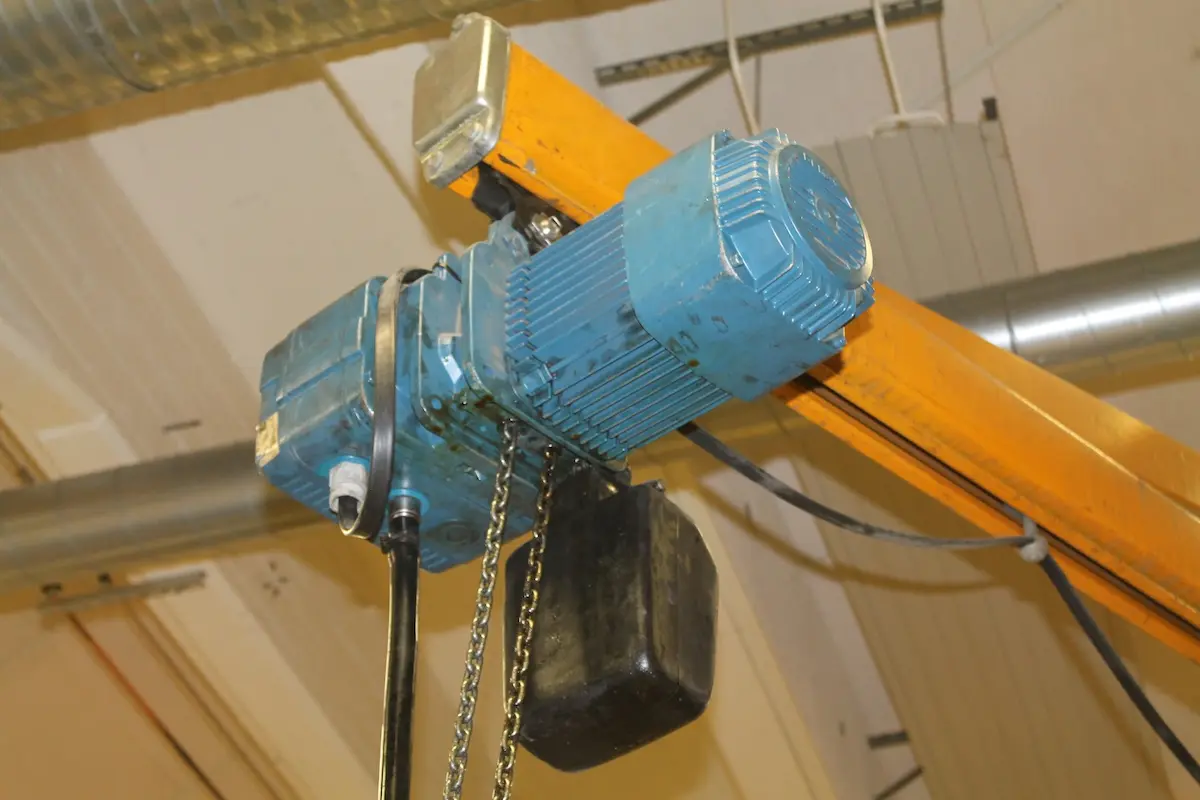
After all, choosing lifting equipment means selecting a helper that can fight hard battles for your workshop long term. HSCRANE not only knows how to calculate data but also secures stable production on your site:
●Rich product series: From M3 light-duty auxiliary lifting to M8 extreme automated lines, whether standard wire rope hoists or compact chain types, our grading is precise. There is always a model to meet your actual needs without compromise.
●Strict quality control system: Equipment hanging in mid-air leaves no room for carelessness. Before leaving the factory, every HSCRANE electric hoist must pass real overload tests and extreme operation trials. We control quality strictly to reduce your maintenance worries.
●Customized design capability: Low factory headroom? Explosion-proof or high corrosion resistance required? No problem, our engineers excel at tailored solutions. Low headroom, dual braking, and various non-standard customizations are easily handled, freeing good equipment from physical constraints.
●Global project experience: Our hoists work not only in large domestic heavy industry workshops but also withstand Southeast Asia’s heat and Russia’s extreme cold. Surviving extreme global conditions with high durability gives us the confidence to make promises.
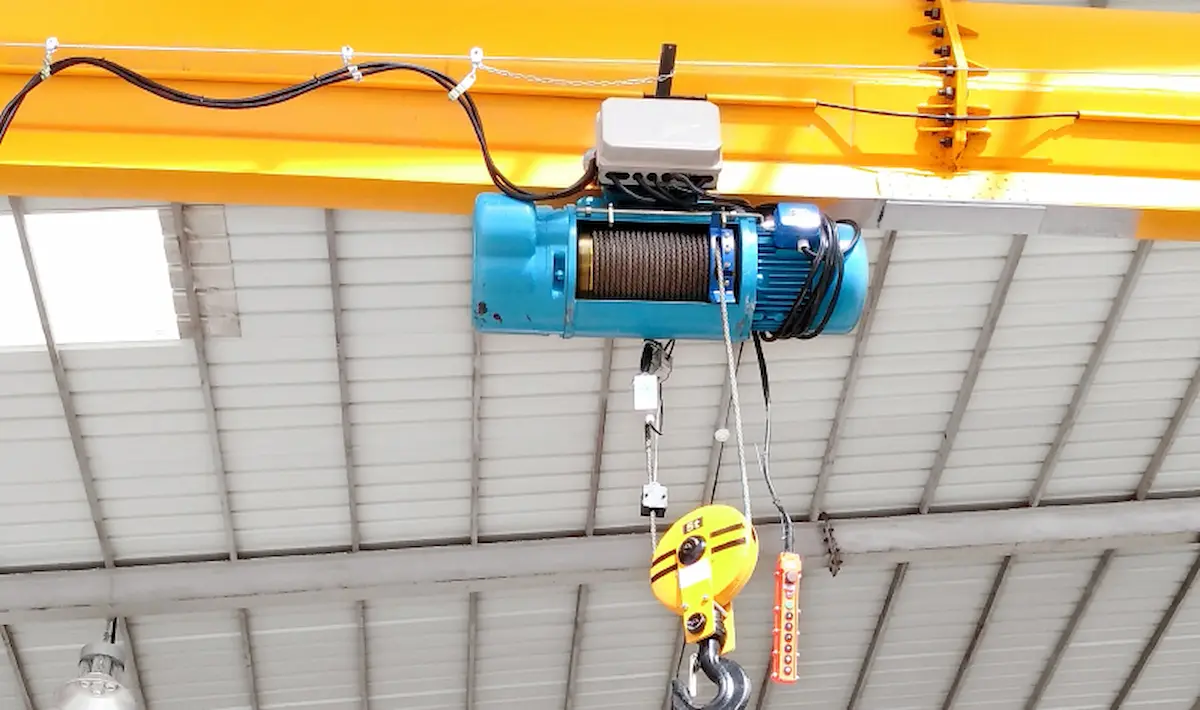
HSCRANE Classic Project Cases
Theory alone is not intuitive enough. Let us look at two typical workshop renovation cases to see how much difference choosing the right electric hoist duty class makes:
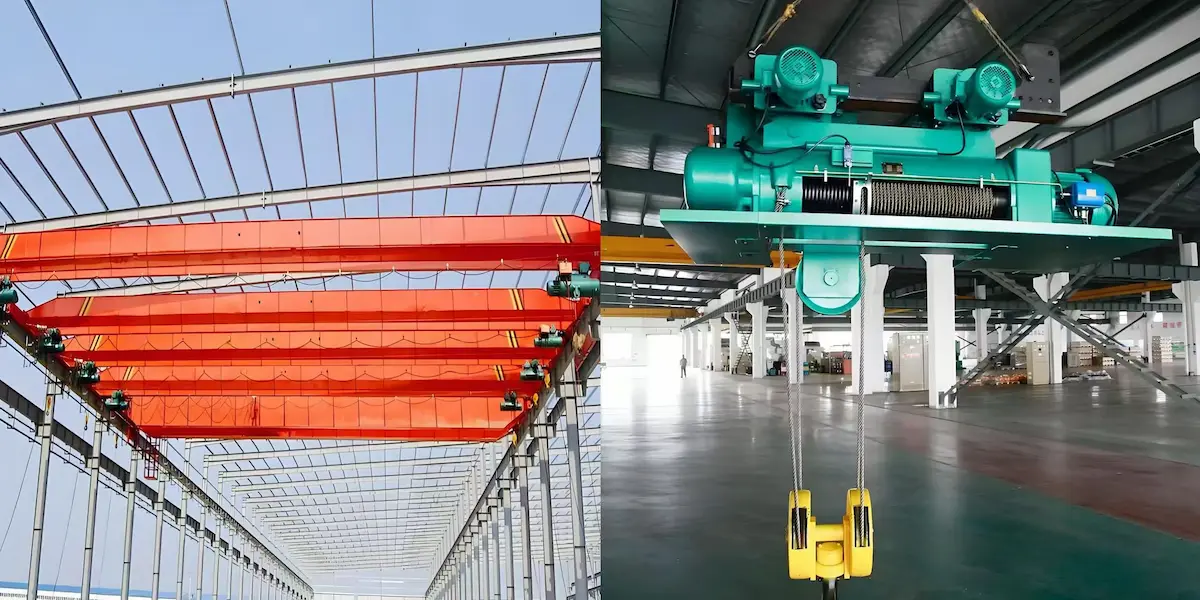
Case 1: Steel Structure Manufacturing Workshop Project
This steel structure factory deals with H-beams daily. They originally bought low-class hoists to save money, resulting in frequent production stops for crane repairs.
●Real site needs: Daily lifting load is around 10 tons. The frequency is very high due to constant lifting and turning for groove cutting and welding. The old equipment motors frequently overheated and alarmed.
●HSCRANE solution: After calculating the load spectrum on-site, our engineers replaced them with M5 class wire rope electric hoists. This medium-frequency configuration perfectly matched the high-frequency turnover and solved the heat dissipation defect.
●Final project results:
1.Improved production efficiency: The production line never stopped due to hoist overheating, and workers’ piece-rate output rose steadily.
2.Reduced maintenance costs: The dilemma of frequently changing contactors and repairing brake pads ended, and the annual maintenance budget dropped sharply.
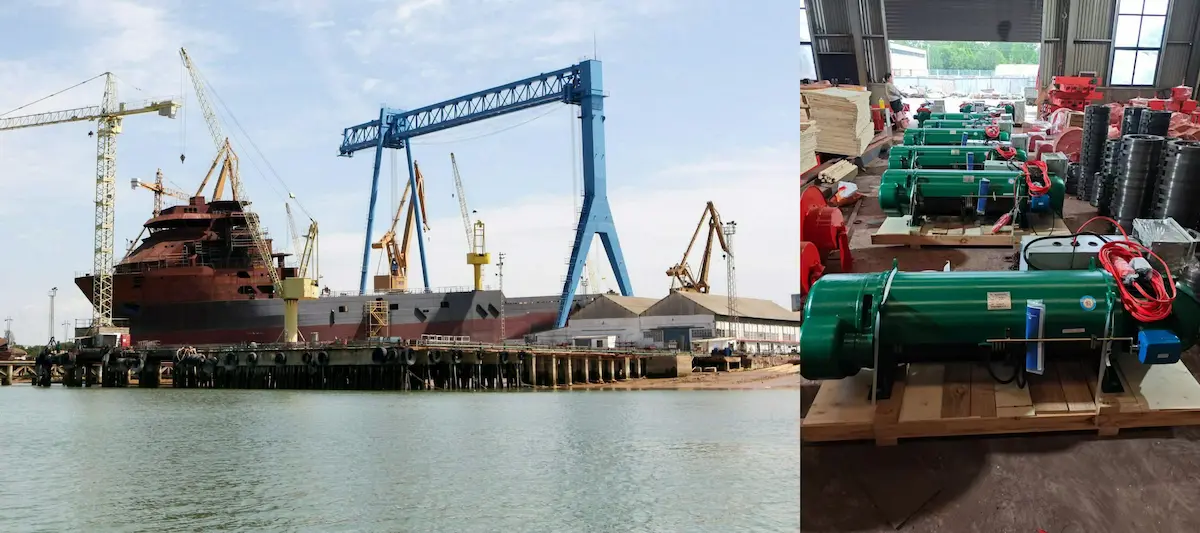
Case 2: Shipyard Project
Shipyard workshops are known as “shredders” in the lifting industry. Ordinary lightweight hoists cannot survive there for half a year.
●Real site needs: Hull section block assembly involves heavy loads and requires continuous two-shift operations. It demands heavy lifting, high frequency, and extremely strict precision inching.
●HSCRANE solution: For this harsh condition, we deployed the “heavy weapon”—an M6 class European-type electric hoist. Standardized with high-performance maintenance-free motors and heavy-duty gearboxes, it is tailored for extreme continuous operations.
●Final project results:
1.Meeting continuous operation needs: It steadily handled high-intensity, uninterrupted work demands, perfectly matching the shipyard’s tight delivery schedule.
2.Improving equipment reliability: The European maintenance-free design relieved the site equipment supervisor and greatly enhanced the lifting system’s lifespan in harsh environments.
Electric Hoist Duty Class Selection Quick Reference Table
|
Duty Class |
Typical Frequency |
Common Target Industries and Scenarios |
| M3 | Low Frequency | Warehousing logistics turnover, daily equipment maintenance and repair workshops |
| M4 | Low-Medium Frequency | Light component assembly lines, non-continuous operation workshops |
| M5 | Medium Frequency | Traditional machining and manufacturing, conventional steel structure production lines |
| M6 | High Frequency | Heavy industrial manufacturing, large high-frequency logistics hubs |
| M7 | High Intensity | Port and dock cargo scheduling, shipyards, high-temperature metallurgy |
| M8 | Ultra-High Frequency | 24-hour non-stop unmanned or automated continuous production lines |
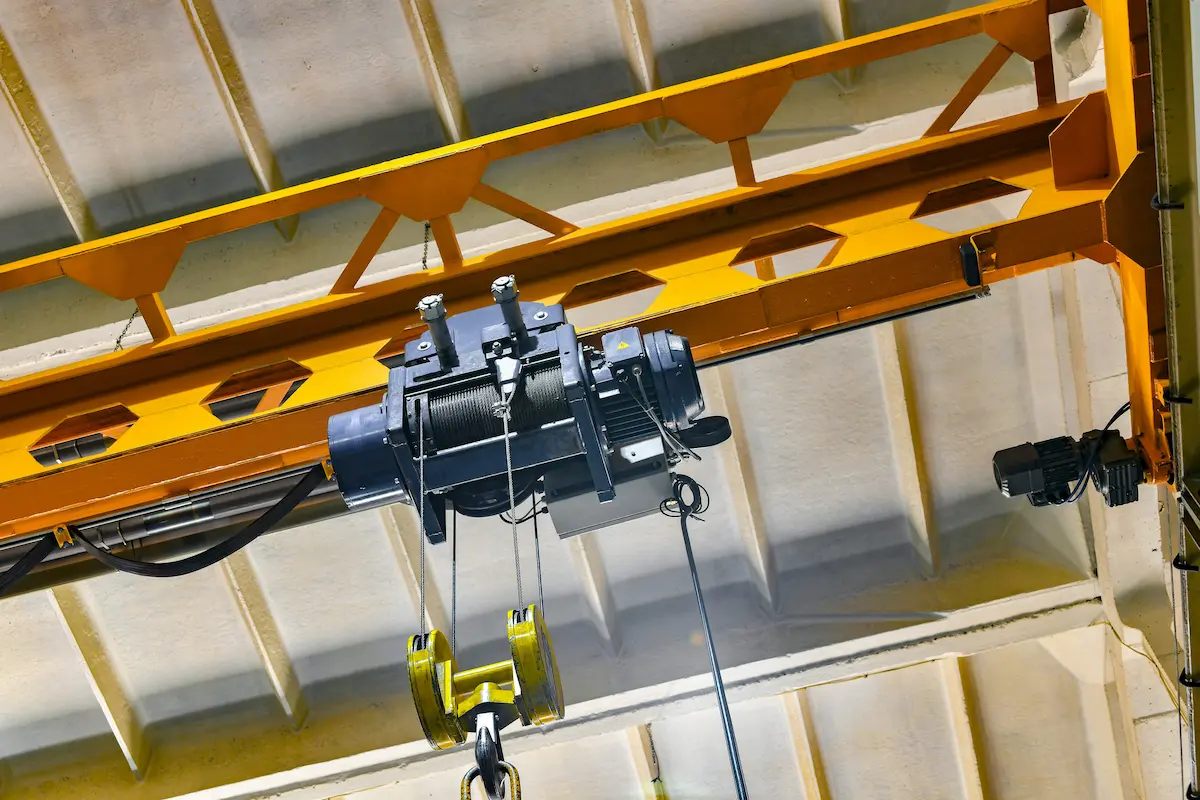
Conclusion
When buying lifting equipment, focusing only on tonnage or blindly pursuing top configurations is a trap. After reading this guide, you understand that choosing the right electric hoist duty class is more important than choosing the highest one blindly. Precisely matching your actual operational needs keeps equipment serving steadily for ten years and ensures every penny of your budget is well spent.
Get Your Exclusive Electric Hoist Selection Solution
Still struggling with parameter data? Leave the calculation and evaluation to us. Whether you need an M3 light warehouse or an M8 24-hour continuous heavy-duty operation, HSCRANE provides professional support.
●Free working condition analysis
●Free selection advice
●Free project quotation
●Customized lifting solutions
[Contact the HSCRANE expert team now] to finalize the most suitable electric hoist duty class for your project!
What to Look at Next?
The electric hoist duty class determines how long it lasts, while the lifting mechanism selection determines how well it performs. Hoists, winches, single/dual speed, variable frequency control… how to match them for high efficiency and savings?
[Recommended Reading: Complete Guide to Crane Hoist Mechanisms: Types, Selection, and Maintenance]
This document is for reference only. Specific operations must strictly comply with local laws and regulations and equipment manuals.