

Every time a critical crane component fails unexpectedly, your production line stops. In a heavy fabrication shop, a single hour of unplanned downtime can cost $8,000 to $25,000 in lost output. When the root cause is a premature gearbox seizure or a burned motor that wasn’t designed for your real duty cycle, the savings on the initial purchase evaporate many times over. This guide gives you the hard numbers and selection criteria to decide between european standard crane components (FEM/DIN/EN) and conventional industrial parts — so your next purchase ends the cycle of reactive repairs.
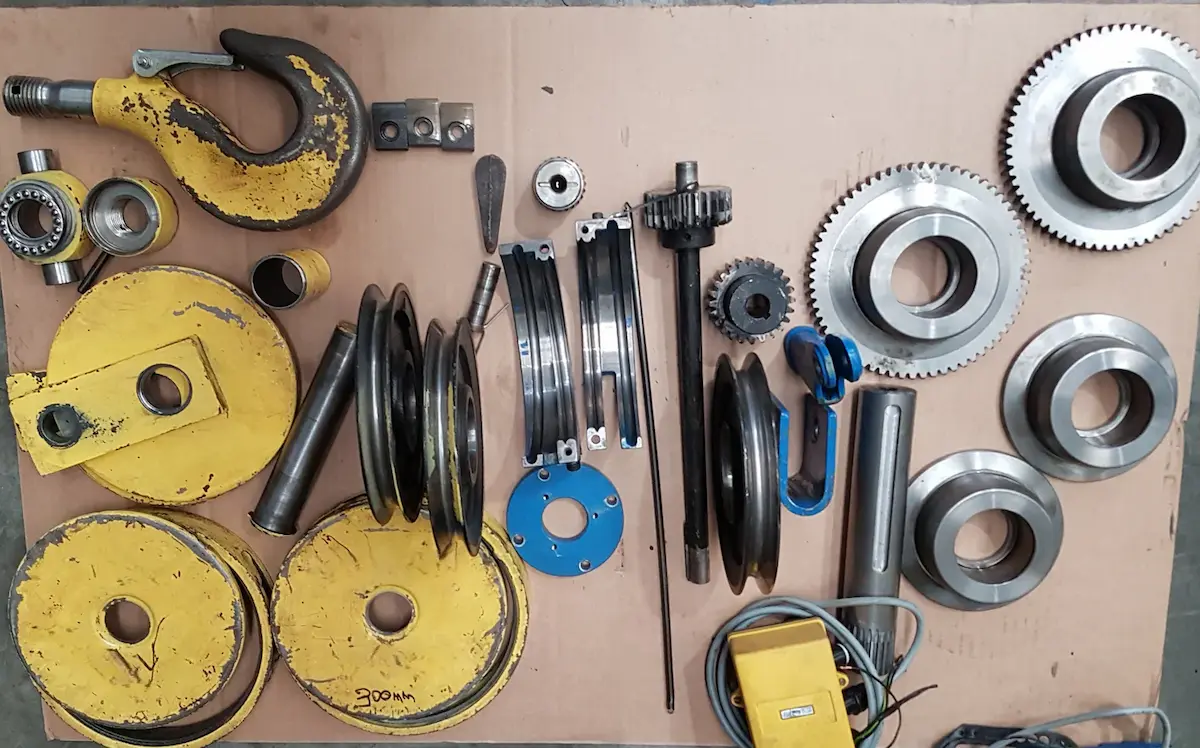
What Are European Standard (FEM/DIN) Crane Components?
European standard crane components are drivetrain, hoist, and control modules designed and manufactured to the specifications of the Fédération Européenne de la Manutention (FEM), Deutsches Institut für Normung (DIN) , and relevant EN/ISO standards. Unlike generic industrial parts, these standards set quantitative limits for:
·Work duty (1Bm to 4m) — lifetime load cycles
·Material fatigue strength per DIN 15018 / EN 13001
·Geometric tolerances (e.g., gear shaft runout ≤ 0.01 mm)
·Brake torque stability over 1 million cycles
·Electrical protection IP55 minimum for motors, IP66 for gearboxes
A proper FEM/DIN crane component set typically includes:
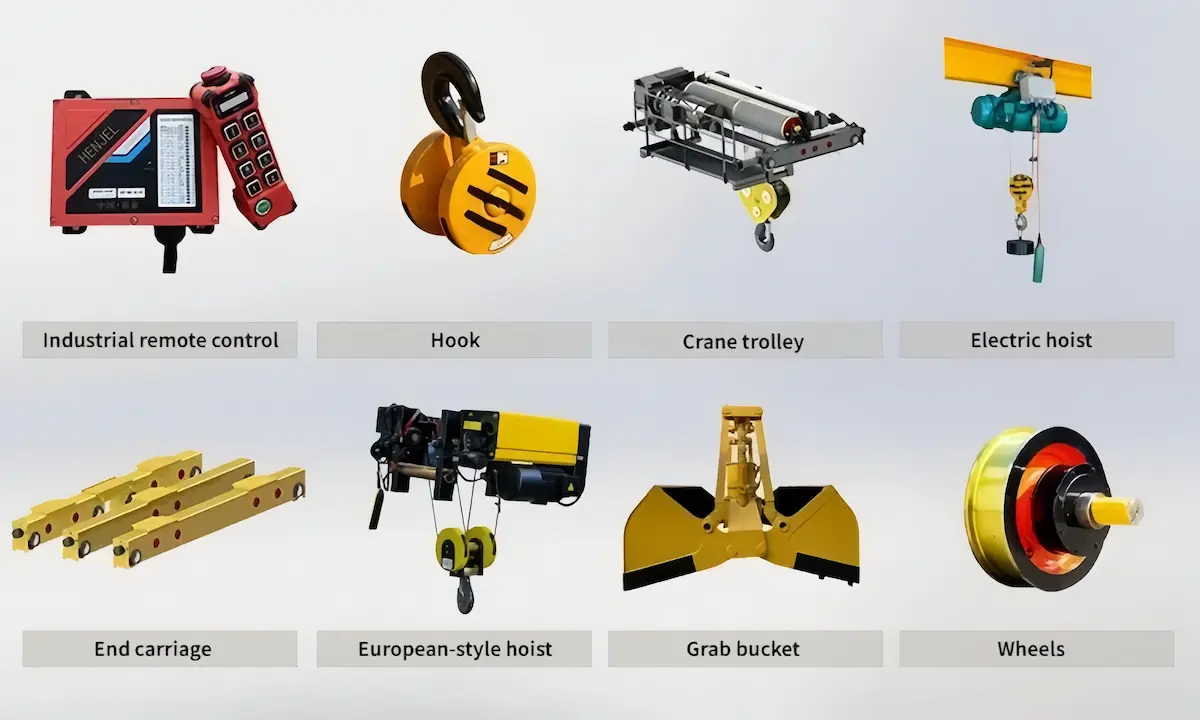
·Low-headroom wire rope hoist with VFD control
·Inline helical-bevel gearbox (case-hardened, ground gears, 96-98% efficiency)
·Heavy-duty brake motor with Class H insulation and 60% ED rating
·Double-shoe electromagnetic safety brake with automatic wear compensation
·Vector VFD inverter with anti-sway software
·Control panel with Schneider or Siemens safety relays, overload monitor, phase-loss protection
Regulatory references: Our components are traceable to FEM 9.511 (hoist), FEM 9.661 (gearbox), DIN 15400 (loading classes), EN 14492-2 (powered hoists), and Machinery Directive 2006/42/EC (CE marking).
What Are Standard (Non-FEM) Crane Components?
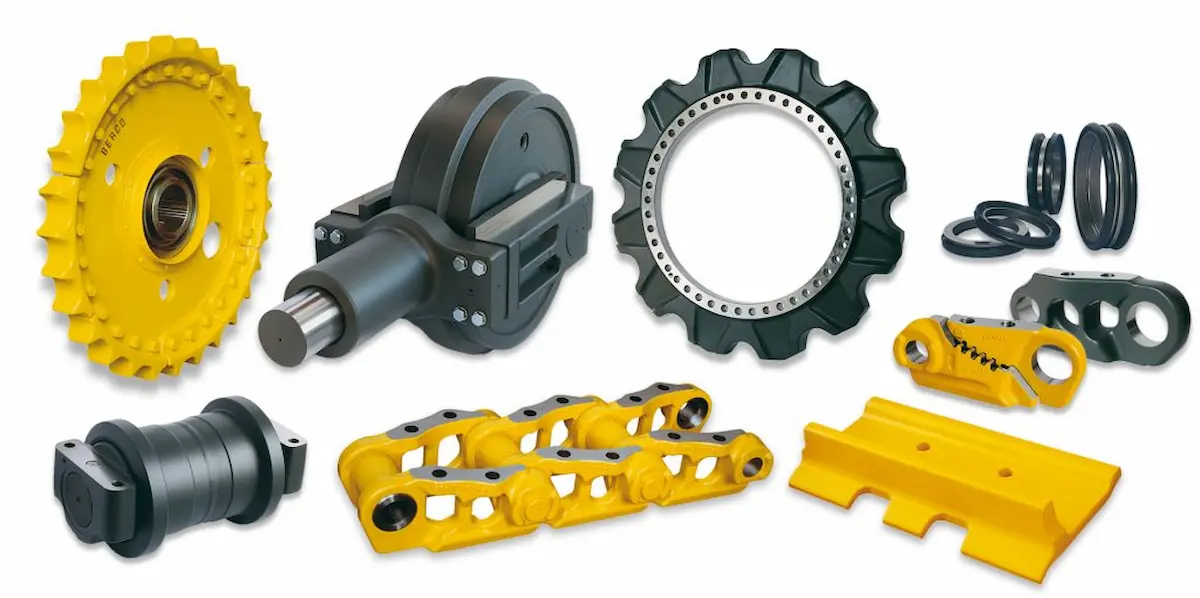
Standard components are built to lower-cost local or proprietary specifications, often without international fatigue-life verification. Common traits:
·Separated motor, coupling, gearbox, and drum — assembled on-site with shimming
·Soft- or medium-hard gear teeth (not ground) — initial efficiency 88-92%
·Single-speed or two-speed motors, often with IP44 enclosure
·Manual brake with lever actuation, no electronic wear monitoring
These parts can work acceptably for A3-or-lower service (occasional lifting, ≤3 hours/day) in dry, clean environments. But when used outside their design window, replacement frequency, energy consumption, and safety risk rise sharply.
7 Critical Differences: FEM/DIN Crane Components vs. Standard Parts
|
Dimension |
European Standard (FEM/DIN/EN) Crane Components |
Conventional Standard Parts |
| Design architecture | Certified modular units; shaft alignment within ±0.02 mm | Field-assembled; alignment relies on worker skill |
| Safety systems | Dual height limiter + electronic overload + anti-sway VFD | Single limiter; mechanical overload; operator-dependent sway control |
| Motion control | Stepless variable speed; S-curve acceleration; positioning ±2 mm | 2-speed or fixed speed; high jerk; positioning ±15 mm typical |
| Durability | Ground case-hardened gear teeth; 60% ED H-class motor; 1M brake cycles | Soft-machined gears; 25% ED motor; manual brake with 100K-cycle life |
| Energy consumption | IE3/IE4 motor + regenerative VFD; 20-30% lower kWh per lift | IE1/IE2 motor; direct-on-line start; high reactive power |
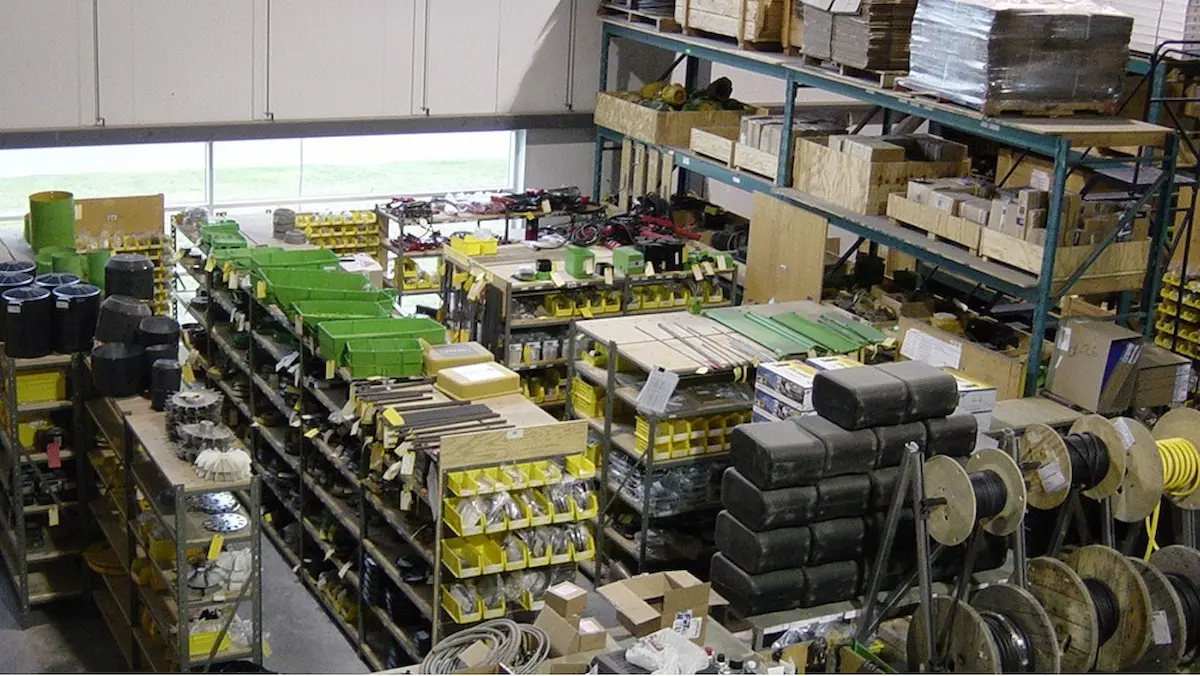
| Maintenance | Plug-and-play modules; DT ≤ 2 hours for motor swap; global parts interchangeability | Welded or shimmed mounts; DT typically 8-16 hours; batch-specific spares |
| Lifecycle cost (5-yr) | Higher Capex; Opex includes only scheduled inspection | Low Capex; Opex includes 3-5 unplanned repairs + energy premium |
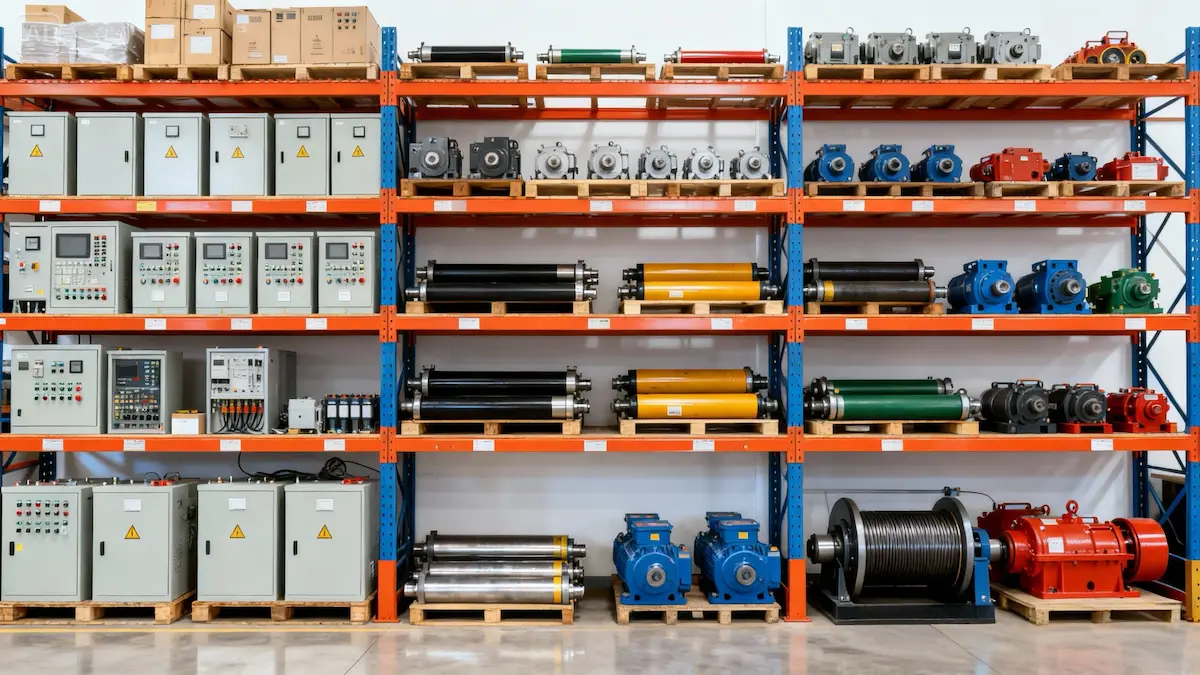
Detailed Comparative Discussion
Design and Manufacturing Tolerances: FEM/DIN gearboxes are machined to ISO 5/6 gear accuracy. That means less than 3% variation in tooth contact pattern across the production run. The result is a measured noise level of 68 dBA versus 82 dBA for soft-geared units, and a temperature rise under 35°C at full load.
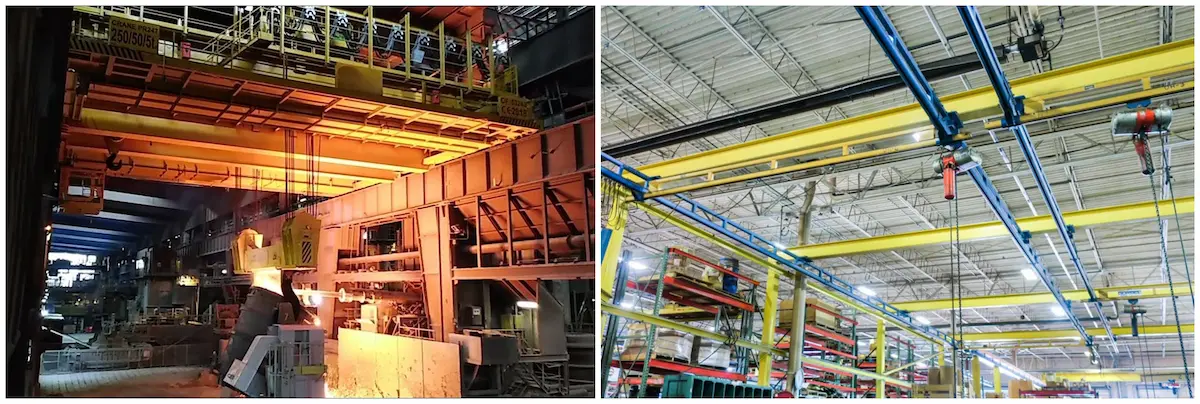
Safety Redundancy: European standard crane components mandate up to three independent holding systems: electromagnetic brake, load-holding brake, and redundant limit switches. In a steel mill application where molten metal is lifted, the required CE-approved overload limit cuts lifting power at 110% of rated load, while a standard mechanical overload might trip at 125-130%, causing irreversible structural stress.
Precision and Anti-Sway: A vector VFD with 2000-line encoder lets the hook creep at 0.5 m/min with positioning repeatability of ±2 mm. Anti-sway algorithms reduce the pendulum angle to less than 0.5° within 3 seconds, versus 4–6 seconds of manual inching with conventional drives.
Component Lifetime:
| Component | FEM/DIN Expected Life | Standard Expected Life |
| Hoist gearbox | 10,000 hours (FEM 2m) | 3,000-4,000 hours |
| Rope drum | 1 million cycles | 400,000 cycles |
| Motor winding | 60,000 hours (H class) | 15,000 hours (B class) |
| Brake discs | 1 million cycles | 100,000 cycles |
Energy Savings with Variable Frequency: A 20-ton overhead crane running 2,000 hours/year with a 30 kW motor can save about $3,400/year in electricity cost when switching from a DOL IE1 motor to an IE3 vector drive (rate 0.12 $/kWh). Over 5 years that is $17,000 of pure operational saving, often covering the price premium.
Maintenance and Spare Parts Availability: Because FEM/DIN flange dimensions and shaft heights are standardized per ISO 9409-1, a replacement motor from any compliant manufacturer fits without re-machining. In contrast, a conventional motor may require drilling new base holes and re-aligning coupling — 8 hours of extra labor. Our clients stock 60% fewer spare part SKUs after switching to modular design.
Application Match:
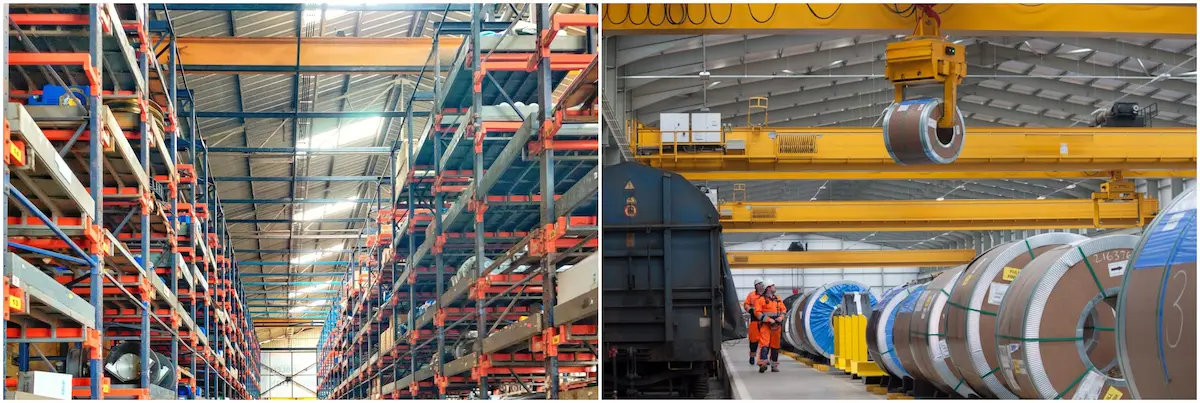
1.Choose European standard components: For work classes ≥ A5 (FEM 2m), 24/7 operations, automotive press lines, steel melt shops, automated warehouses, hazardous duty, or any lift where an accident would cost >$50,000.
2.Standard parts are acceptable only: For A3 or lower, <3 hours/day, manual pick-and-place, or short-term budget-only projects.
Selecting European Standard vs. Standard Components
When procuring cranes, enterprises should neither blindly pursue high-end configurations nor simply slash budgets. To make the most profitable decision between European standard (Euro-spec) and standard components, evaluate the following four professional engineering dimensions:
Crane Duty Class (A3-A8 / FEM Ratings)
The duty class directly determines the fatigue life limit of components.
·Standard Components: For duty class A3 or below (or FEM 1Bm/1Am) with light, infrequent lifting, standard components provide sufficient structural strength and wear resistance.
·Euro-Spec Components: For heavy-duty classes from A5 to A8 (or FEM 2m/3m/4m) under heavy or ultra-heavy loads, Euro-spec components are mandatory. Their precise life-calculation system ensures high material fatigue strength under continuous high-load impacts.
Operating Frequency (Runtime and Cycles)
Operating frequency is the primary cause of component wear and heat generation.
·Single-Shift, Low Frequency: For light-duty projects running under 3 hours daily with intermittent lifting, selecting standard components effectively reduces initial capital expenditure.
·Multi-Shift, Continuous Operation: For 24/7 high-frequency production lines (e.g., automotive stamping, waste-to-energy plants, material terminals), Euro-spec components are highly recommended. Their specialized variable-frequency motors feature high cyclic duration factors. Combined with hard-tooth gear reducers, they eliminate motor overheating and gear breakage.
Safety Requirements and Environmental Risks
Evaluate the environmental risk factor and potential losses from any operational failure.
·High-Risk Environments: For lifting molten metal (steel mills), precision equipment (aerospace, nuclear power), hazardous materials, or working in crowded assembly workshops, Euro-spec components are mandatory. Their dual height limits, high-precision electronic overload protection, and millimeter-level electronic anti-sway systems minimize risks of dropping or collisions.
·General Lifting: For bulk or scattered cargo lifting in independent outdoor yards or low-risk areas, standard components satisfy regular safety compliance standards.
Long-Term ROI (Return on Investment)
Procurement decisions must shift from “purchase cost” to “Life Cycle Cost (LCC)”, focusing on hidden expenses:
LCC = Initial Purchase Cost + Energy Consumption + Maintenance Costs + Downtime Losses
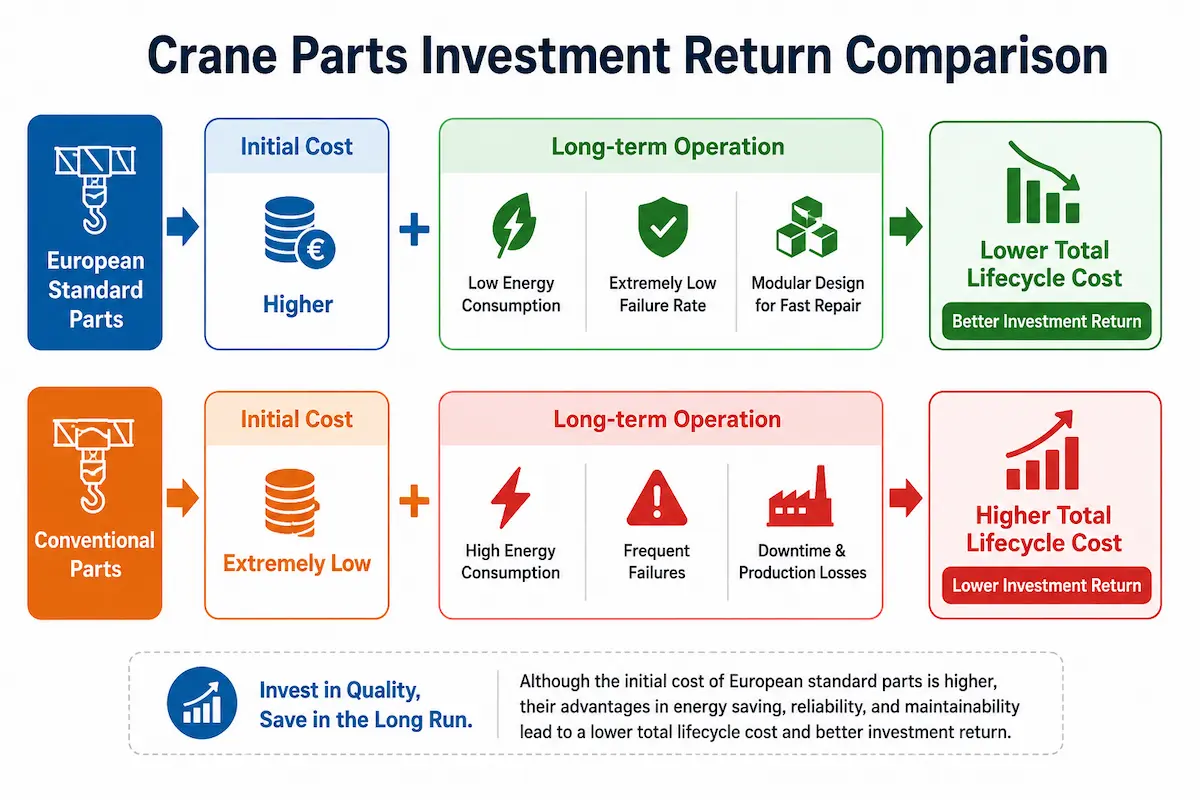
·Standard Components: Though initial purchase costs are 30% – 50% lower, high-frequency operation leads to frequent overhauls. Unplanned downtime can halt entire production lines, with potential losses far exceeding the initial price gap.
·Euro-Spec Components: Despite higher initial investment, they deliver 20% – 30% energy savings, year-long maintenance-free periods, and minimal unplanned downtime. The premium cost is typically recovered within 2 to 3 years through power and maintenance savings, achieving higher long-term ROI.
Why Choose HSCRANE Euro-Spec Cranes?
·Premium Euro-Spec Core Components: We utilize original or equivalent quality FEM/DIN standard drive and control modules. Lifting and traveling mechanisms integrate hard-tooth gearboxes, electromagnetic disc brakes, and high-duty variable frequency motors. Core components hold CE certification, ensuring rigorous German-quality standards and high safety margins.
·Low-Headroom Design Maximize Space: Leveraging compact, modular European structures, the hook approach limit is reduced by over 30% compared to traditional cranes. This low-headroom design lowers building height requirements for new factories or increases effective lifting height in existing facilities, saving 10%-15% in civil construction costs.
·Stable and Precise Operation: The entire line features high-performance vector control frequency inversion, supporting multi-speed modes and stepless speed regulation. Micro-inching delivers millimeter-level positioning accuracy. Combined with electronic anti-sway technology, it eliminates start-stop impacts to ensure stable, sway-free handling of precision molds or heavy loads.
·Energy Savings and Low Maintenance: Equipped with high-efficiency drive systems, operational energy consumption is cut by up to 30% compared to traditional models. Thanks to modular fast-repair structures, maintenance-free gearboxes, and self-compensating brakes, the overhaul interval for core components is extended to 5-10 years, significantly reducing hidden costs in spare parts and unplanned downtime.
·Strong Customization Capabilities: Our experienced engineering team addresses non-standard operating conditions across industries like steel, precision manufacturing, and automated warehousing. We deliver comprehensive custom crane solutions ranging from non-standard long spans and high duty classes (A5-A8) to specialized grabs and explosion-proof models.
·Global Export Experience: HSCRANE maintains a robust international quality management system, exporting products worldwide. We are fully compliant with import regulations and technical standards across different regions. Our established global after-sales response network guarantees efficient delivery and long-term, stable operation for overseas projects.
When selecting crane components, there is no absolute right or wrong. The key lies in matching the configuration to your actual operating conditions:
·For Long-Term Stability, High Safety, and Ultimate Positioning Efficiency: We strongly recommend prioritizing Euro-spec components. Especially in continuous operations, precision assembly, or high-risk, heavy-duty (A5–A8) environments, the low downtime, low energy consumption, and high life-cycle ROI delivered by Euro-spec components will far outweigh their initial purchase premium.
·For Strict Budget Constraints, Light Duty, and Low Operating Frequency: Standard components, with regular standardization and outstanding cost-performance, serve as a pragmatic, short-term solution while satisfying basic regulatory and operational requirements.
When making final procurement decisions, enterprises must look beyond the initial purchase price. A comprehensive evaluation must include crane duty class, daily utilization rates, environmental safety margins, and the hidden Life Cycle Cost (LCC) caused by downtime. Precise configuration selection maximizes production efficiency and equipment investment returns.
Optimize Your Workshop Efficiency Today
Reduce building construction costs by 15% and cut operational downtime. Contact HSCRANE’s engineering team for a complimentary European standard lifting clearance evaluation and ROI analysis.
【Request a Professional Consultation】
Extended Technical Guide
While the performance difference between Euro-spec and standard components seems small on paper, it leads to vast differences in field applications. Beyond standard selection, what hidden procurement blind spots exist in crane operation and maintenance? Common errors include mistakenly using regular wire ropes for high-frequency conditions or blindly stockpiling non-standard components.
We recommend reading “10 Crane Spare Parts Procurement Mistakes (And How to Avoid Them)“ to ensure zero-accident, long-life equipment operation in your facility from the source.
FAQ: Crane Components Technical Support
Q: What is the delivery lead time for Euro-spec crane components?
A: Ready-stock FEM/DIN hoists and gearboxes ship in 4-6 weeks. Custom or explosion-proof drives require an additional 2-4 weeks. Urgent modules can dispatch within 2 weeks from regional hubs.
Q: Can HSCRANE provide a project-specific Total Cost of Ownership (TCO) calculation?
A: Yes. Provide your load spectrum, daily operating cycles, and energy rates. We will deliver a comprehensive Life Cycle Cost (LCC) report comparing multiple configurations within 5 working days.
Q: Are Euro-spec spare parts easily accessible? Will it cause long downtime?
A: No. FEM/DIN standards guarantee global structural interchangeability across different brands. We stock common wear parts locally, offering a 4-hour video diagnosis response and 24-hour courier dispatch to reduce Mean Time to Repair (MTTR) by over 60%.
Q: Which component upgrade offers the best safety return on a limited budget?
A: Phase 1: Upgrade to electromagnetic fail-safe brakes and install electronic overload limiters. Phase 2: Implement Variable Frequency Drives (VFD) for hoisting to eliminate mechanical shock and reduce load sway.
Q: Can my existing crane be retrofitted with FEM/DIN components?
A: Yes. We provide free retrofit compatibility assessments based on your structural drawings, rail gauge, and power supply. A 1:1 drive swap is feasible in 85% of cases, supported by a detailed
This document is for reference only. Specific operations must strictly comply with local laws and regulations and equipment manuals.