

Abstract:
This article focuses on crane clamp selection and systematically analyzes matching clamp types to lifting application requirements. It introduces steel plate clamps, coil clamps, pipe clamps, lifting beams, combination clamps, bulk grabs, and customized clamps. The article explains structural features and application advantages across typical industries and operating conditions. It highlights key selection factors including load characteristics, environment, safety compliance, and crane system compatibility. Comparative application analysis clarifies selection logic for different clamp types. Combined with HSCRANE strengths, it emphasizes scientific selection improving safety, efficiency, and overall lifting value.
Crane clamp is a key component directly contacting the load within a lifting system. Proper selection directly affects lifting safety and operational efficiency. Improper selection may cause load instability, slipping, or equipment damage. Such risks increase safety hazards and affect production schedules. Different industries and conditions vary in load form, weight, and environment. Crane clamp must be scientifically matched to application requirements for safe and stable operation.
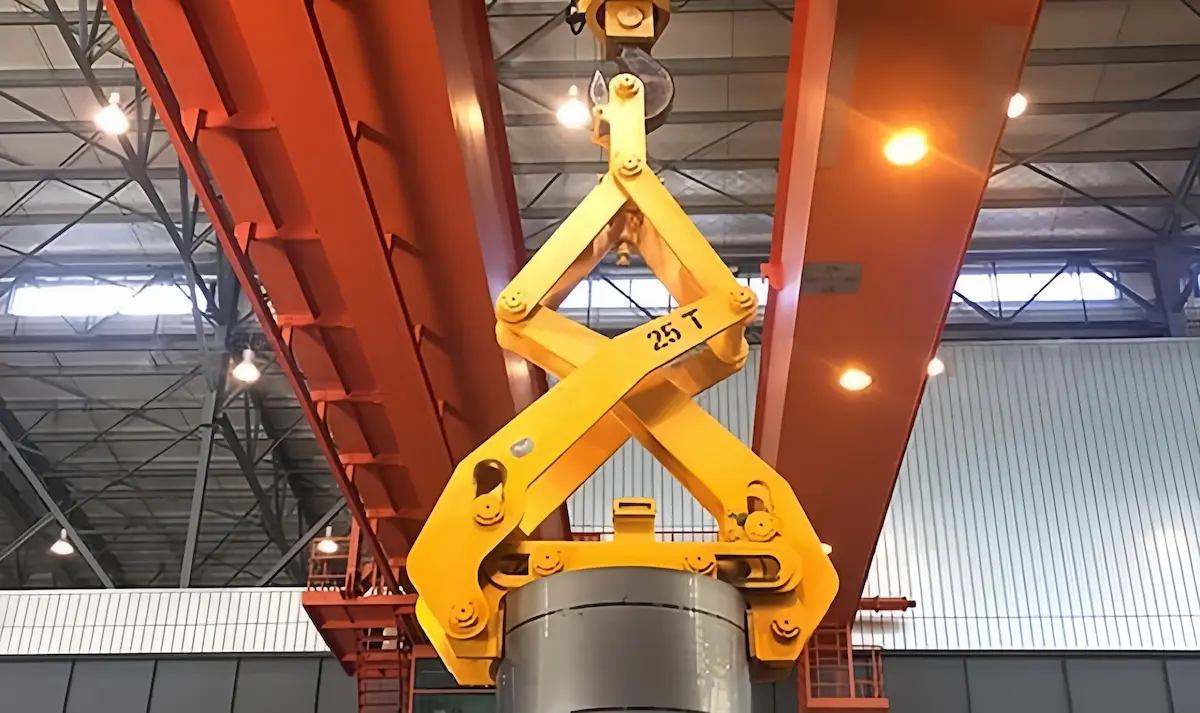
Basic Types of Crane Clamp
Steel Plate Clamp
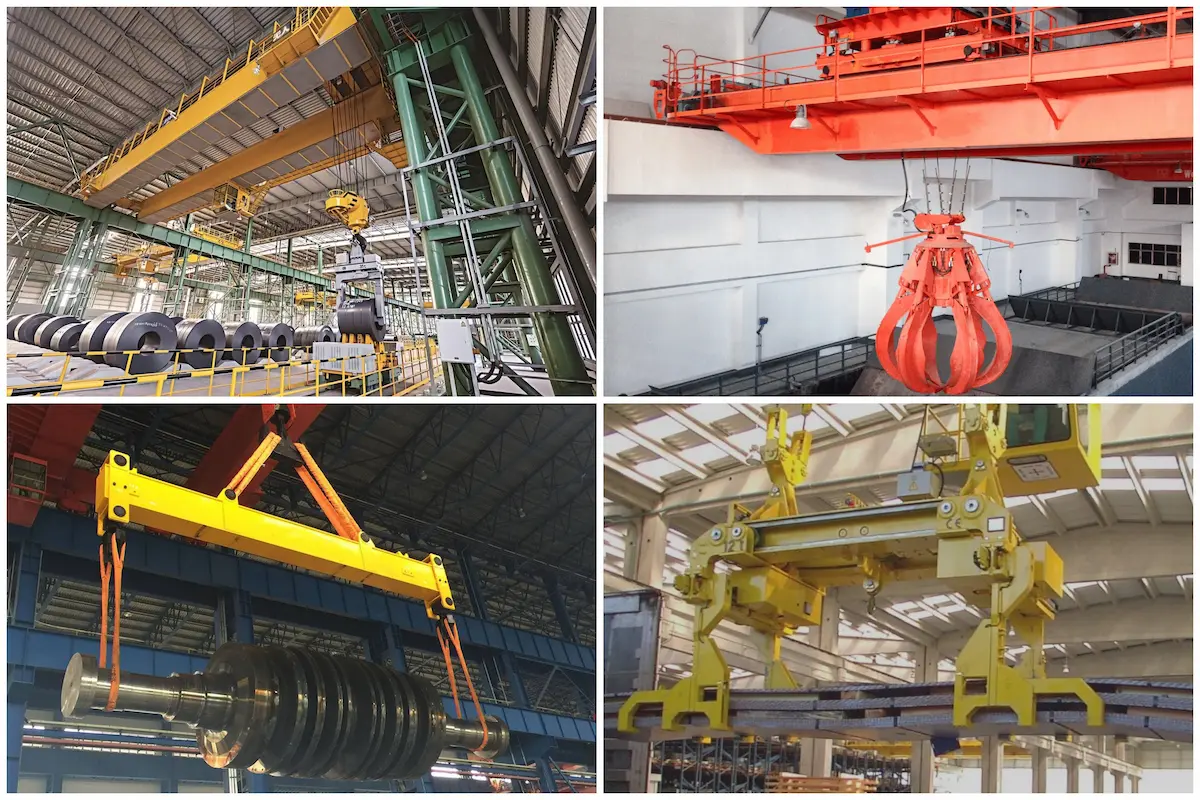
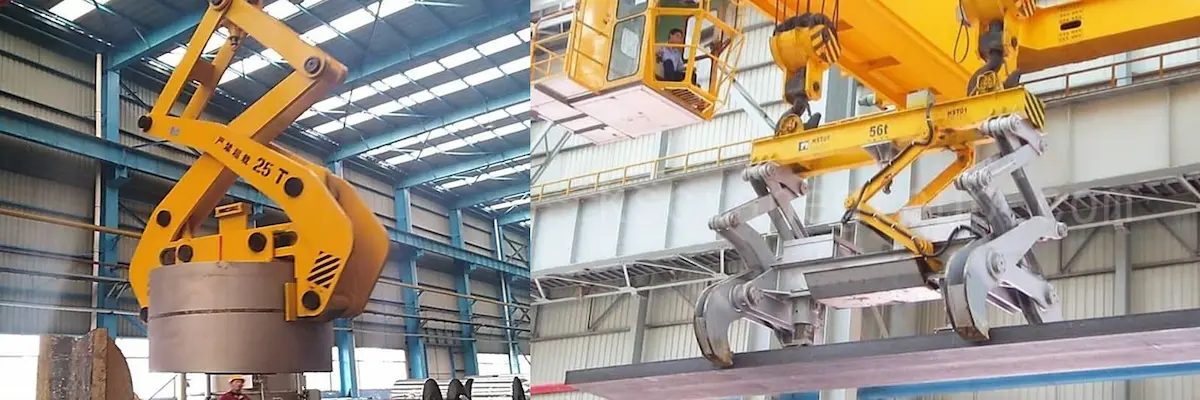
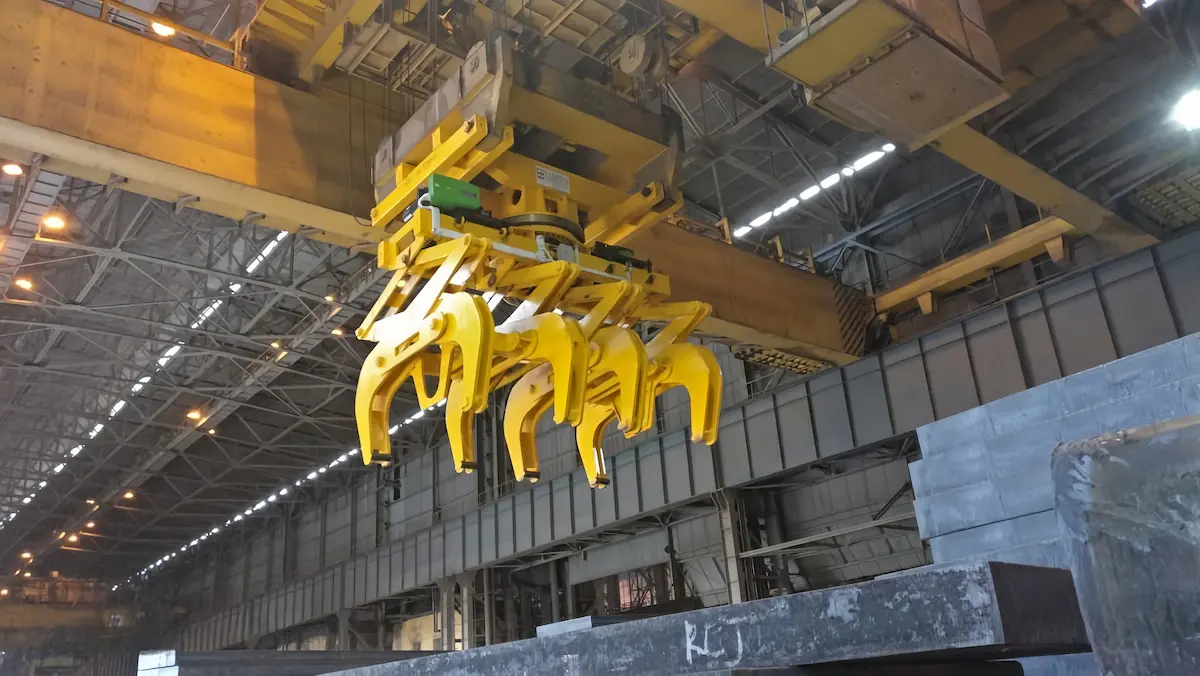
Steel plate clamp is mainly used for lifting single or multiple steel plates by gripping plate edges.
•Features: Steel plate clamp uses mechanical self-locking or lever clamping structures, enabling single-point or multi-point gripping.
•Application advantages: Suitable for horizontal or vertical lifting of steel plates and profiles, offering firm gripping and flexible operation.
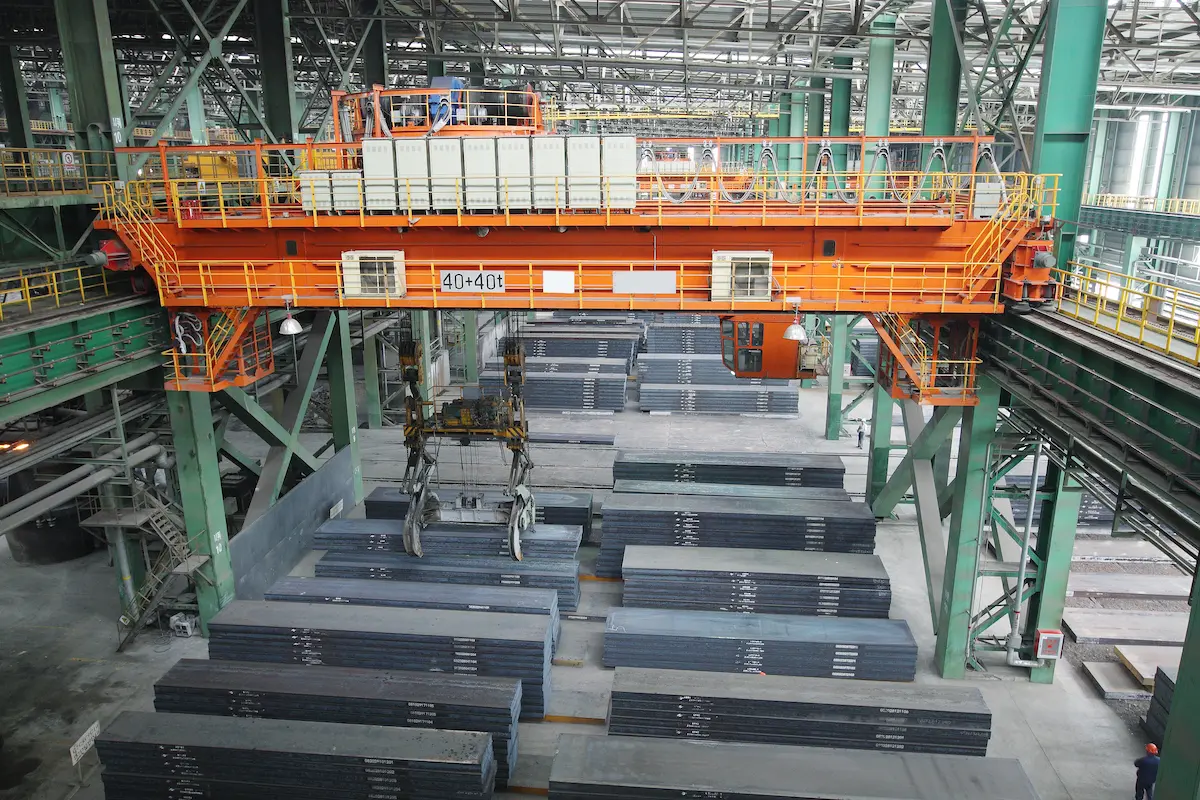
Coil Clamp
Coil clamp is suitable for lifting cylindrical coil materials such as steel coils.
•Features: Coil clamp adopts internal support or external gripping structures, ensuring uniform load distribution and reduced deformation.
•Application advantages: Suitable for horizontal or vertical lifting of steel coils and aluminum coils.
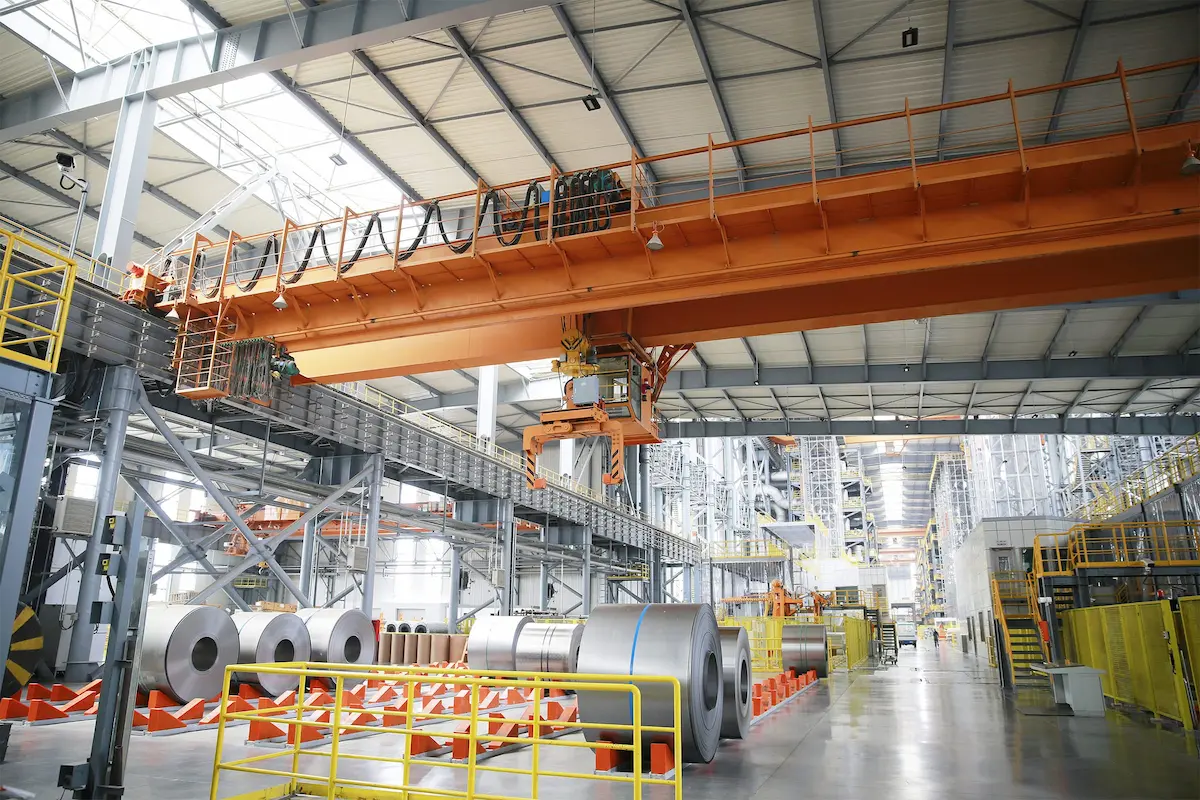
Pipe clamp
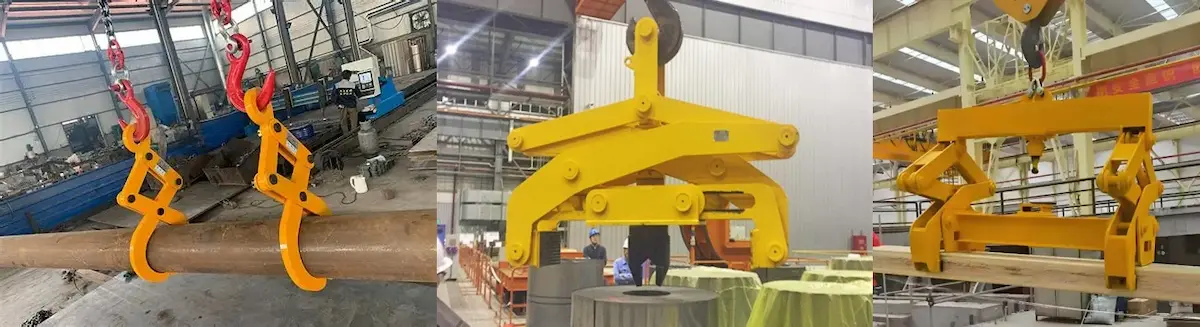
Pipe clamp is designed for lifting pipes and tubular materials with anti-rolling protection.
•Features: Pipe clamp uses multi-point gripping or curved contact structures to prevent rolling and eccentric loading.
•Application advantages: Suitable for pipes and cylindrical components, improving stability and reducing manual assistance needs.
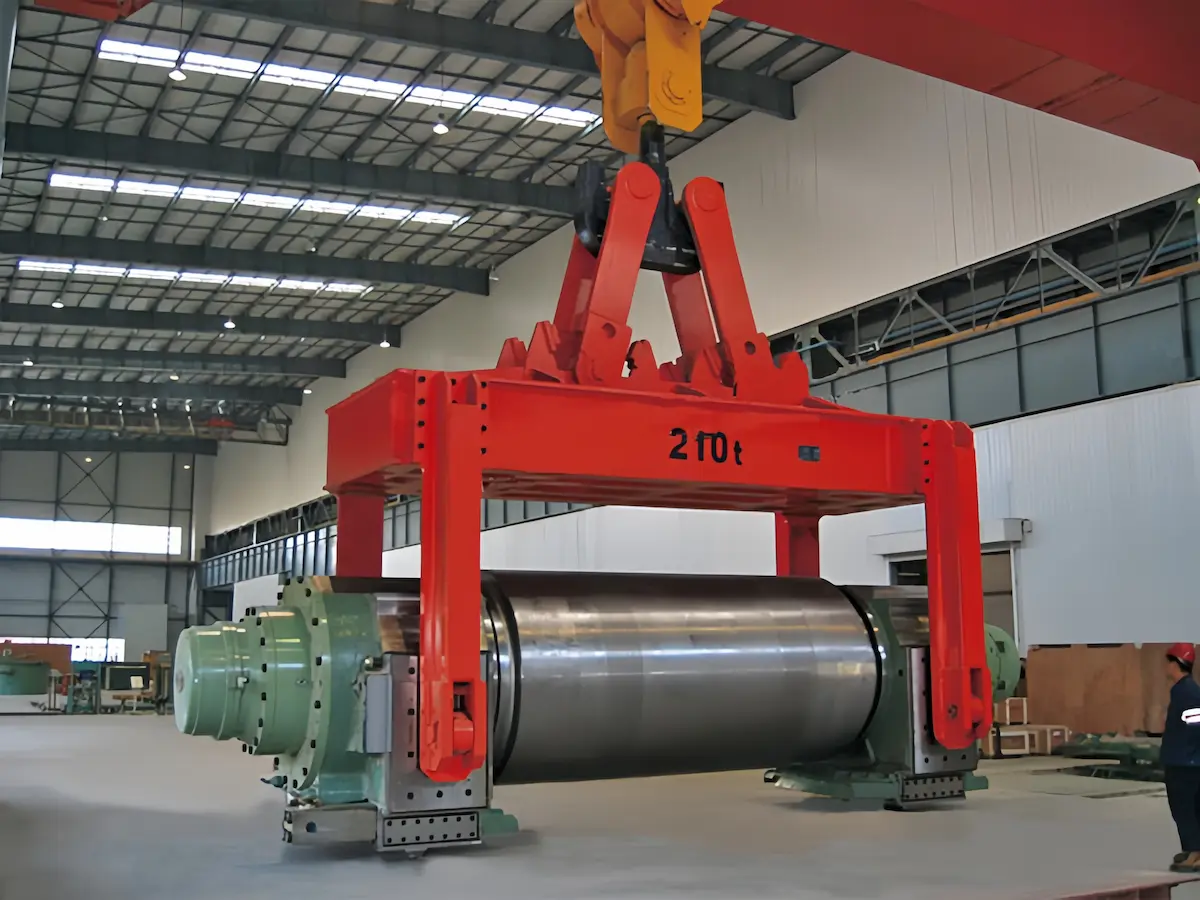
Lifting Beam and Combination Clamp
Lifting beam and combination clamp are used for large-span, heavy, or irregular components with multi-point load sharing.
•Features: Lifting beam enables flexible combinations and balanced force distribution across multiple lifting points.
•Application advantages: Suitable for oversized or irregular loads, reducing single-point stress risks and improving overall safety.
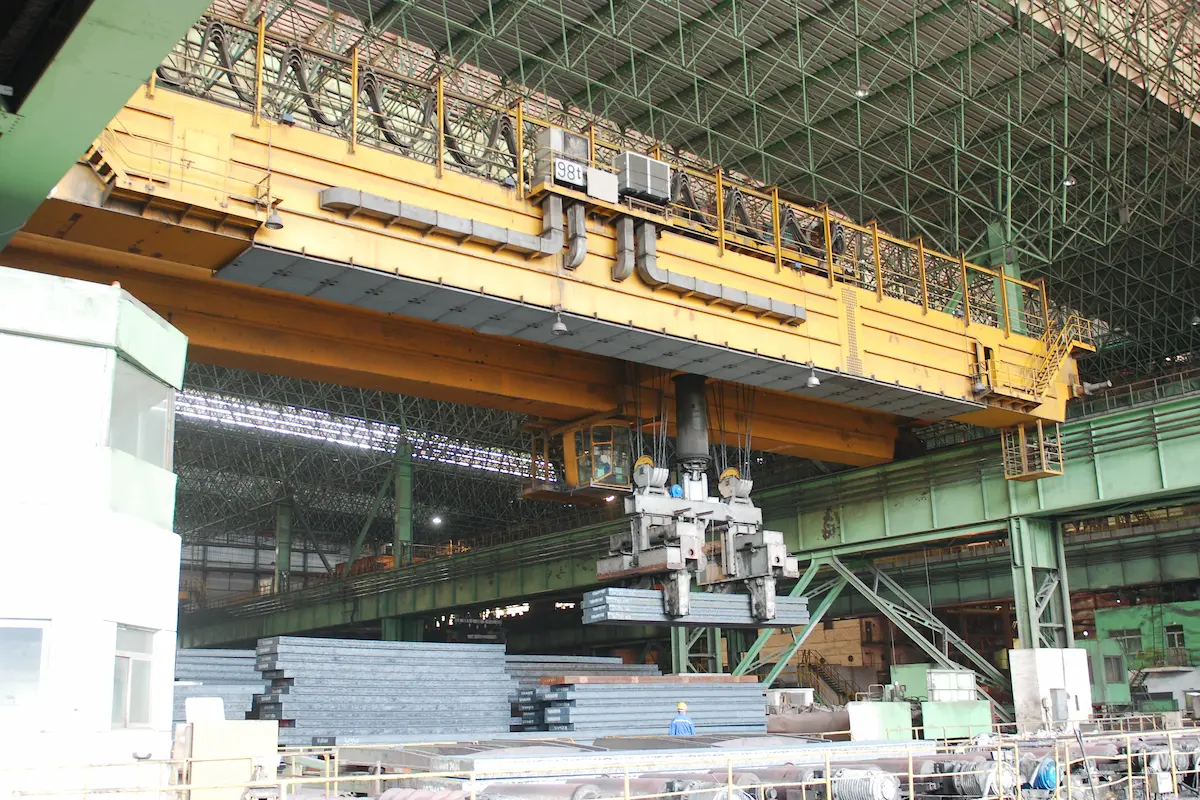
Bulk Material Grab
Grab is a specialized lifting device for bulk and block materials such as coal and ore.
•Features: Grab uses opening and closing mechanisms and includes mechanical, electric, and hydraulic types.
•Application advantages: Suitable for bulk material handling with high efficiency and automation in ports and power plants.
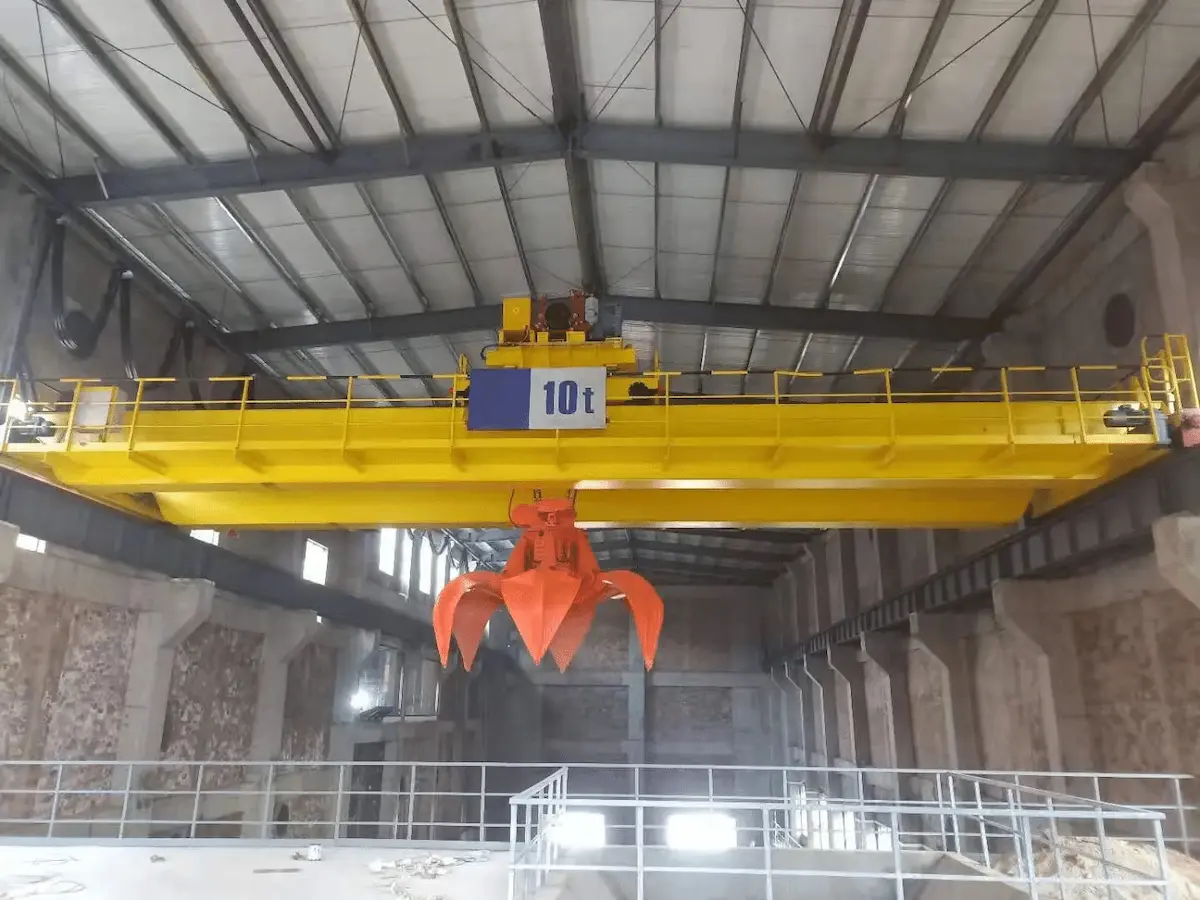
Customized Special Clamp
Customized special clamp is developed for special conditions or non-standard loads with personalized designs.
•Features: Customized special clamp offers flexible structures and functions, achieving high compatibility with crane systems.
•Application advantages: It meets special shape, environment, or safety requirements beyond standard clamp capabilities.
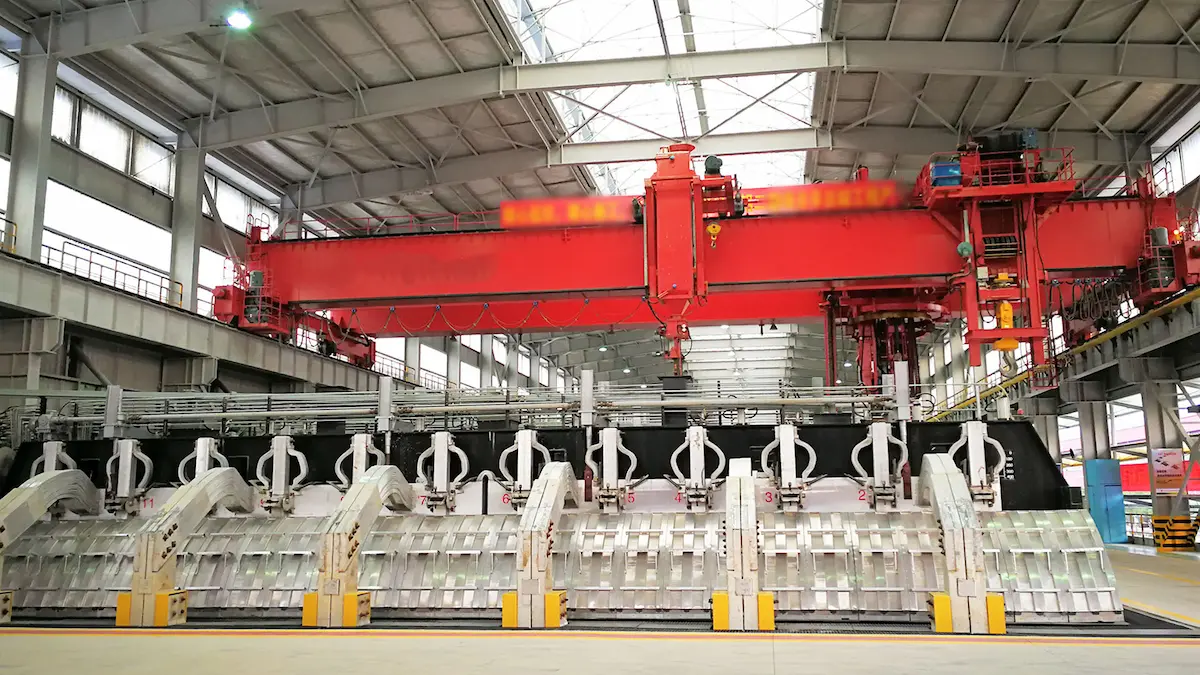
Typical Application Industries for Different Crane Clamp
|
Application Industry |
Main Lifted Materials |
Common Crane Clamp Types |
Application Features and Selection Considerations |
| Steel metallurgy and metal processing | Steel plates, steel coils, profiles, pipes | Steel plate clamp, coil clamp, pipe clamp, lifting beam and combination clamp | Heavy loads and frequent operations require high strength, wear resistance, and anti-slip performance |
| Ports, terminals, and bulk logistics | Coal, ore, grain, bulk materials | Bulk grab, electric grab, hydraulic grab, combination lifting device | High loading efficiency and complex conditions require capacity, sealing, and corrosion resistance |
| Power plants, mines, and environmental industries | Coal, ore, slag, domestic and industrial waste | Grab, heavy-duty lifting beam, customized special clamp | Harsh environments with dust and corrosion require high reliability and sealing performance |
| Manufacturing workshops and assembly lines | Components, finished parts, equipment modules | Steel plate clamp, pipe clamp, combination clamp, customized clamp | Emphasis on precise positioning and safety matching production rhythm and automation level |
Key Considerations for Crane Clamp Selection
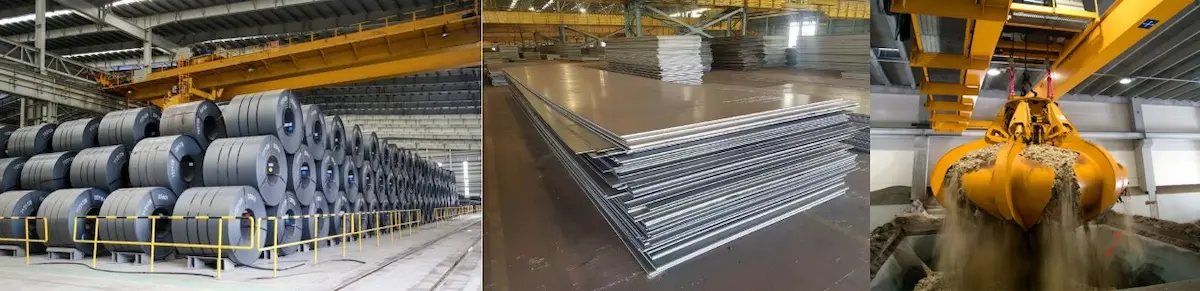
Characteristics of the Lifted or Grabbed Load
Load characteristics are the primary basis for crane clamp selection.
•Define material weight, volume, and geometry to ensure rated capacity and load structure meet requirements.
•Identify whether materials are bulk, block, or finished components, as gripping requirements differ significantly.
•For grab-type clamps, consider surface condition and flowability, including moisture, particle size, and stacking behavior.
Lifting Conditions and Operating Environment
The operating environment significantly affects crane clamp design and material selection.
•Indoor or outdoor use: Determine exposure to wind load, rain, and temperature variation.
•Dusty, high-temperature, or corrosive environments: Clamps require wear resistance, heat resistance, and corrosion protection.
•Continuous operation frequency and automation needs: High-frequency operations require higher reliability and lower maintenance.
Safety and Compliance Requirements
Safety is the core principle in crane clamp selection.
•Rated load and safety factor: Clamp capacity must match operating conditions and design standards.
•Grab closing force and anti-leakage design: Prevent material spillage during lifting and transportation.
•Applicable industry standards and regulations: Ensure long-term operational safety and regulatory compliance.
Compatibility with the Crane System
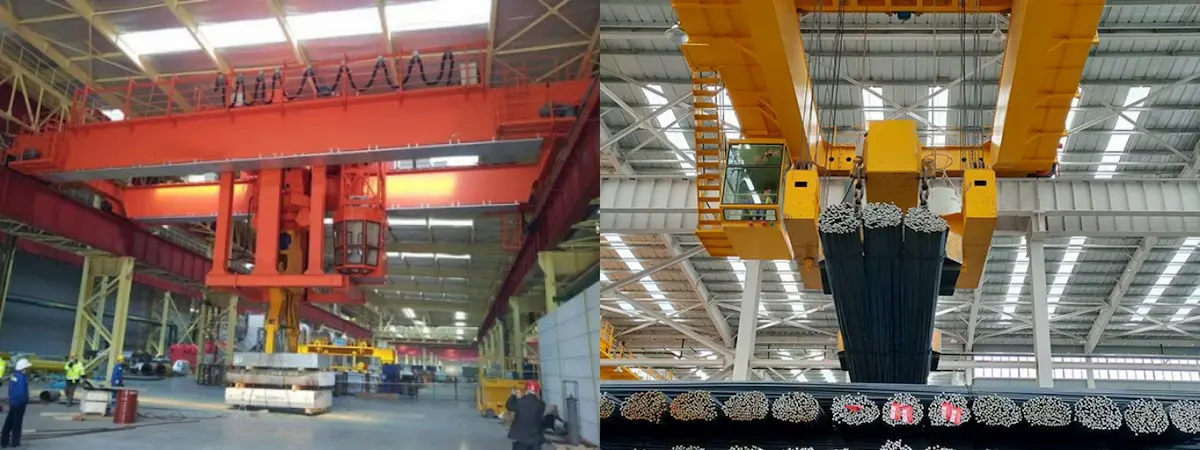
Crane clamp must match the complete lifting system.
•Clamp types should be structurally and functionally compatible with overhead crane and gantry crane systems.
•Powered clamps such as grabs must coordinate with hoisting mechanisms and electrical control systems.
•Electric grabs require compatible power supply, control circuits, and operating logic.
Recommended Clamp Matching for Different Lifting Application Scenarios
|
Crane Application Scenario |
Main Materials or Workpieces |
Recommended Clamp Types |
Clamp Matching Recommendations |
Design Key Points |
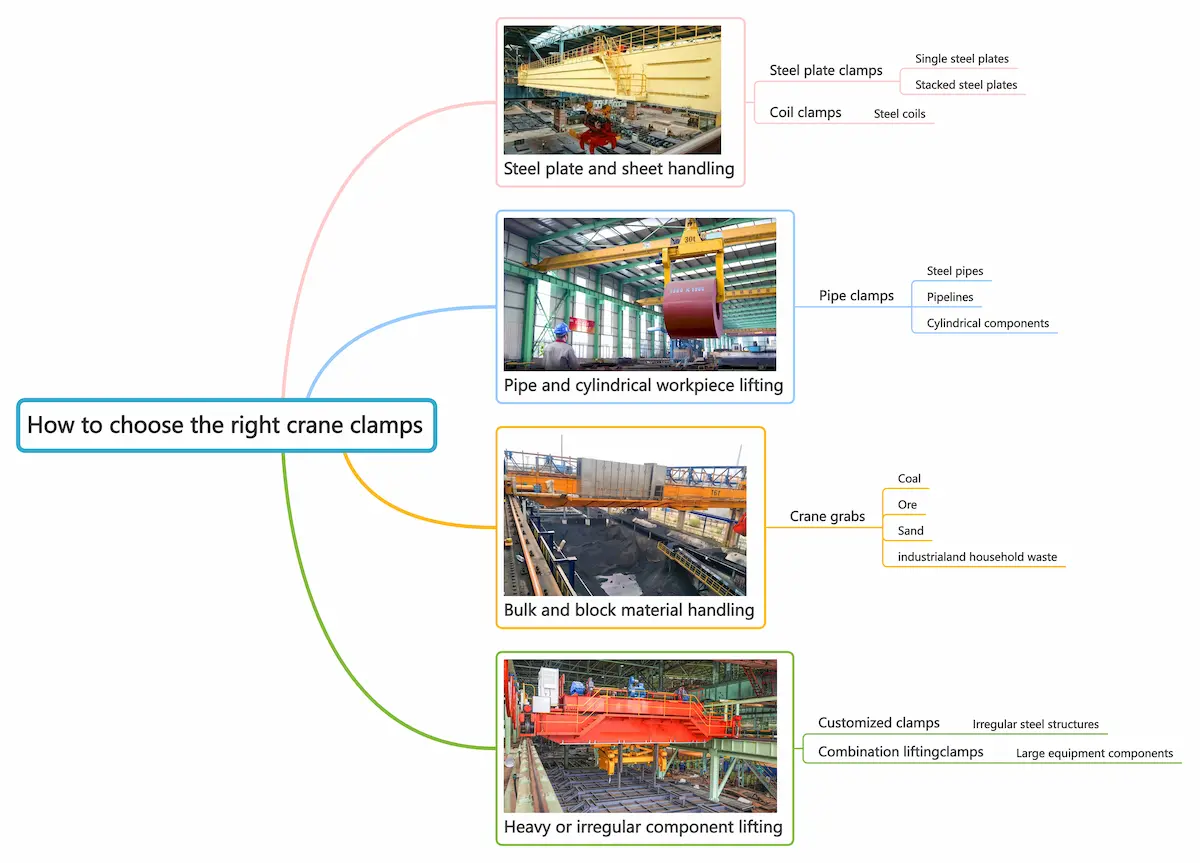
| Steel plate and sheet handling | Single plates, stacked plates, steel coils | Steel plate clamp, coil clamp | Steel plate clamp suits edge gripping and vertical lifting, coil clamp suits cylindrical coils | Focus on anti-slip teeth design, clamping force distribution, and lifting stability |
| Pipe and cylindrical workpiece lifting | Steel pipes, pipelines, cylindrical components | Pipe clamp | Use curved contact or multi-point gripping to ensure uniform force | Prevent rolling and eccentric loading to improve safety and stability |
| Bulk and block material handling | Coal, ore, sand, domestic and industrial waste | Bulk grab, electric grab, hydraulic grab | Different materials require different capacity, strength, and sealing | Match opening size and closing force to reduce spillage and improve efficiency |
| Heavy or irregular component lifting | Large equipment parts, irregular steel structures | Customized clamp, lifting beam and combination device | Customized design with multi-lifting points ensures load balance | Focus on structural strength, load distribution, and overall stability |
HSCRANE Crane Clamp Product Advantages
•Rich product range and customization capability: Offers steel plate clamp, coil clamp, pipe clamp, grab, and combination clamp solutions. Supports non-standard customization based on material characteristics, environment, and operating conditions.
•High safety standards and reliable performance: Structural design and strength verification follow industry standards, ensuring rated load and safety factors meet requirements. Key components use high-strength, wear-resistant, and corrosion-resistant materials.
•High compatibility with complete lifting solutions: Clamp designs are developed with HSCRANE crane systems for structural, power, and control compatibility. Seamless integration with overhead crane, gantry crane, and jib crane improves operational efficiency.
•Comprehensive technical support and after-sales service: HSCRANE provides professional selection consultation, installation guidance, operation training, maintenance advice, and after-sales support.
Selecting the right crane clamp is essential for safe, efficient, and economical lifting operations. Proper selection prevents material slipping and equipment damage. It improves operational stability, productivity, and reduces wear and maintenance costs. Matching clamps for plates, pipes, bulk materials, or irregular loads maximizes overall lifting system value. Scientific selection delivers long-term safety, reliability, and economic benefits.
Contact HSCRANE to receive professional crane clamp and complete lifting system solutions. Let your lifting operations become safer, more efficient, and more reliable.
Click “Enhancing Lifting Precision: Structure and Working Principles of Crane Tongs” to learn clamp types, applications, and safe operation guidelines.
FAQ
Q1: What is the most important factor in crane clamp selection?
A1: Load characteristics including weight, size, shape, and material type are most important. Environment, safety factors, and crane compatibility must also be considered.
Q2: What is the difference between steel plate clamp and coil clamp?
A2: Steel plate clamp is for edge gripping and vertical lifting of plates. Coil clamp is designed for cylindrical coils with horizontal or vertical lifting.
Q3: How should a suitable grab be selected for bulk material handling?
A3: Select based on material type and focus on capacity, structural strength, sealing performance, and closing force to reduce spillage.
Q4: Are all crane clamps universally applicable?
A4: No, different clamps are designed for specific materials and conditions. Heavy or irregular loads usually require customized or combination solutions.
Q5: What problems arise from clamp and crane system mismatch?
A5: Mismatch may cause uneven loading, instability, and safety system interference. Powered clamps may face power or control incompatibility.
Q6: Can HSCRANE provide clamp selection and customization support?
A6: Yes, HSCRANE offers professional selection consulting and non-standard customization integrated with complete crane systems.
This document is for reference only. Specific operations must strictly comply with local laws and regulations and equipment manuals.