

Overview
In heavy equipment design, matching crane wheels and rails is an underestimated link. Wheels bear loads and guide the equipment smoothly. Poor matching causes frequent rail gnawing and severe vibration. It can even trigger flange tearing or derailment accidents. Many mistakenly think tonnage alone decides wheel and rail types. Actually, proper rail selection is precise system engineering. It involves matching tread width and flange thickness perfectly. We will analyze the matching logic from a practical perspective. This helps you avoid pitfalls and reduce expensive maintenance costs.
Are you selecting wheels or rails for your crane?
Provide crane type, rated load, wheel pressure, rail, and size. HSCRANE can help you initially match suitable wheel solutions.
[Click here to contact HSCRANE for the best solution]
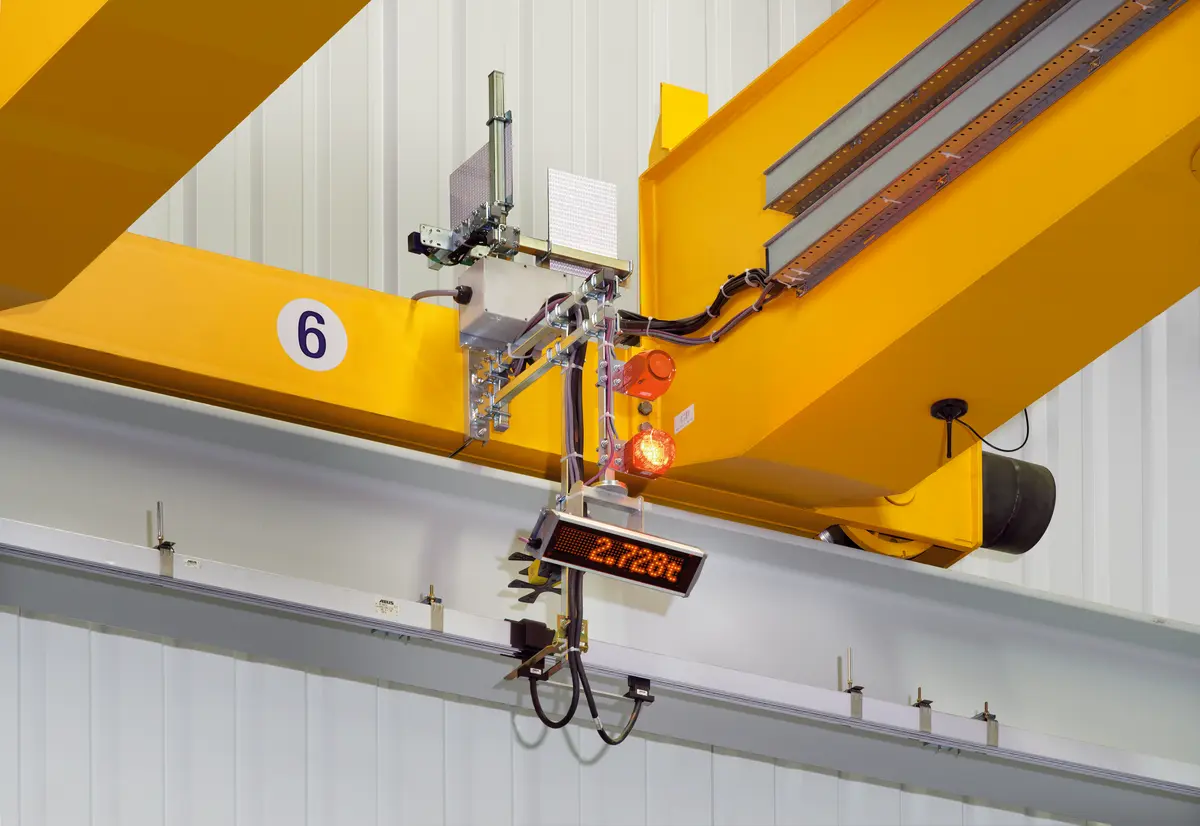
What parameters to consider for matching crane wheels and rails?
Insiders know matching crane wheels and rails is crucial. It requires comprehensive dynamic force consideration, not just manuals. To avoid gnawing and wear, focus on 9 core parameters:
|
Core Evaluation Parameters |
Main Impact on Matching Status |
Practical Selection Advice |
| Crane rated lifting capacity | Determines static load on contact surface. | Larger tonnages need wider wheels and rails to distribute stress. |
| Max wheel pressure and distribution | Directly affects rail crushing and early wheel fatigue. | Verify rail capacity using max pressure under full load. |
| Crane span and running speed | Increases running deflections and lateral forces. | Large spans need more clearance and anti-deflection devices. |
| Working class and frequency | Determines wear speed. Heavy-duty classes multiply fatigue risks. | Hardness gradients of crane wheels and rails matter most. |
| Rail model and top width | Baseline for determining wheel tread width. | Tread width must exceed rail top by 20-40mm. |
| Wheel tread width | Affects contact area and pressure distribution. | Must tightly fit flat or convex rail tops. Conical treads must accurately match rail inclinations. |
| Wheel flange height and thickness | Guides cranes and prevents derailments. | Must catch rail sides without touching joint splices. Thickness must resist max lateral impacts. |
| Wheel material and hardness | Determines if wheel cuts rail or vice versa. | Wheel tread hardness should slightly exceed rail hardness. Avoid extreme hardness gaps. |
| Environment and installation accuracy | Wind and rail straightness consume designed safety clearances. | For outdoor ports or old plants, choose wide flange spacing. This helps adapt to snake-like rail distortions. |
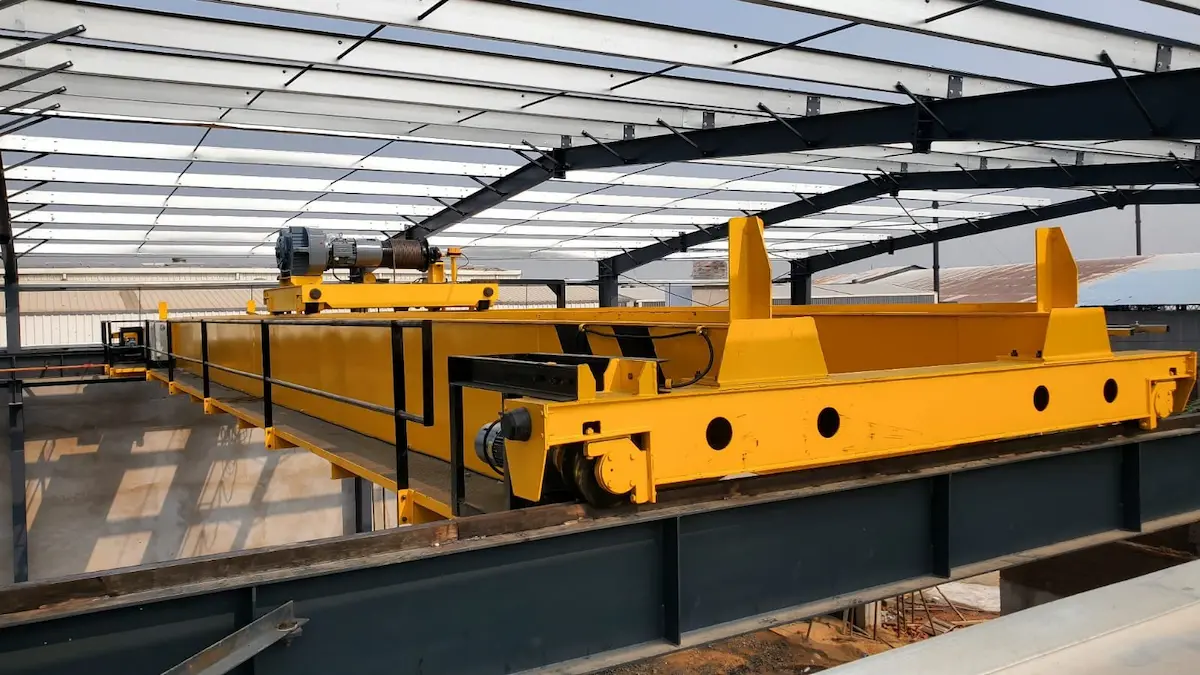
Common Crane Rail Types and Applicable Scenarios
Different working conditions have varying load and guidance requirements. Choosing the right base ensures long-life operation of crane wheels and rails. Do not blindly pursue heavy rails or cheap light rails. Scenario adaptation is the real key.
Comparison of Common Rail Types and Typical Scenarios
|
Rail Category |
Shape and Structural Features |
Typical Application Scenarios |
Application Characteristics |
| P-type steel rails (light/heavy rails) | Slightly convex top and narrow base. Categorized by weight per meter (e.g., P24, P43, P50). | Small and medium overhead cranes, in-plant transport cars. | Easy to acquire and low cost. Narrow top is unsuitable for extreme wheel pressures. |
| QU-type dedicated steel rails | Wide flat top, thick waist, wide base, and stable center (e.g., QU70, QU120). | Heavy-duty overhead and gantry cranes, large port equipment. | Designed for cranes to reduce contact fatigue under high wheel pressure. Standard for heavy equipment. |
| Railway steel rails vs dedicated rails | Railway rails prioritize elasticity for high-speed trains. Crane rails prioritize high hardness and large bearing area. | High-speed trains, crane running tracks. | Never reuse old railway rails for heavy cranes. Rail curvature causes stress concentration on crane wheels and early spalling. |
| Square steel rails and special rails | Rectangular or square solid cross-section with flat top. | Small tonnage suspension cranes, slow special trolleys. | Simple installation but poor guidance. Suitable only for light-load, low-frequency scenarios. |

How to Select Rail Types Based on Crane Types
●Bridge cranes: Mainstay for indoor workshops. For A3-A5 classes under 50 tons, P38 or P43 rails suffice. Heavy-duty classes like A7/A8 face high wheel pressure. They must upgrade to QU70 or QU80 rails with induction hardened crane wheels.
●Gantry cranes: Operated outdoors year-round, facing wind loads, thermal expansion, and foundation settlement. Rail straightness deviates easily. Consider side force resistance beyond capacity. Medium and large gantry cranes should use QU rails. Their wide bases fix securely to concrete foundations to resist twisting.
●Port cranes: Equipment like RMGs or quay cranes works 24/7. Wheel pressure and guidance requirements are severe. Heavy port equipment must use QU100 or QU120 rails. Wide flat tops disperse heavy wheel pressures. This reduces delays from replacing crane wheels and rails.
●Heavy industrial cranes: Used in shipyards and power plants. Though running slowly, they carry massive static pressure. They require custom wide-tread crane wheels. Match them with parallel double rails or wide square bases. Contact stress must stay within safe limits.

How to Select Flange Dimensions for Crane Wheels?
In maintenance sites, improper flange sizing causes 80% of derailments or rail gnawing. Flanges are raised parts on sides of crane wheels. Their core mission is guiding equipment and keeping cranes on rails.
Flange dimensions require careful selection across key parameters:
●Flange height determination: Flange height ranges between 20mm and 30mm. It must effectively grip rail sides for guidance. It must never touch rail joint splices or bolts. Excessive height causes severe collision and cuts bolts.
●Flange thickness vs rail width: Flange thickness (15-25mm) determines resistance against lateral shear forces. Large spans put all lateral forces on flanges. Compressing flange thickness causes metal tearing under heavy loads.
●Matching tread width to rail top: Tread width must exceed rail top by 15-20mm for cylindrical treads. For conical treads, it must exceed by 30-40mm. This margin absorbs rail installation tolerances.
●Flange spacing and rail center distance: Clearance equals inner flange spacing minus rail top width. Small clearance causes immediate rail gnawing noises. Large clearance causes snake-like walking and structural twisting.
●Why avoiding high or thin flanges: Excessive height interferes with rail fasteners. Thin flanges snap directly under extreme lateral forces.
●Safety margin: Reserve a 3-5mm wear margin during selection of crane wheels and rails. Initial design thickness must exceed minimum safety cross-sections.
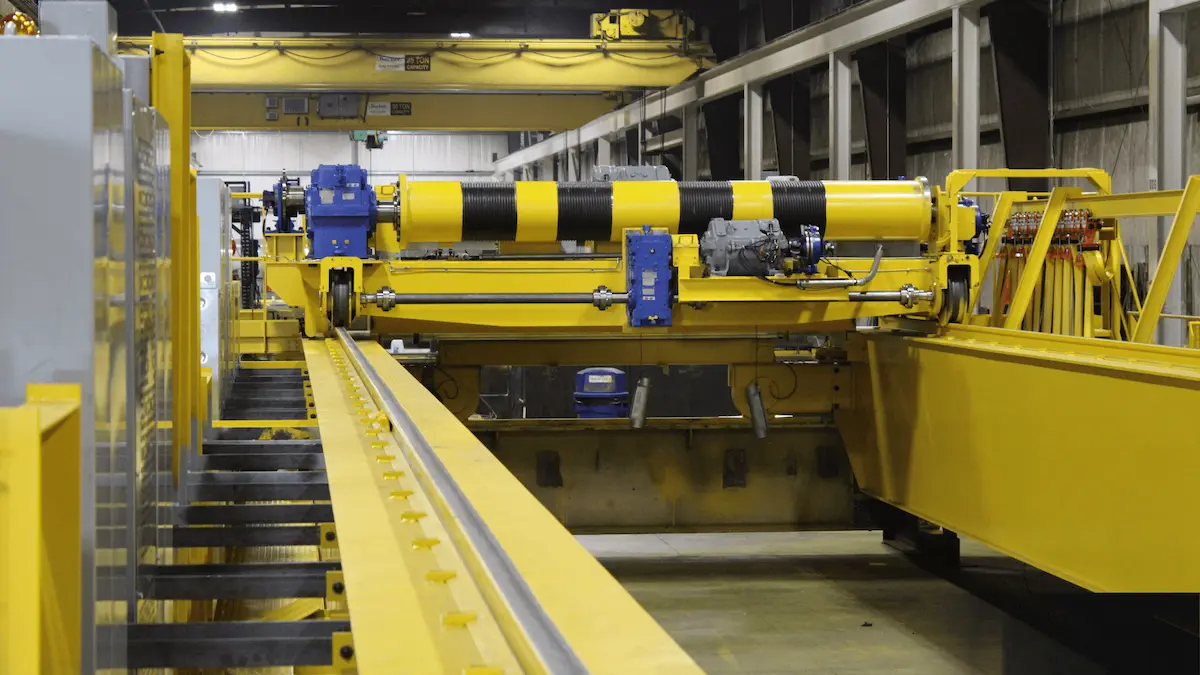
Calculation and Judgment Methods for Matching Crane Wheels and Rails
Matching design relies on rigorous engineering calculation and verification logic. For extreme applications like 400-ton yacht lifts, minor wheel pressure calculation errors cause disaster. These errors lead to severe track settlement or wheel breakage later.
●Wheel selection by maximum wheel pressure: It depends on maximum reaction force (Pmax) at full load and limit position. This value determines required wheel diameter and forged steel grade like 42CrMo.
●Rail selection by wheel pressure and duty class: Knowing wheel pressure and duty class allows calculating local compressive stress. This determines whether to choose P43 light rails or QU100 heavy rails.
●Tread and rail top width matching: Check formula B≥b+Δ. B is tread width, b is top width, and Δ is lateral displacement. Ensure the load-bearing surface remains fully on the rail top during skewing.
●Clearance check: Perform CAD interference checks on wheel profiles and rail assemblies during drawing phases. Verify that inner flanges maintain over 3mm clearance from clamps under maximum wear.
●Running deviation evaluation: Include wheel manufacturing tolerances, rail parallelism, and structural deformations in calculations. Evaluate their combined impact on the contact point of crane wheels and rails.
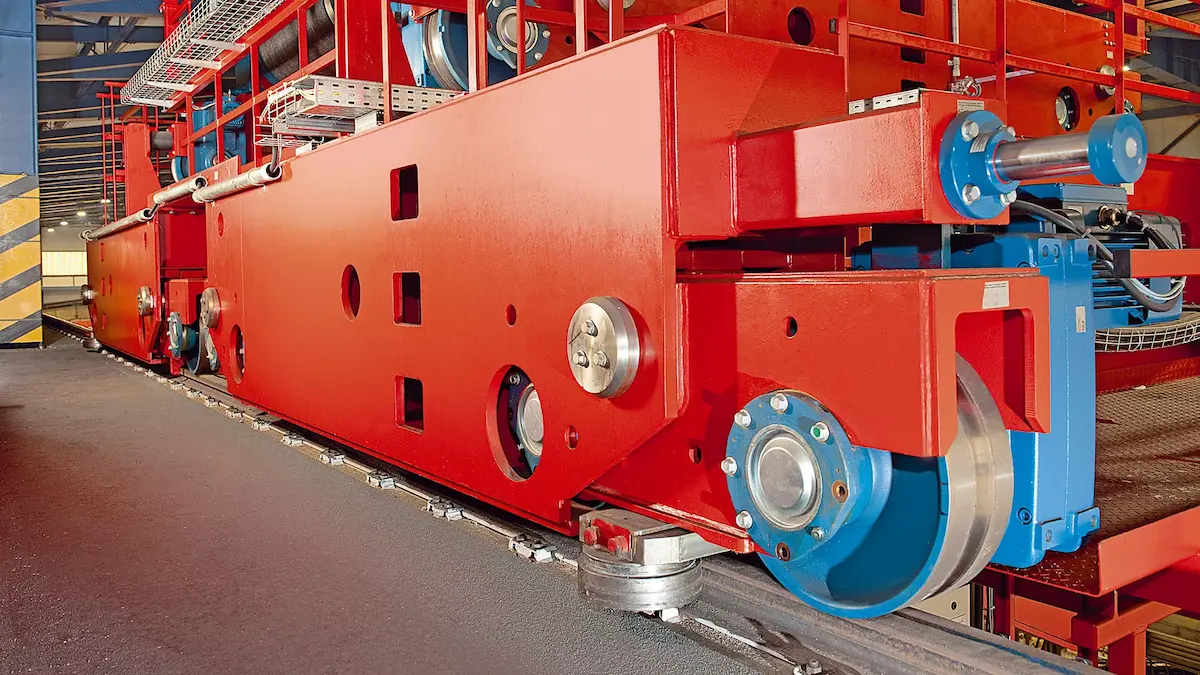
A Typical Example of Matching Crane Wheels and Rails
Engineers usually use the following comparison table for final judgment before factory delivery or acceptance:
|
Matching Item |
Key Inspection Points |
Potential Issues Caused by Mismatch |
| Rail top width | Maintain reasonable clearance with tread width and center contact. | Excessive local stress, uneven wear, derailment, or falling. |
| Flange height | Provide lateral guidance while avoiding rail bolts and splice plates. | Rail collision, jamming, and severe vibration at joints. |
| Flange thickness | Verify lateral yield strength based on span and material. | Flange root fracture under strong crosswinds or skewing. |
| Wheel pressure | Actual wheel pressure under extreme loads must not exceed capacity. | Rail base crushing, concrete cracking, or rail deformation. |
| Wheel hardness | Tread surface hardness must match rail material appropriately. | Extreme hardness differences cause rapid wear on crane wheels and rails. |
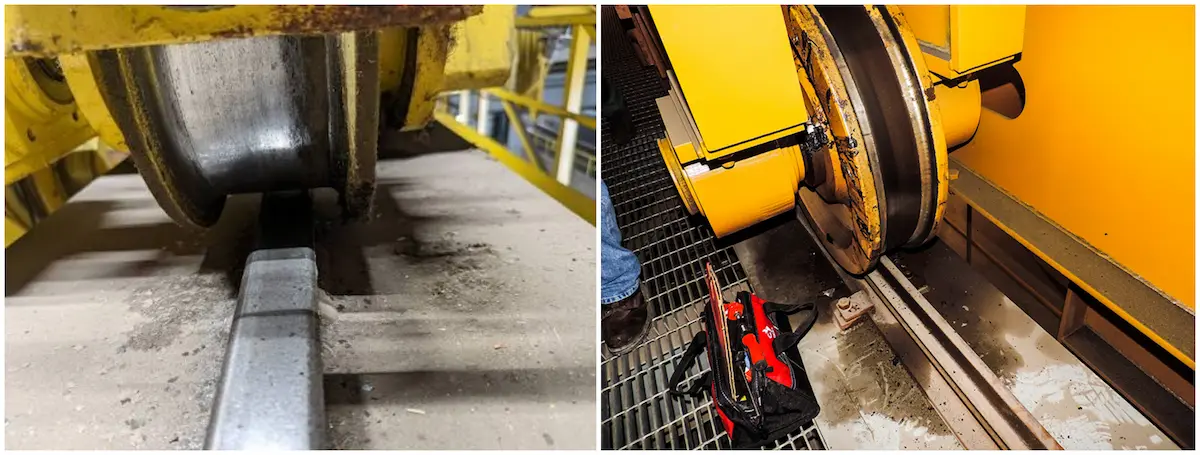
Product Advantages of HSCRANE Crane Wheels
Manufacturing qualified crane wheels is a system engineering process strictly abiding by international standards. HSCRANE know engagement between crane wheels and rails directly determines equipment service life.
●Hardcore design adhering to international standards: Contact stress verification strictly follows FEM 1.001 (Volume 4, Clause 4.2.4) rules. Fatigue limit state verification fully implements EN 13001-3-3: 2014 requirements. Mechanism working classes benchmark ISO 4301-1:2016 standards for heavy-duty operation.
●Dedication to materials and heat treatment: High-strength materials like ZG340-640 cast steel or 42CrMo forged steel are selected. Using medium-frequency surface quenching, hardness is controlled at HB300-380. Quenched layer depth reaches 15-20mm. This gradient ensures high wear resistance without damaging rails.
●Micron-level machining and reasonable flange design: Precision CNC machining keeps wheel diameter and dimensional tolerances tight. We calculate optimal flange height and thickness for QU or P rails. This physically eliminates rail gnawing problems.
●Full lifecycle turnkey service: We offer standard wheels and 100% non-standard customization for crane wheels and rails. Every batch undergoes ultrasonic flaw testing, hardness, and CMM inspection before delivery. Our technical team provides one-stop technical support for wheel selection.
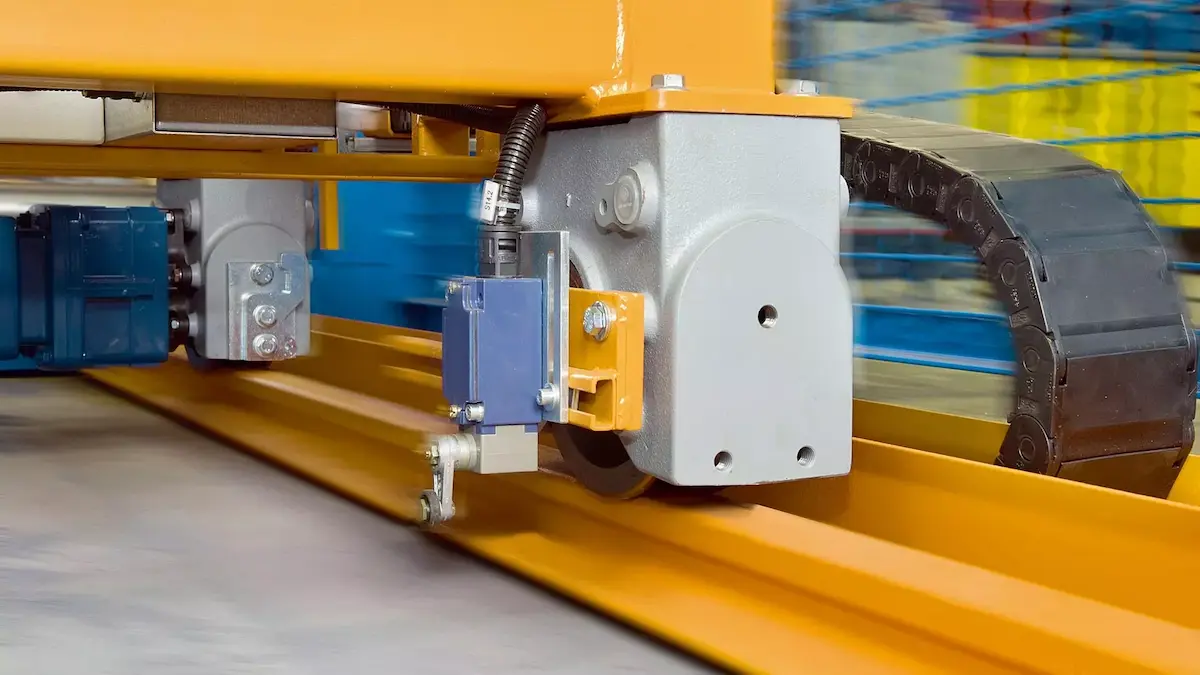
Inspection and Maintenance After Installation of Crane Wheels and Rails
Commissioning is just the first step. Under heavy loads, daily check-ups of crane wheels and rails are vital to prevent breakdowns and extend service life. Experienced maintenance staff follow strict routines and watch core indicators:
●Check status and listen to sound: Noise is an early warning. Screeching friction or periodic vibration indicates severe rail gnawing or bearing spalling. Check contact status immediately. Normal friction leaves a bright center band, while side shifts mean deviation.
●Strictly control wear limits: Do not wait for failure. Replace wheels when tread wear reaches 15% or flange thickness drops by 50%. Replace wheels immediately if even minor cracks appear to prevent fracture and derailment.
●Track and deviation mapping: Check rail joints regularly for sinking, looseness, or deformation. Use laser rangefinders or wire pulling methods periodically to check bridge crane running deviations.
●Find root causes before fixing: Do not just replace broken wheels. If track parallelism or bridge structure deformation remains unfixed, new wheels will fail within months.
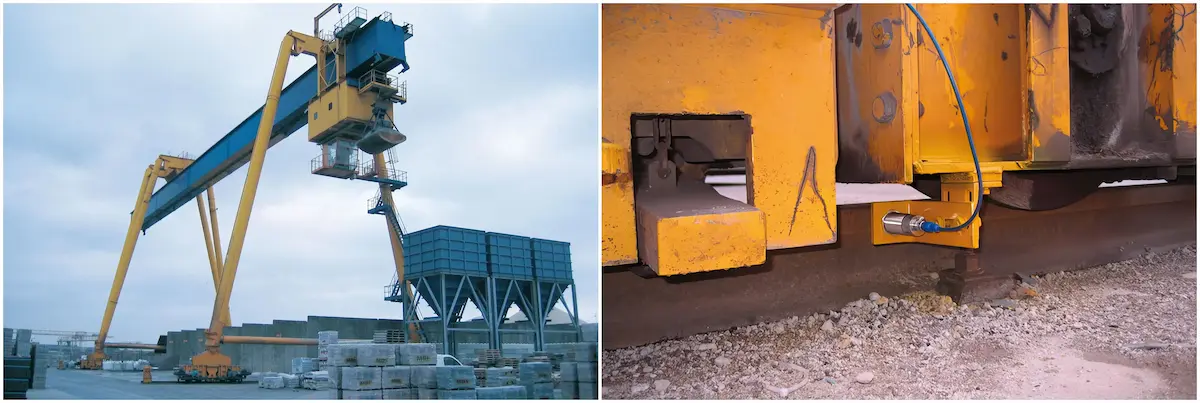
Conclusion
Matching crane wheels and rails is never a simple procurement task. From P-type light rails to QU-type heavy rails, every millimeter of error amplifies into hidden hazards under heavy loads.
Choosing right crane wheels protects expensive track systems and ensures operational safety. Whether upgrading old plants or planning new port projects, precision calculation and custom design are essential for survival.
Do you face stubborn rail gnawing?
Do you need a reliable wheel and rail matching solution? Stop running equipment with faults.
[Contact HSCRANE engineers now for free wheel-rail diagnosis and custom solutions]
Want more real-world insights?
See how theory applies to bridge cranes facing heavy loads and foundation settlement:
[Read our guide: Overhead Crane Wheel Applications: A Complete Industry Selection Guide]
FAQ
Q1: Why do newly replaced crane wheels wear unevenly after months? Is the material too soft?
A: Over 90% of issues stem from geometric mismatch, not material quality. Diagonal errors or poor rail parallelism cause crab-walking and continuous gnawing. Conduct panoramic track mapping first.
Q2: Can we customize wider crane wheels to make do with severely worn old rails?
A: It works for short-term emergency use, but long-term use is not advised. Worn rails cause rigid interference with new treads, creating high stress and accelerating fatigue. Repairing or replacing rails is the fundamental cure.
Q3: When must standard P-type rails upgrade to QU-type crane rails?
A: Upgrade when work classes reach A6 and above, or when wheel pressure nears track limits. QU rails offer wide flat tops to lower local contact pressure for heavy-duty conditions.
Q4: Are thicker and higher wheel flanges better at preventing derailments?
A: No. Excessively high flanges hit splice plates at joints, causing jamming. Excessively thick flanges compress tread widths and reduce horizontal floating margins. Balance span and installation errors properly.
This document is for reference only. Specific operations must strictly comply with local laws and regulations and equipment manuals.