

Abstract
In a Waste-to-Energy (WtE) plant, your crane is the heartbeat of the operation. However, the continuous exposure to hydrogen sulfide ($H_2S$), highly acidic leachate, and abrasive dust destroys standard crane parts in months. When a grab or gearbox fails, the entire feeding process stops—costing thousands of dollars per hour.
To achieve long-term, uninterrupted operation (FEM M8 duty class), waste handling crane parts require specialized engineering. This guide breaks down the critical technical requirements—from C5-M anti-corrosion coatings to IP66 sealing systems—showing you how upgrading your crane components can drastically reduce your Total Cost of Ownership (TCO) and eliminate unplanned downtime.
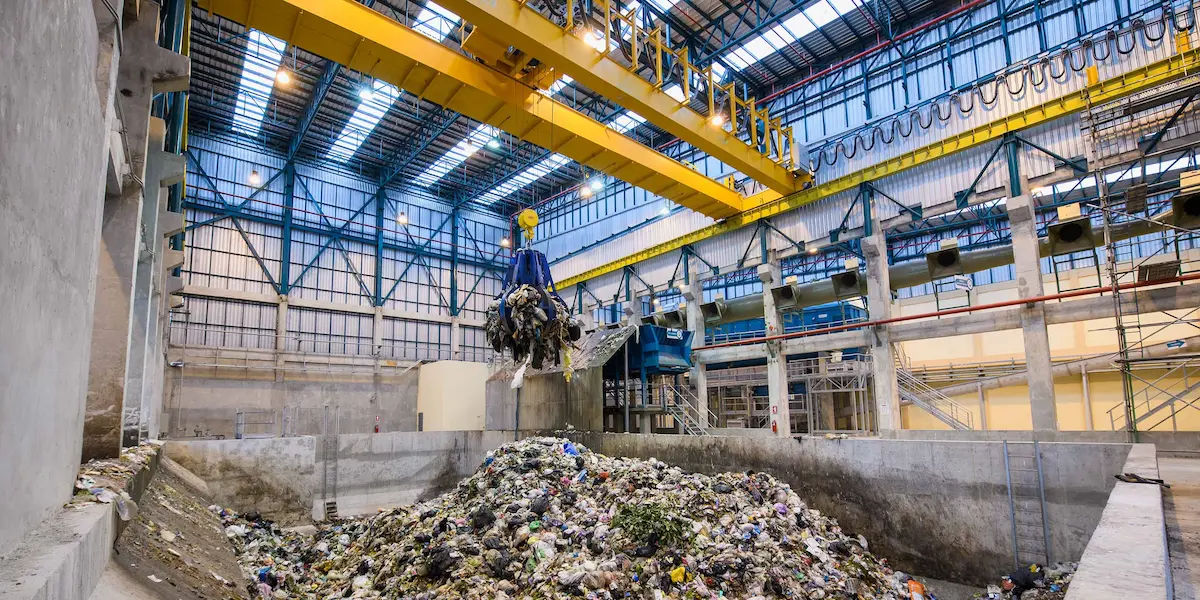
Waste treatment plant environments feature high corrosion, heavy dust, and extreme heat and humidity, where cranes handle vital grabbing, mixing, and feeding functions. The quality of crane parts directly determines the operational stability and service life of the entire system. To address metal fatigue and electrical failure under extreme conditions, it is essential to optimize the design of crane parts regarding materials, sealing, and redundancy. This ensures low-failure, long-cycle operation. High-quality crane parts not only withstand harsh conditions but are also the technical core for reducing Total Cost of Ownership (TCO) and ensuring waste treatment efficiency.
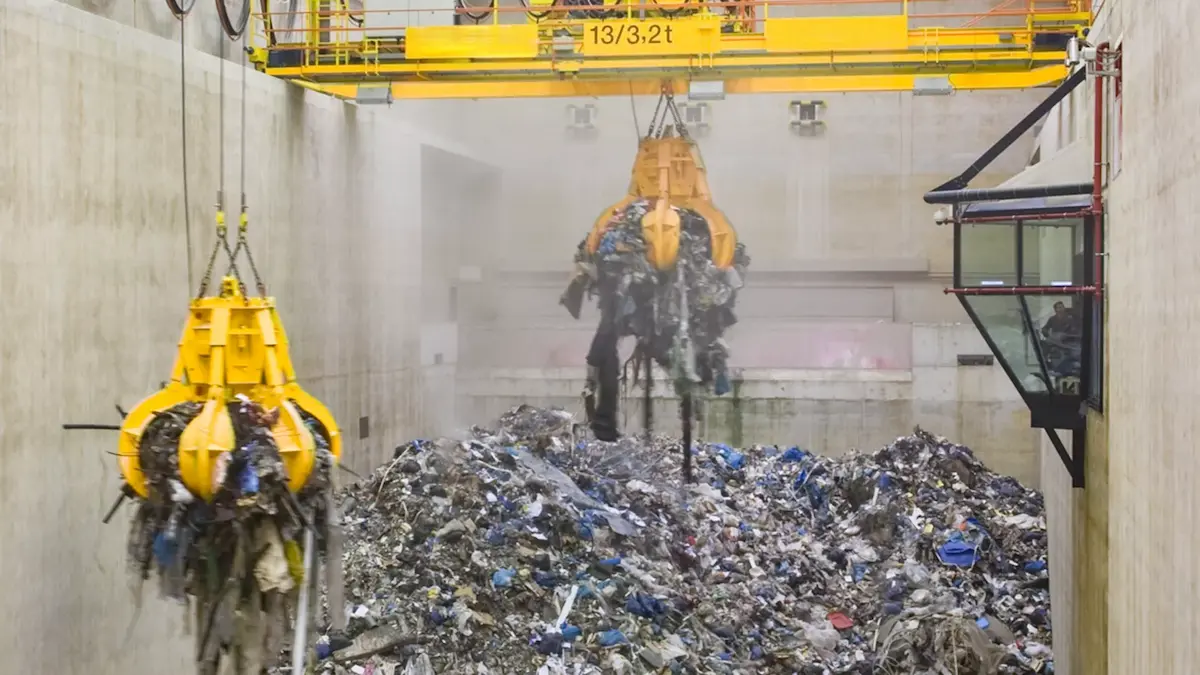
Analysis of Typical Operating Conditions for Waste Treatment Plant Cranes
The internal environment of waste treatment plants is complex. Cranes operate under long-term conditions of high stress and chemical erosion. Therefore, the selection and maintenance of crane components must be based on the following critical environmental parameters:
●High Corrosive Gas Impact: Acidic gases generated during waste fermentation, such as hydrogen sulfide (H_2S) and hydrogen chloride (HCl), cause severe crystal corrosion and pitting on metal surfaces. This not only leads to surface oxidation but accelerates the reduction of effective cross-sectional thickness, directly compromising the load-bearing capacity and structural stability of critical crane parts.
●High Temperature and Humidity Challenges: The environment inside waste pits is humid and hot. Moisture easily condenses inside electrical cabinets, leading to decreased insulation resistance, contact oxidation, and short circuits. High temperatures accelerate the thermal degradation of electrical components and cable insulation, significantly shortening the lifespan of sensitive crane parts.
●Dust and Leachate Erosion: The mixture of waste dust and leachate is highly adhesive and abrasive. Once leachate penetrates the drive chain, it destroys the lubricating oil film, causing abnormal wear on crane parts such as bearings, couplings, and pulley blocks, or even total lubrication system failure.
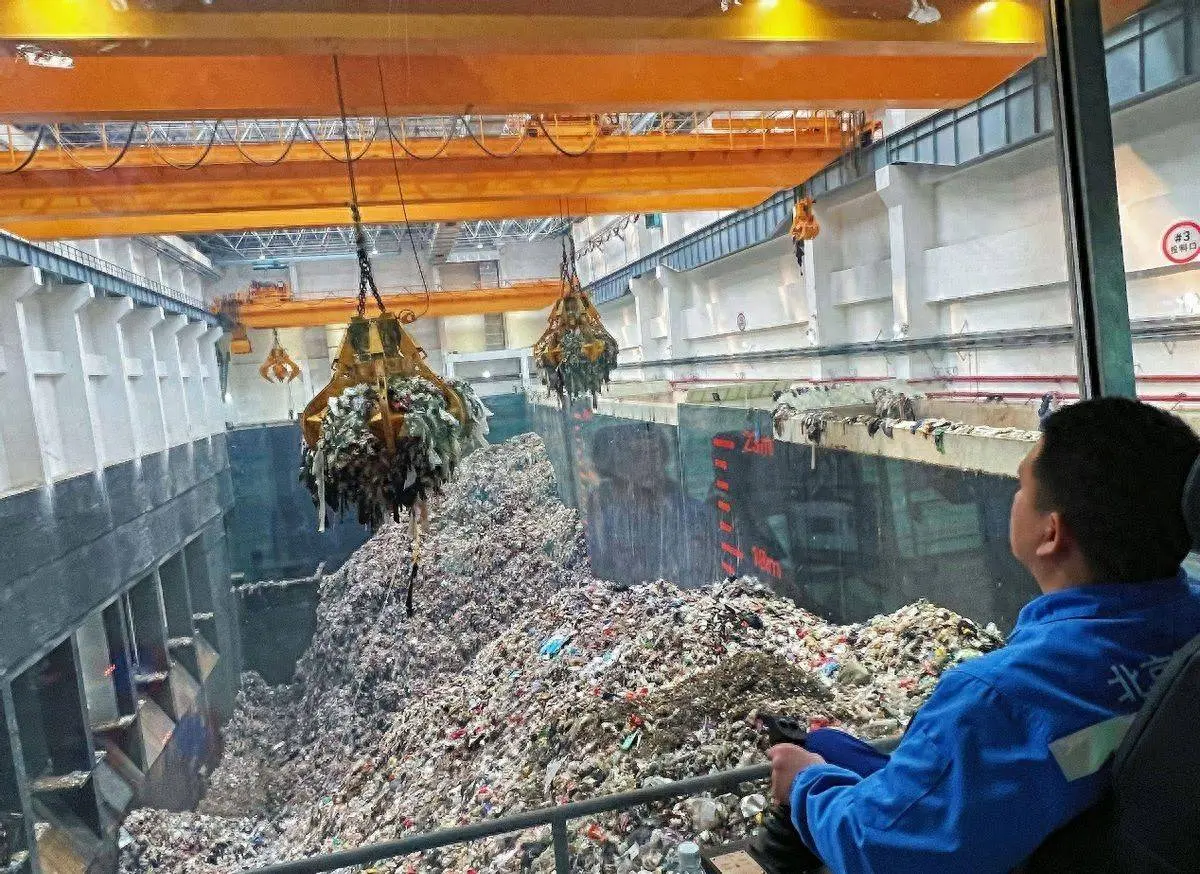
●High-Frequency Cycling and Heavy Loading: Waste cranes must operate 24/7. Frequent starting, stopping, and grabbing impose continuous high-frequency dynamic impact and fatigue stress on the drive system. Vulnerable crane parts—such as brakes, drums, and wire ropes—face severe fatigue life tests under these cyclic conditions.
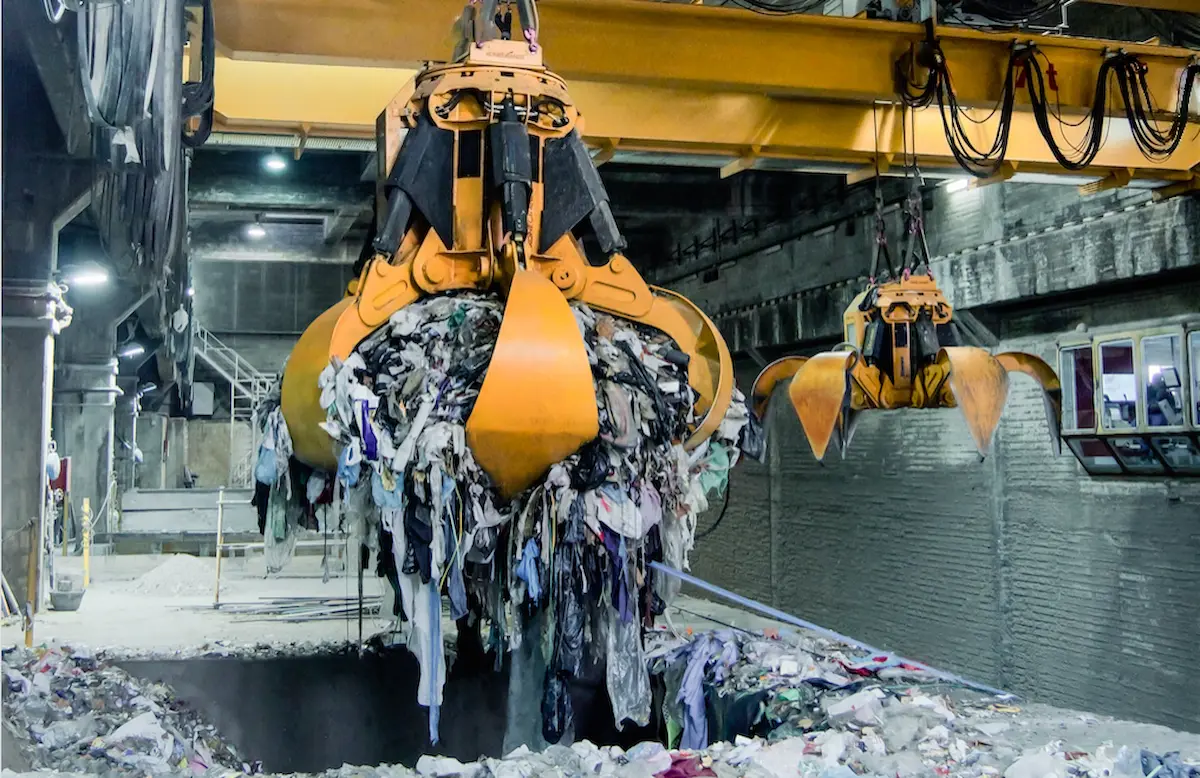
Categorization of Key Crane Parts for Waste Treatment Plants
To address the unique corrosive and high-frequency operating environment of waste treatment plants, the assembly and selection of crane parts must follow standardized, modular design principles. The classification is as follows:
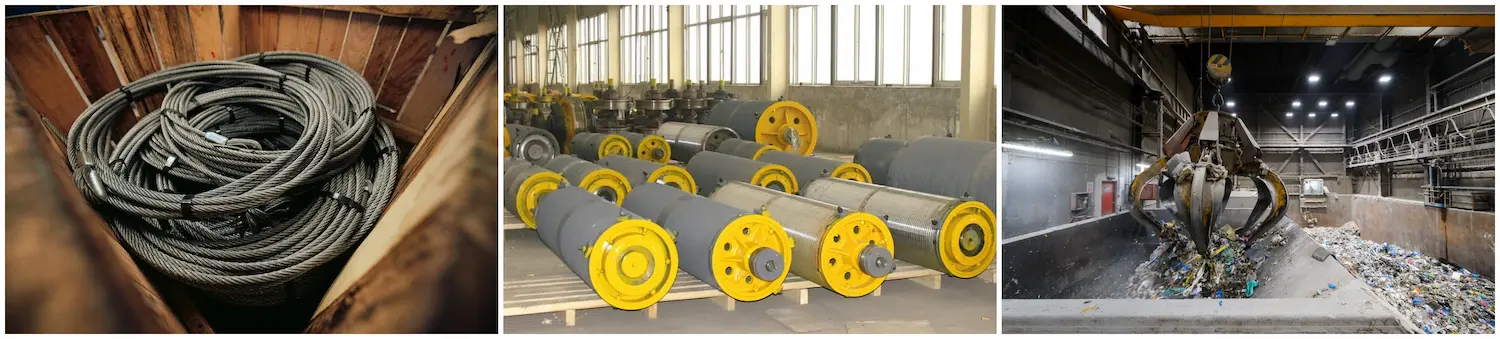
Mechanical Drive and Actuator
●Wire Ropes: High-strength, galvanized, or stainless steel core wire ropes are selected to enhance corrosion and fatigue resistance.
●Pulley Blocks and Drums: Machined from high-hardness alloy steel with surface quenching and specialized anti-rust treatments; equipped with high-precision bearings to minimize operational friction.
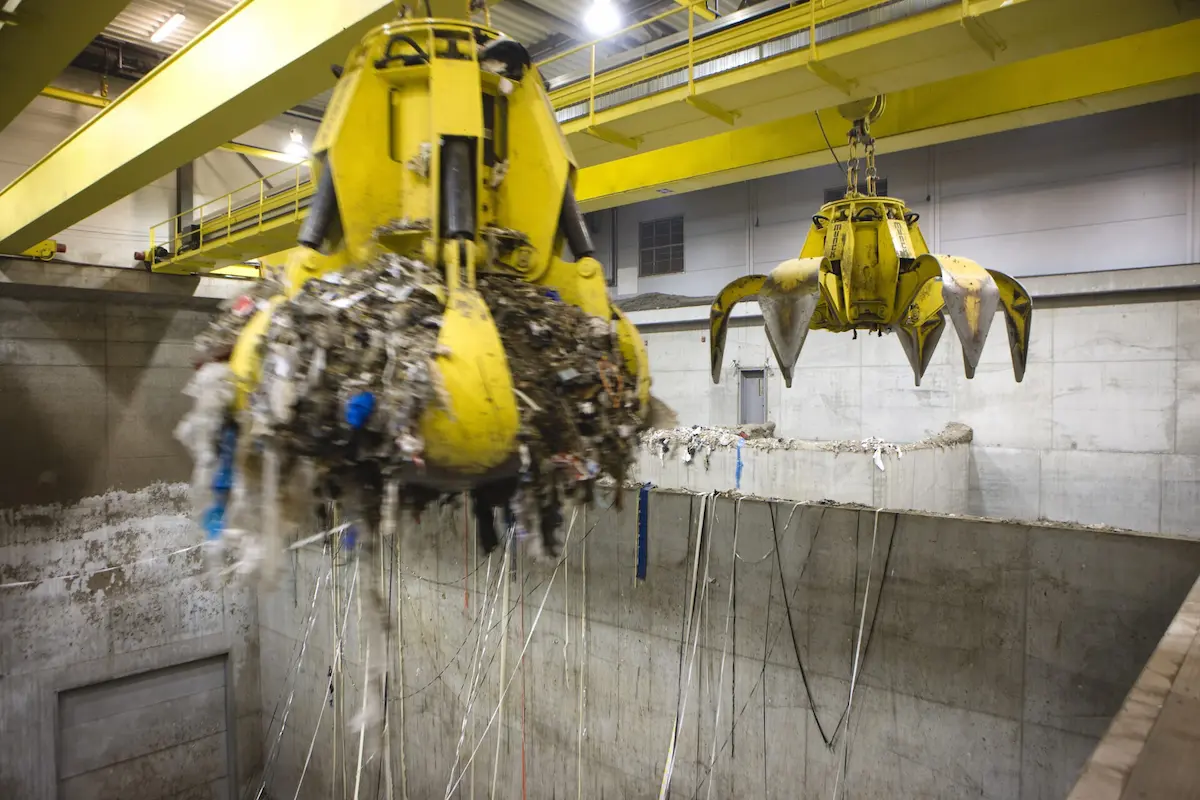
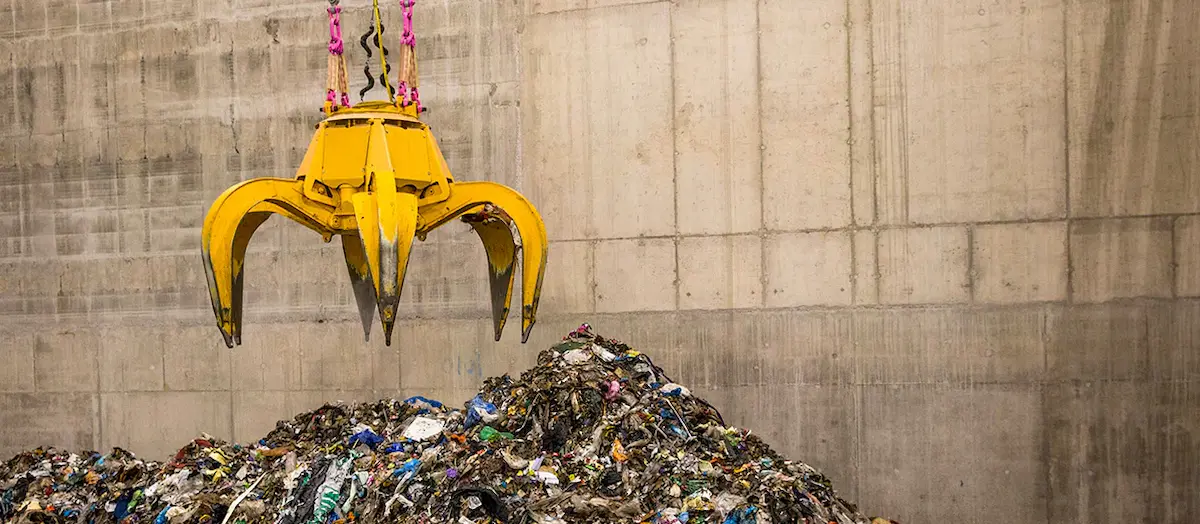
●Grab Buckets: Critical grabbing crane components are fabricated from wear-resistant manganese steel, with hardened tooth plates to withstand the high-impact loads encountered during waste grabbing, mixing, and feeding.
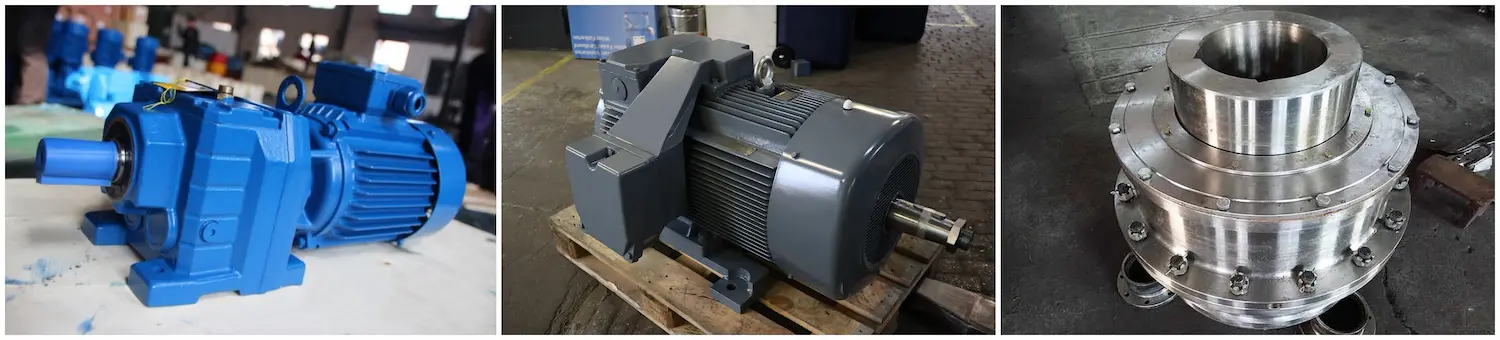
Drive System
●Reducers (Gearboxes): Heavy-duty gear reducers with high torque output and efficient heat dissipation; internal sealing must be rigorous to prevent lubricant leakage and the ingress of external contaminants.
●Motors: Equipped with high insulation (Class F or H) and high-protection ratings, featuring moisture-proof and anti-corrosion winding treatments to support high-frequency start-stop cycles.
●Couplings: Elastic couplings with buffering and vibration-damping functions are chosen to reduce mechanical shock during the frequent acceleration and deceleration phases of the drive system.
Electrical and Control
●Control Systems: Based on industrial-grade PLC configurations with integrated automated feeding programs to ensure precise operation and logic safety.
●Sensors: High-sensitivity limit switches, encoders, and anti-collision sensors with electromagnetic compatibility (EMC) to ensure real-time feedback of equipment position and load data in complex environments.
●Cables: Corrosion-resistant, wear-resistant, and flexible shielded control cables used in conjunction with weather-resistant energy chain systems to prevent cable cracking and insulation failure.
System Protection
●Sealing Devices: High-performance skeleton oil seals and labyrinth seals are added to drive shafts and access ports to prevent the infiltration of leachate and dust.
●Anti-Corrosion Coatings: Metal surfaces are coated with C5-M grade high-weatherability, acid, and alkali-resistant epoxy primers and topcoats to ensure a long anti-corrosion life.
●Protective Shields: Stainless steel protective covers are installed over critical moving crane components and electrical cabinets to physically isolate them from erosion by dust and acidic gases.
Technical Design Requirements for Crane Parts in Waste Treatment Plants
Cranes in waste treatment plants require crane parts designed for continuous operation in corrosive environments. The following technical specifications and execution standards ensure long-term reliability:
Anti-Corrosion Design
●Material Selection: Primary structural members use anti-corrosion low-alloy steel. Fasteners and pins exposed to acidic environments must be made of stainless steel with zinc-penetration treatment.
●Coating Process: Surface treatment strictly adheres to ISO 12944 standards. The coating system must meet the C5-M (high-corrosivity marine/industrial) heavy-duty anti-corrosion grade. We use an epoxy zinc-rich primer, epoxy micaceous iron oxide intermediate coat, and polyurethane topcoat to ensure a service life of over 10 years for these crane parts.
●Isolation Design: Critical connections use sealing gaskets and sealants to prevent acidic media from infiltrating gaps and causing electrochemical corrosion of the crane parts.
Sealing and Protection Design
●Rating Requirements: Core drive components such as reducers and motors must have an IP65/IP66 protection rating or higher to ensure the exclusion of waste dust and leachate.
●Sealing Structure: Drive shaft extensions utilize a combination of labyrinth seals and skeleton oil seals. This dual-barrier approach uses centrifugal force and physical isolation to prevent lubricant leakage and liquid ingress into the crane parts.
●Protective Covers: Stainless steel covers are installed over moving crane parts—such as motor cooling fans and couplings—to prevent short circuits and mechanical wear caused by leachate splashing.
Wear Resistance and High-Strength Design
●Mechanical Performance: Wire ropes must be high-strength, fatigue-resistant, and galvanized. Pulleys are made of high-hardness alloy steel with surface quenching at the groove base (hardness ≥ HRC45) to extend the life of both the wire rope and the pulley crane components.
●Grab Bucket Reinforcement: Grab bodies use high-strength wear-resistant steel plates (e.g., NM400 series). Lip edges undergo localized hardening to ensure wear resistance during the grabbing of bulky, hard waste.
●Life Design: The mechanical design of all crane components must meet FEM M8 heavy-duty service classes. Critical load-bearing components undergo Finite Element Analysis (FEA) for fatigue life to ensure structural integrity under cyclic high-load conditions.
High Reliability and Redundancy
●Braking System: Equipped with a dual-braking system. The primary brake handles normal stops, while the safety (drum) brake acts as an emergency backup to lock the load instantly if the primary system fails.
●Redundancy: Key drive shafts and sensors feature redundant backups, ensuring that a single-point failure does not disrupt the basic functions of the crane parts.
●Monitoring System: Integrated real-time load, vibration, and temperature monitoring systems utilize failure-prediction algorithms. This enables predictive maintenance for crane components before failure occurs, reducing unscheduled downtime.
Electrical System Adaptation
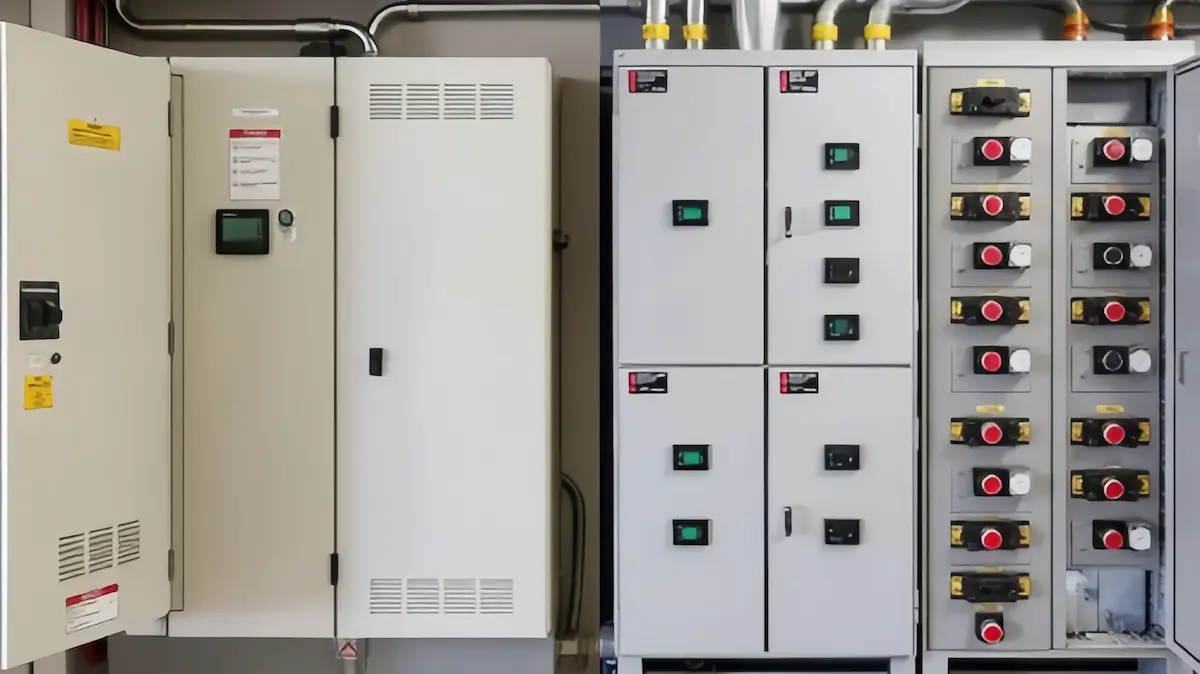
●Corrosion Resistance and Sealing: Electrical cabinets feature high-performance seals with internal automatic dehumidifiers to prevent condensation. Junction boxes are made of cast aluminum or stainless steel, with anti-corrosion treatment on internal terminals.
●Cable Selection: We use high-flexibility, shielded cables resistant to acid, alkali, oil, and creep, ensuring compatibility with the frequent reciprocating motion of energy chains.
●Electromagnetic Compatibility (EMC): The automation control system utilizes industrial bus communication (Profibus or Profinet). All control circuits include shielding layers and filters to ensure stable signal transmission despite interference from high-frequency inverters on the crane components.
Design Standards and Specifications Reference for Crane Parts
The design and selection must strictly adhere to international standards and mandatory industry regulations. Standardized application ensures interchangeability, stability, and safety in high-corrosion and dusty environments, thereby guaranteeing the operational quality of the crane throughout its full lifecycle.
The following technical standard system is mandatory for the design of waste treatment plant crane parts:
|
Standard Category |
Key Reference Standards |
Design Focus for Crane Parts |
| Mechanical Design & Life | FEM 1.001,ISO 4301 | Strength calculation & M8 heavy-duty fatigue life design |
| Electrical Safety | IEC 60204-32, GB/T 5226.2 | Protection ratings, wiring, & anti-interference design |
| Anti-Corrosion & Coating | ISO 12944, GB/T 9286 | C5-M anti-corrosion system & coating adhesion |
| General Safety | GB 3811, GB/T 6067 | Structural safety & safety device configuration |
| Environmental Requirements | Waste Incineration Equipment Specs | Sealing, anti-seepage, & leak prevention |
Implementation Notes for Design Standards
●FEM (European Federation of Materials Handling) & ISO Standards: These are the cornerstones for evaluating crane parts performance. They guide strength verification and service classification for key transmission components like reducers and drums.
●Anti-Corrosion Standard (ISO ISO 12944): In the specific environment of a waste incineration plant, surface treatment for all metal crane parts must meet the heavy-duty anti-corrosion requirements for marine/industrial environments. This is a hard metric for durability.
●Safety Regulation Compliance: Beyond design specifications, all electrical crane parts and control systems must pass Electromagnetic Compatibility (EMC) testing. This ensures signal transmission accuracy and braking safety for automatic grabbing control systems, even under interference from frequency converters.
Need Direct Replacement Parts for Your Crane?
Don’t let corrosive environments eat your maintenance budget. HSCRANE engineers custom, heavy-duty parts that are 100% compatible with your existing crane brand, upgraded to meet C5-M and FEM M8 standards.
[Upload Your Drawing / Request a Custom Parts Quote Now]
HSCRANE Crane Parts: Performance Advantages
HSCRANE provides high-performance crane parts engineered to maximize equipment lifecycle and reliability in extreme waste-to-energy environments.
●Modular Customization: We offer non-standard crane parts tailored to your specific pit dimensions and operational flows. Whether for retrofitting or new projects, our components ensure “plug-and-play” compatibility with your existing interfaces.
●Extreme Corrosion Resistance: Designed for harsh conditions using acid-resistant alloys and C5-M grade surface protection. Our parts undergo rigorous salt spray and acid simulation testing to extend maintenance intervals and prevent corrosion-related failures.
●Intelligent Predictive Maintenance: Our parts feature integrated monitoring modules for real-time vibration and temperature tracking. This enables a shift from reactive repairs to predictive maintenance, minimizing unscheduled downtime.
●Stringent Quality Assurance: From raw material traceability to precision machining, we maintain quality standards that exceed industry requirements. All core crane parts are certified to meet strict FEM/ISO fatigue and accuracy specifications.
●Proven Engineering Expertise: Leveraging global waste-to-energy project data, we continuously iterate our parts design to eliminate common failure points in continuous, heavy-load operations.
Real-World Application Case Study
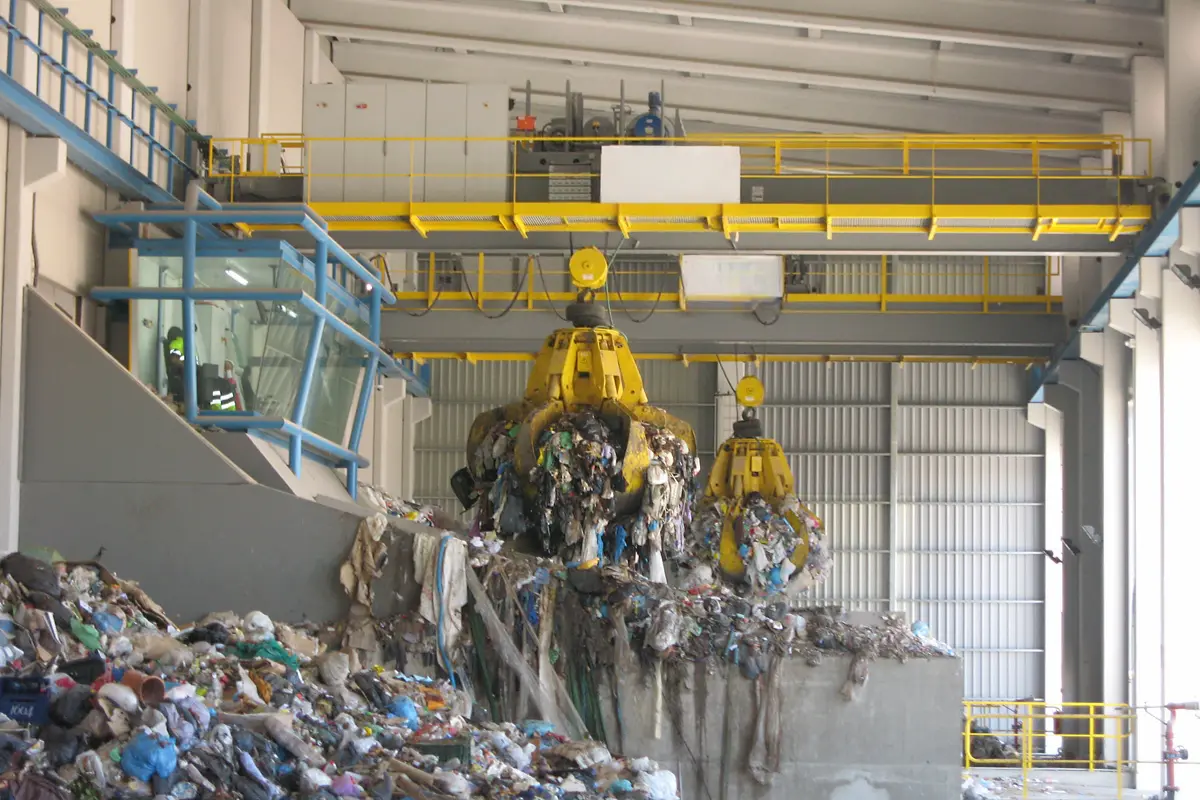
The following is a typical engineering case study of a large waste-to-energy plant applying HSCRANE’s optimized crane parts solution. Facing frequent mechanical failures and electrical shutdowns caused by the harsh, highly corrosive environment, the plant achieved significant performance improvements through a systematic upgrade of its crane parts.
Project Background
●Operational Profile: Processes 1,500 tons of waste daily. The environment contains high concentrations of hydrogen sulfide (H_2S) and acidic gases, with annual humidity levels consistently above 80%.
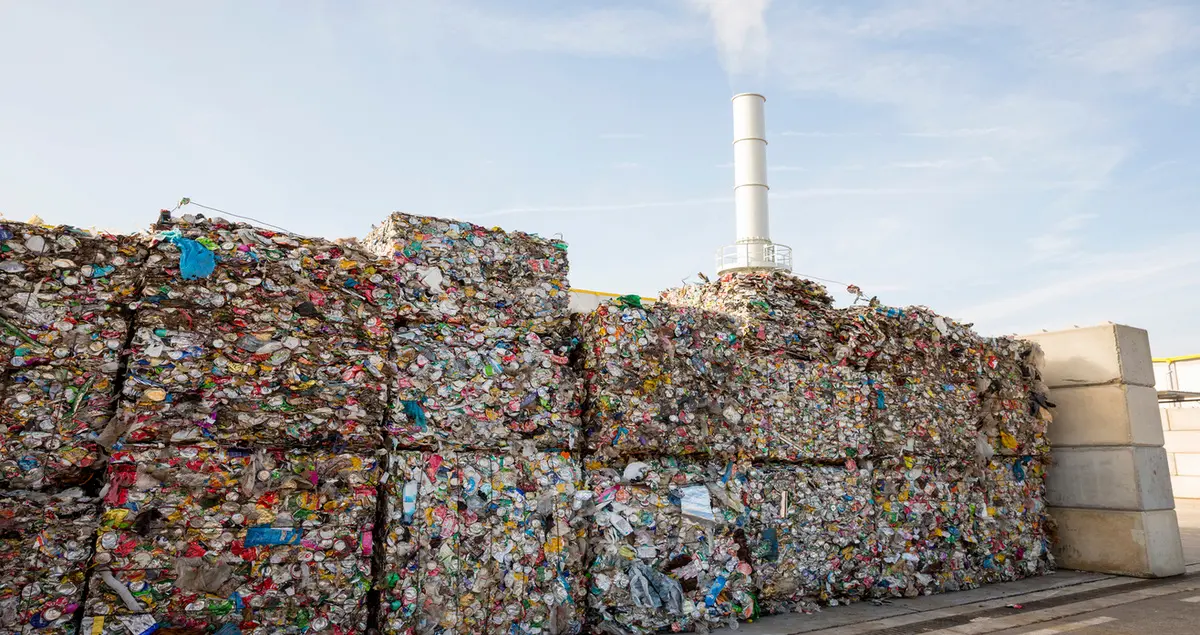
●Pain Points: Original crane parts lacked sufficient corrosion resistance. The grab bucket tooth plates suffered from severe wear, the reducers leaked frequently, and electrical junction boxes experienced intermittent communication failures due to corrosion. This resulted in a high number of unplanned shutdowns and exorbitant monthly maintenance costs.
Optimization Measures for Crane Parts
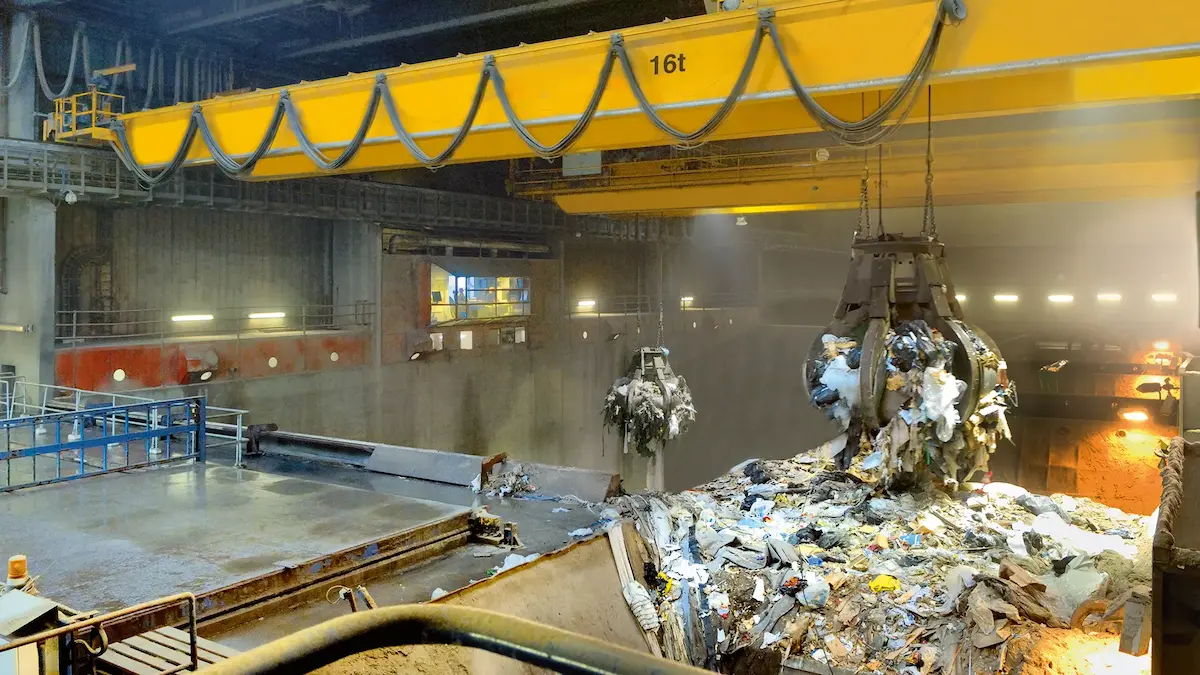
The HSCRANE team implemented targeted replacement and upgrades of crane parts:
●Mechanical System: Replaced with special wear-resistant grab buckets compliant with FEM M8 standards; tooth plates utilized high-hardness surfacing technology; all metal connectors received C5-M heavy-duty anti-corrosion treatment.
●Drive System: Replaced with high-protection (IP66) gear reducers and installed stainless steel protective covers.
●Electrical System: Upgraded to corrosion-resistant cables with higher shielding ratings; replaced standard boxes with reliable, sealed 316L stainless steel junction boxes; and installed automated monitoring modules.
Performance Comparison
|
Core Metrics |
Before Optimization (Original Parts) |
After Optimization (HSCRANE Parts) |
Improvement |
| Annual Failures | 12 times/year | 2 times/year | 83% Reduction |
| Mean Time Between Failure (MTBF) | 720 hours | 4,300 hours | ~5x Increase |
| Wear Part Replacement Cycle | 3-4 months | 12-14 months | 3-4x Extension |
| Annual Maintenance Cost | Baseline | 45% lower post-optimization | Significant Savings |
Operational Results and Client Feedback
One year after the implementation, the client reported:
●Enhanced Stability: Under high-load cyclic operations, the grabbing action is smooth, electrical signal communication remains uninterrupted, and overall equipment utilization increased by 15%.
●Simplified O&M: Significantly reduced labor-intensive maintenance tasks, such as replacing rusted bolts and repairing short-circuited motors, drastically lightening the workload for the maintenance team.
●ROI: Despite a slightly higher initial investment in premium crane parts, the project achieved cost recovery by the 8th month of operation due to drastically extended maintenance cycles and minimized losses from unplanned downtime.
Conclusion: This case proves that in the waste incineration industry, precise selection and material upgrades for crane parts are the most effective path to reducing total lifecycle operating costs.
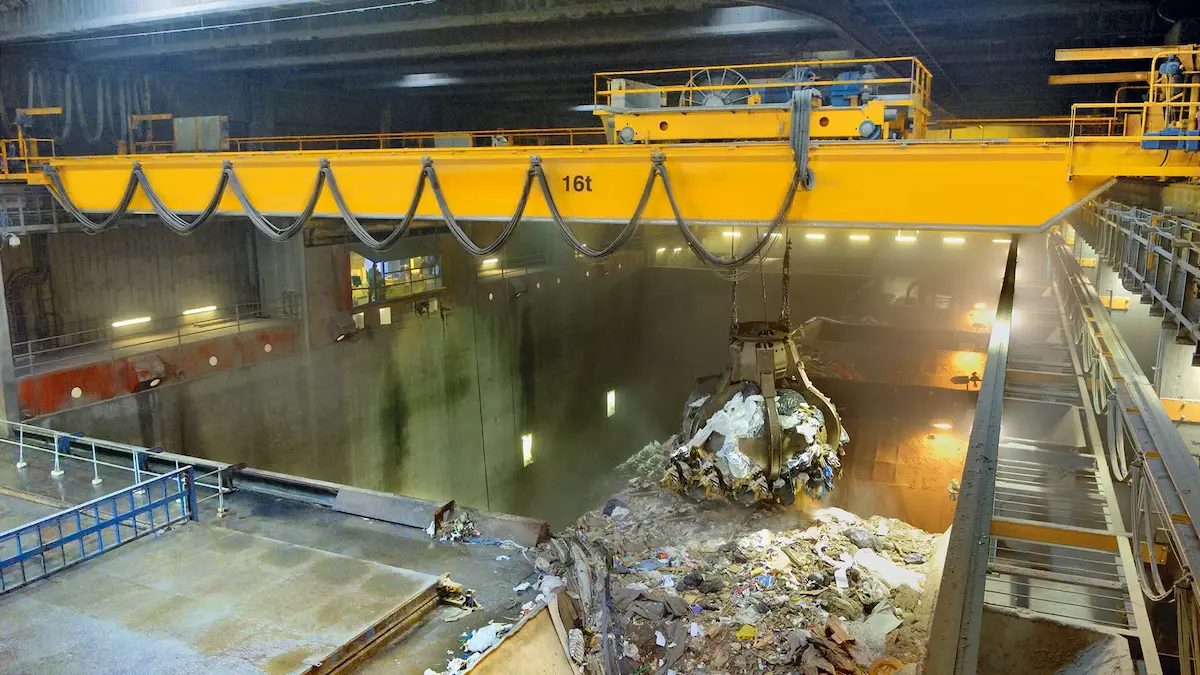
The technical depth in the design of crane parts directly determines the performance of the entire system throughout its lifecycle. Facing a complex environment of high corrosion, high dust, and high-frequency heavy loading, crane parts should not be viewed as simple consumables, but as core assets that guarantee production continuity.
From an engineering perspective, high-quality structural reinforcement, deep anti-corrosion treatment, and intelligent monitoring design are not just technical defenses against early equipment failure; they are the keys to reducing O&M costs and achieving economical operations. Neglecting standards for crane parts selection often leads to geometrically increasing maintenance costs. Through scientific upgrades and customized designs, you can significantly improve the inherent safety of your equipment, ensuring long-term stable operation.
Get Your Customized Solution
Choose HSCRANE, Empowering Long-Term Equipment Operation
HSCRANE is dedicated to providing high-performance crane parts solutions for global waste incineration and treatment projects. We provide more than just parts; we offer engineering optimization consulting based on complex working conditions.
●Get a Customized Solution Now: Click the link below or call our technical hotline to share your equipment status and maintenance requirements.
●Professional Engineering Assessment: Our technical team will analyze your equipment parameters and provide a one-stop upgrade recommendation, from anti-corrosion enhancements to intelligent retrofits.
[Contact the HSCRANE Engineering Team]
Precision Selection: Core Parameters for Waste Crane Grabs
As a core execution component, the selection of the grab bucket directly determines feeding efficiency and the cost of maintaining other crane parts. To ensure long-term stability, focus on these metrics:
●Waste Property Matching: Precisely calculate closing force and discharge efficiency based on waste density and moisture content.
●Material Wear Resistance: Tooth plates must use NM400-grade or higher wear-resistant steel, paired with targeted hardening to ensure a long lifespan under high-frequency operation.
●Structural Reliability: The system must meet FEM M8 heavy-duty standards to prevent metal fatigue and structural cracking.
●Protection Rating: Electrical and hydraulic systems must reach IP66 protection to ensure complete isolation from leachate and corrosive gas erosion.
[Click to View: How to Choose a Durable Crane Grab for Highly Corrosive Waste Handling Environments]
FAQ
The HSCRANE technical team has condensed the key engineering requirements for maintaining crane parts in waste treatment facilities.
Q1: Why can’t we use standard crane parts?
A1: Waste pits feature high H2S, moisture, and dust levels. Standard crane parts corrode and fail rapidly due to electrochemical attack. We use C5-M anti-corrosion coatings, IP66 seals, and resistant alloys to block these elements at the source.
Q2: Are HSCRANE parts compatible with other brands?
A2: Yes. We offer custom reverse engineering to match your existing equipment interfaces perfectly. Our crane parts are designed as drop-in replacements, requiring no structural modifications to your machine.
Q3: How do we know when to replace parts?
A3: Shift to predictive maintenance. Rather than reactive repairs, monitor wear rates (e.g., wire rope breakage, grab edge thinning) and use vibration or oil analysis to detect fatigue before failures occur.
Q4: Is the higher cost of premium parts justified?
A4: Yes. Downtime in waste plants is extremely expensive. High-performance crane parts cost more upfront but last 3–4x longer, significantly lowering your Total Cost of Ownership (TCO) by reducing failure frequency.
Q5: How can we improve electrical stability?
A5: Interference usually stems from poor shielding or grounding. Solve this by upgrading to stainless steel sealed junction boxes, using fully shielded cables, and installing anti-interference filters in control cabinets.
Q6: Can you support European crane brands?
A6: Yes. We specialize in reverse engineering major international brands. We manufacture drop-in replacement crane parts that match original interfaces while upgrading the anti-corrosion and sealing technologies.
Q6: Can you manufacture replacement parts for European crane brands installed in our waste plant?
A6: Yes. We specialize in reverse engineering and custom manufacturing. Whether you need a heavy-duty grab, a custom gearbox, or upgraded wire rope sheaves, we can manufacture drop-in replacement parts that exactly match your original interfaces but feature upgraded anti-corrosion and sealing technologies.
This document is for reference only. Specific operations must strictly comply with local laws and regulations and equipment manuals.