

Overview
Clients often wonder during inquiries: We want electric hoists with the same tonnage and lifting height. Why do quotes from two suppliers differ by thirty percent or even double? Honestly, “you get what you pay for” is true for industrial equipment. Machines looking identical may have vastly different internal duty classes and motor configurations. Their reducer precision and safety protection levels can also be miles apart. Focusing only on initial purchase prices often leads to a low-price trap. You will buy cheap but suffer from exhausting maintenance later. We will skip the fluff and break down 8 core factors affecting prices of electric hoists. This helps buyers understand the tricks before ordering. You can choose truly durable products with lower overall costs.
Looking for electric hoists suitable for your actual working conditions?
HSCRANE provides professional selection advice based on your lifting capacity and lifting height. We consider duty class, voltage, and site conditions for competitive direct quotes.
[Contact HSCRANE to get a free product selection plan]
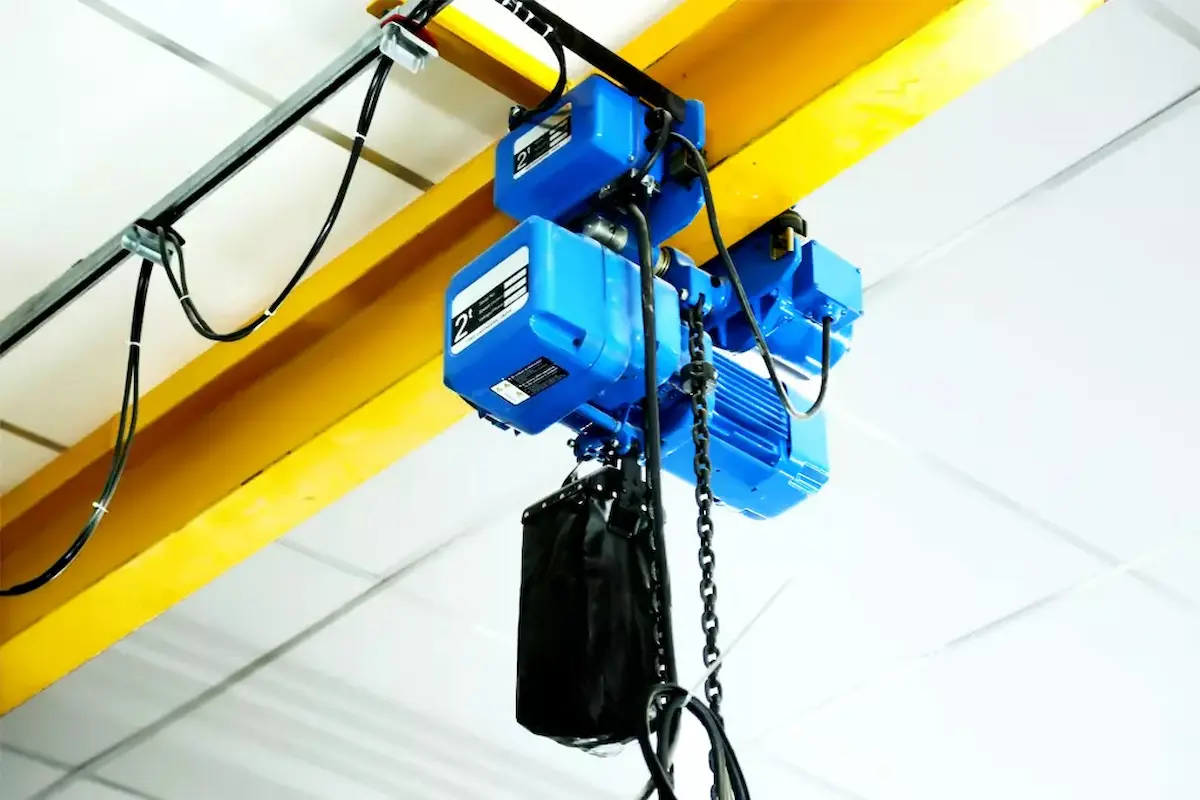
Why do prices of same-spec electric hoists vary so much?
Many buyers compare prices with inquiries showing only “5-ton capacity, 9-meter lifting height”. Quotes received can range from a few thousand to tens of thousands. The reasons for this huge price gap mainly focus on the following points:
●Why market quotes differ: The industrial equipment market is mixed. The huge quote difference essentially stems from different cost control methods. Premium manufacturers spend on core components and processing precision. Low-price makers often fight price wars by squeezing material costs.
●Same spec ≠ same config: “5-ton” is just a nominal capacity. Do nominal 5-ton electric hoists use pure copper coils or aluminum cores? Are contactors from top international brands or unknown brands? These hidden configurations invisible to eyes are the real reasons for price gaps.
●Why the lowest price is rarely best: Manufacturing has no “selling at a loss”. Extremely low quotes often mean cutting corners on motors, reducer gears, or wire ropes. Money saved during purchase will be paid back doubly later. You will lose more from production line downtime.
●Easily ignored purchasing issues: Many companies only check static load parameters. They ignore the “duty class” and “actual working conditions”. Lifting twice daily versus fifty high-frequency lifts on assembly lines. The required electric hoists for these two are totally different concepts.
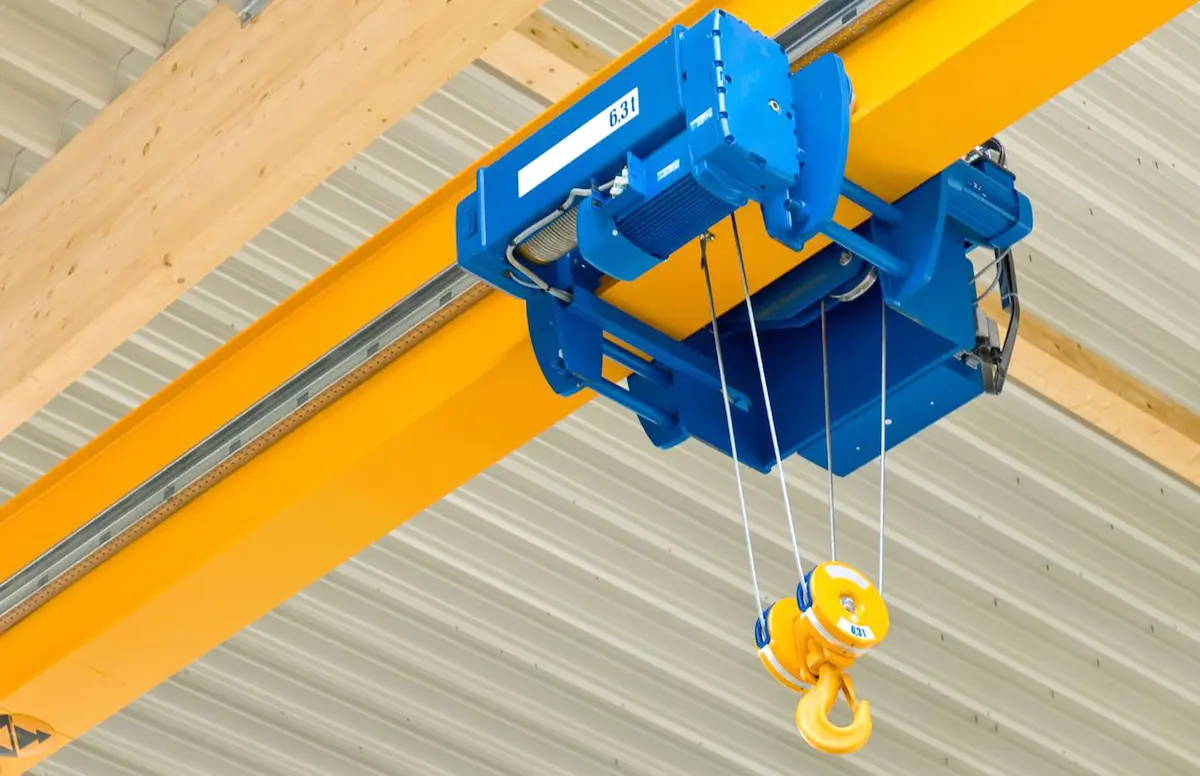
8 key factors affecting prices of electric hoists
To avoid low-price traps, insiders usually check these 8 core components and technical indicators.
Duty Class
Duty class is the hardest metric deciding the lifespan and price of electric hoists. Higher usage frequency and full-load rates require a higher duty class. Motor and reducer materials must be stronger, naturally increasing the price.
|
Duty Class |
Applicable Conditions |
Typical Scenarios |
Price Difference |
| A3/M3 | Light load, very low frequency, rarely full | Equipment maintenance, small warehouse backup | Basic model, lowest price |
| A4/M4 | Medium load, regular use, occasionally full | General machining workshops, assembly lines | Mainstream, high cost-performance |
| A5/M5 | Heavy load, frequent use, often full | Busy logistics centers, heavy manufacturing | High-end parts, higher price |
| A6/M6 | Ultra-heavy load, continuous high-load operations | Metallurgy, continuous lines, paper mills | Top config, highest price |

Motor Configuration
The motor is the heart of electric hoists. Price tricks are most common here.
●Copper vs ordinary motors: Quality lifting motors must use pure copper coils. They offer good heat dissipation and high-temperature resistance. Some low-price products use copper-clad aluminum or inferior coils, burning out easily.
●VFD vs ordinary control: VFD motors enable stepless speed regulation. They provide smooth lifting, precise positioning, but cost more than regular motors.
●Insulation and high-temp classes: Class F insulation is fine for normal environments. But high-temperature environments like metallurgy or casting require Class H insulation. This will significantly increase the motor cost.
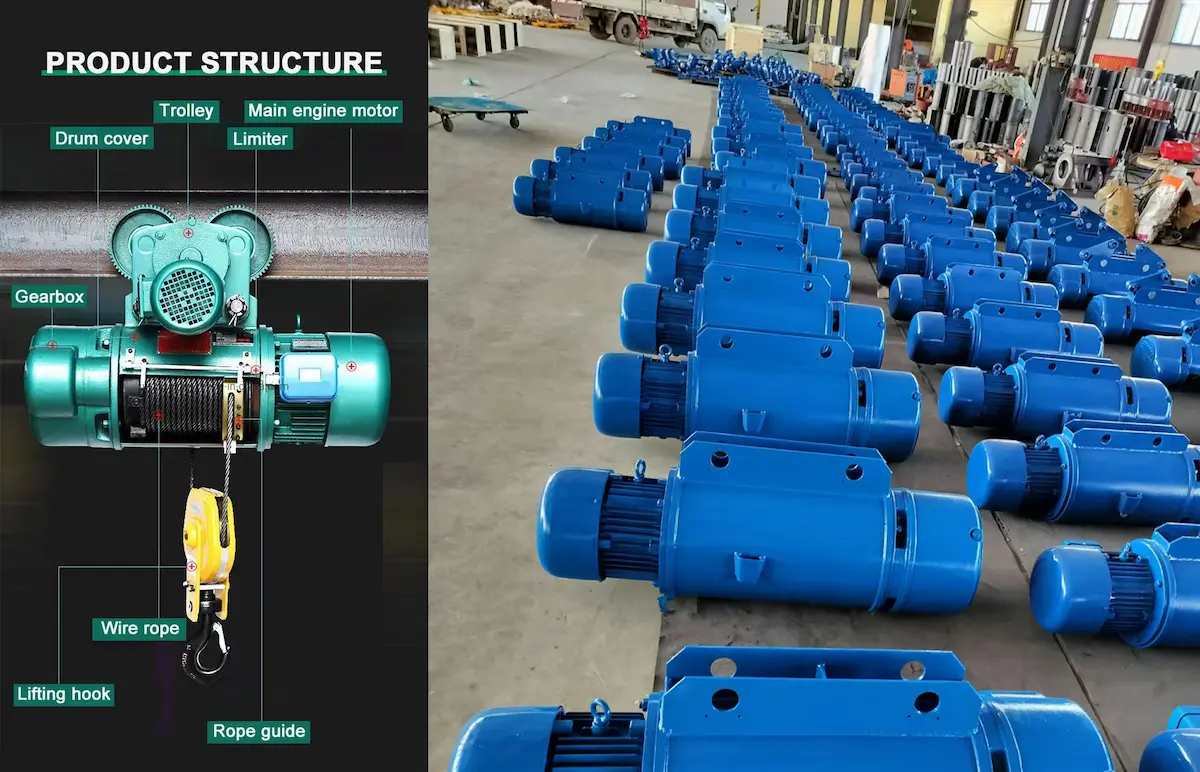
Reducer Quality
The reducer determines the noise and durability of electric hoists. High-quality reducers have long lifespans. They also effectively eliminate oil leaks, a common industry pain point.
●Processing and heat treatment: Gears of cheap reducers often only get simple surface treatments. Quality gears undergo complex processes like high-frequency quenching and grinding. This ensures high-precision meshing and higher anti-fatigue strength.
●Lubrication method: High-end electric hoists usually adopt maintenance-free lifetime lubrication. They may also use fully enclosed oil bath lubrication. Initial manufacturing costs are high, but later maintenance is extremely worry-free.
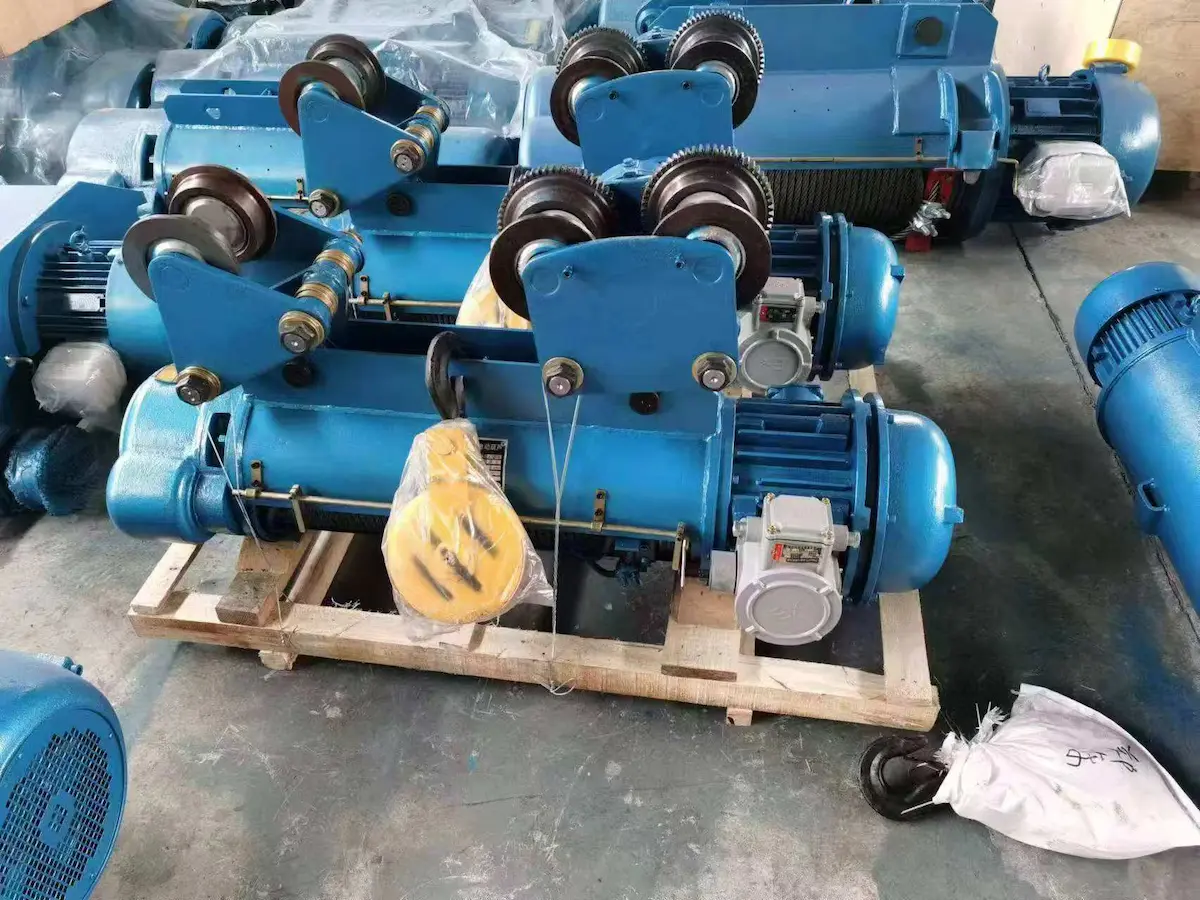
Lifting Mechanism
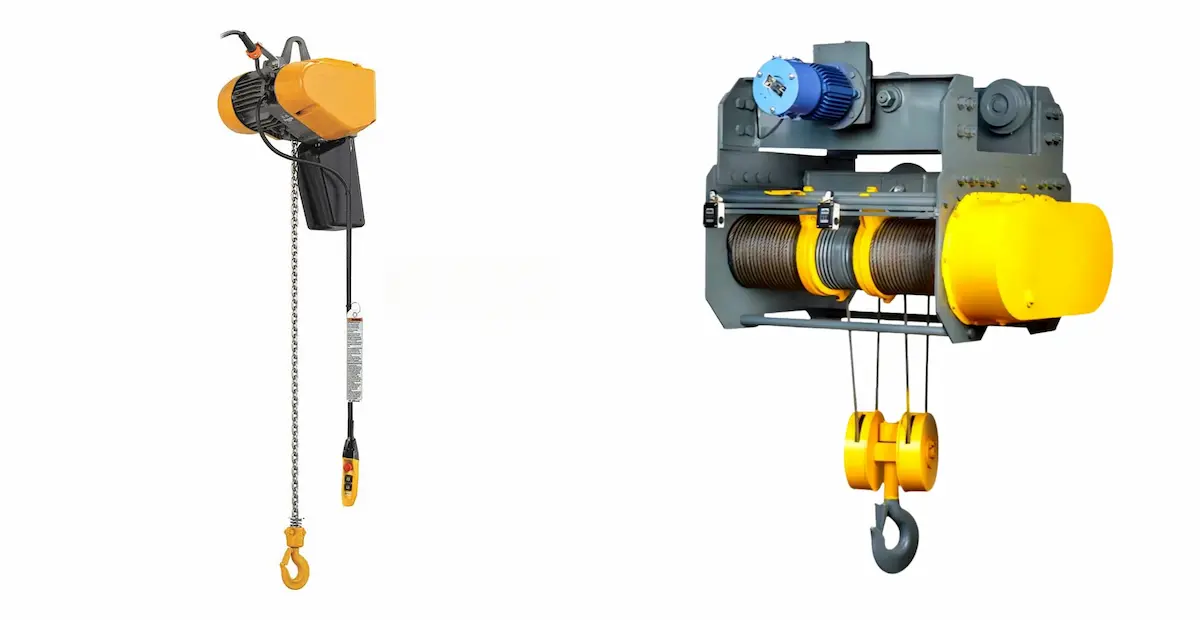
Whether using chains or wire ropes, load-bearing parts must never be compromised.
●Chain grade: Chain electric hoists prefer G80 or stronger G100 alloy steel chains. Tensile strength and wear resistance directly determine the price.
●Wire rope differences: Quality wire rope electric hoists use high-strength galvanized wire ropes. They have large anti-breaking tension and good flexibility. Inferior ropes easily break wires. Their lifting efficiency and safety are also greatly reduced.
Electrical Control System
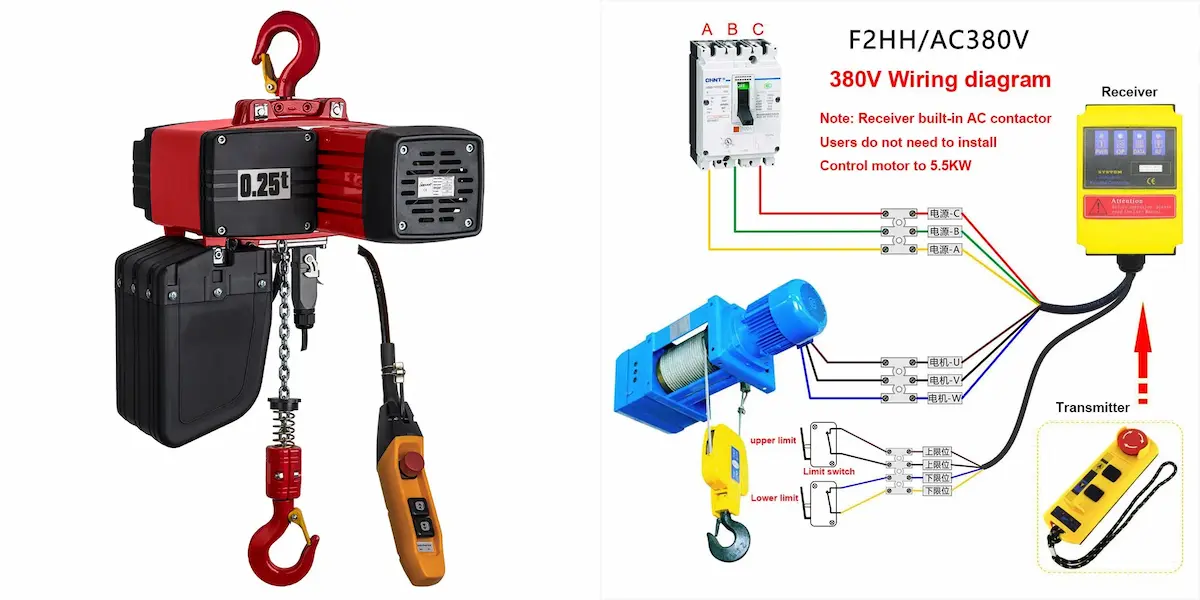
The stability of the electrical system directly relates to operator safety.
●Component brands: Control boxes using famous contactors like Schneider, Siemens, and ABB have extremely low failure rates. Those using unknown accessories easily suffer from contact adhesion.
●Safety protection devices: Higher-priced electric hoists usually come standard with overload limiters, up/down limit switches, and emergency stop systems. Adding PLC automation control or anti-sway systems will further increase the price.
Protection Class and Special Environments
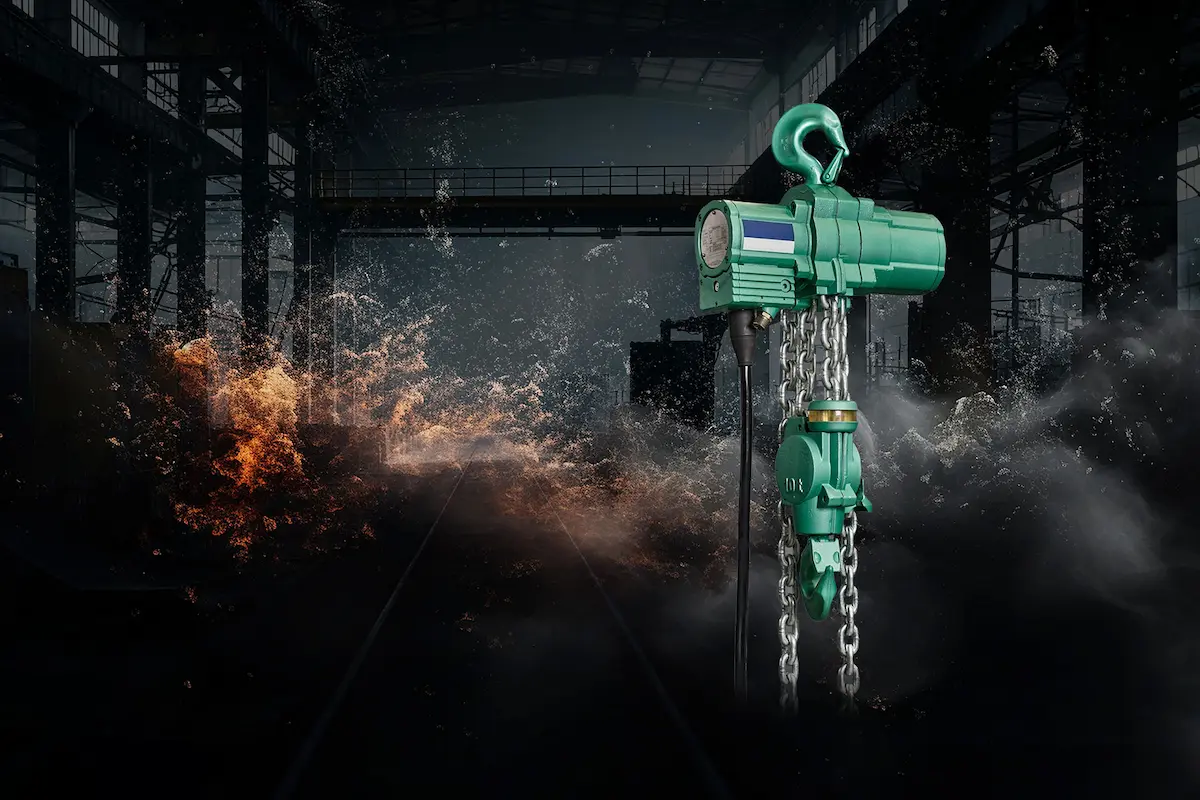
If your factory environment is harsh, standard configurations are not enough. Protection class (IP) and special anti-corrosion treatments are hard costs.
|
Protection Class |
Protection Ability |
Applicable Environment |
| IP54 | Splash-proof, basic dust-proof | Standard indoor workshops |
| IP55 | Low-pressure water jet proof, good dust-proof | Damp environments, light dust workshops |
| IP65 and above | Completely dust-proof, high-pressure water jet proof | Outdoors, high dust or washdown environments |
●Explosion-proof/Anti-corrosion: Chemical plants, paint booths, or coastal salt fog environments require special explosion-proof motors. You must also apply C3/C4 level anti-corrosion coatings. The price of such special electric hoists is usually over twice that of ordinary ones.
Manufacturing Process and Quality Inspection
Invisible hidden costs are often reflected in the manufacturer’s factory control.
●Assembly and welding: Robot automatic welding and high-precision overall boring assembly are crucial. They ensure electric hoists run smoothly without jamming or abnormal noise.
●Factory testing: Responsible manufacturers following ISO systems must conduct 125% dynamic and static load tests before delivery. This strict quality inspection process is time-consuming and labor-intensive. It will also increase the manufacturer’s operating costs.
Brand, Certification, and After-sales Service
Buying electric hoists is not just buying equipment. It is also buying long-term operational guarantees.
●International certification: Products with international certifications like CE, ISO, and SGS meet strict design and material standards. This naturally brings certain brand value.
●Total Cost of Ownership (TCO): Quality brands have higher initial costs but offer perfect global spare parts supply. They also provide quick-response after-sales support. This significantly reduces downtime maintenance costs during the 5-10 year lifecycle.
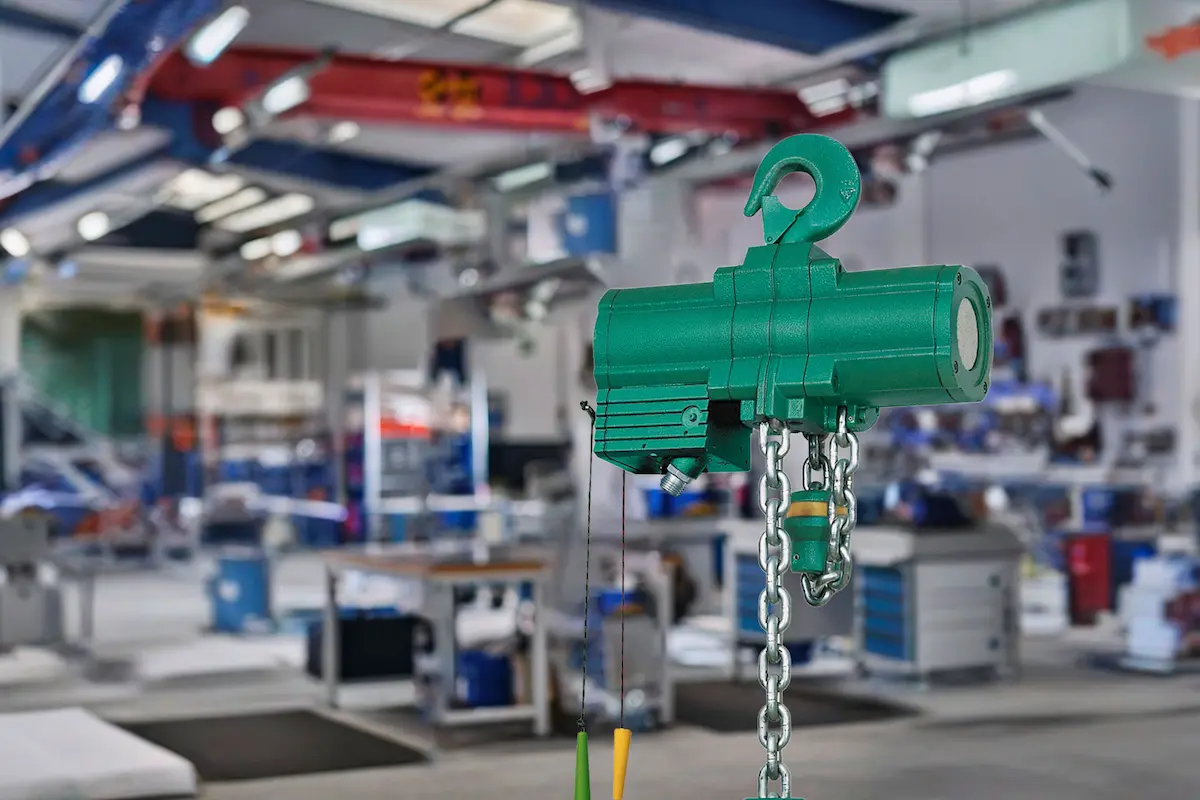
How to avoid buying wrong products just by looking at prices?
Often, buying the wrong equipment is not entirely the buyer’s fault. Without knowing actual site needs, inquiring with rough parameters is risky. You will often be led by the lowest prices. To buy truly worry-free equipment, the key is matching right products to right conditions.
Selecting Products Based on Working Conditions
Buying electric hoists is like buying cars. Commuting and off-roading use totally different selection standards. You can refer to the table below. It helps quickly locate the equipment level your workshop actually needs:
|
Working Condition |
Typical Scenarios |
Selection Advice |
| Light load | Occasional warehouse shipping, pump room maintenance, mold repair | Standard config is enough without seeking high-end specs. Focus on installation space and dead weight. |
| Medium load | General machining, assembly workshops, regular material handling | Recommend upper-medium configs. Focus on reducer lifespan and continuous working ability of motors. |
| Heavy load | Steel markets, busy logistics centers, heavy processing plants | Must upgrade lifting mechanisms like dual-speed or VFD. Also demand high-strength chains or wire ropes. |
| High-frequency continuous | Auto assembly lines, continuous metallurgy, paper mills | Must choose top duty classes like A5/A6. Equip Class H motors and strong cooling systems. |
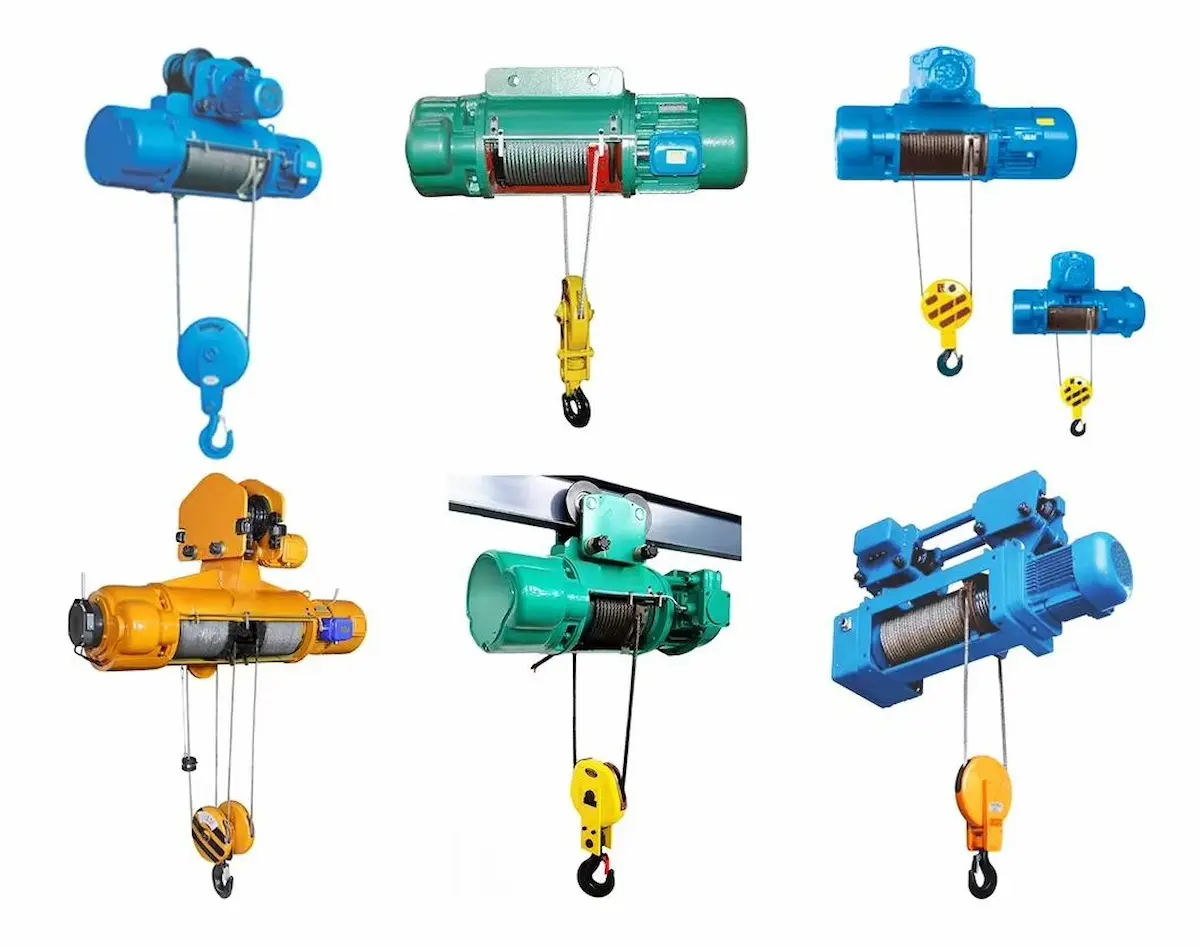
Must-Confirm Parameters During Purchasing
When sending inquiries next time, be careful if suppliers quote the lowest price without asking these questions. A qualified technical requirement must include the following core parameters:
|
Key Parameter |
What You Must Confirm |
Cost of Ignoring/Wrong Selection |
| Lifting Capacity | Actual maximum lifting weight. Leaving a 20% margin is recommended. | Long-term full load or overload easily causes rope breakage. It might burn motors, posing huge safety risks. |
| Lifting Height | The effective distance from the lowered hook to the ground. | Insufficient chain or wire rope length means the equipment cannot meet operational needs after arrival. |
| Duty Class | How many hours daily? How many starts per hour? | Using small electric hoists for heavy tasks reduces lifespan. They will be scrapped in two or three years. |
| Power Voltage | Is the site 380V, 220V, or 440V? What is the frequency in Hertz (50/60Hz)? | Mismatched voltage directly burns electrical components. Transnational purchases are especially prone to this pitfall. |
| Working Environment | Is there high temperature, dust, moisture, or flammable gas? | Standard motors lose insulation within days in high temperatures or acid-base environments. |
| Control Method | Single-speed, dual-speed, or stepless VFD control? | Closing precision molds without VFD or dual-speed easily creates impacts. This will damage the workpieces. |
| Trolley Required? | Are electric hoists fixed, or must they run along I-beams? | Missing a trolley prevents horizontal movement. This affects the production line layout. |
Unsure which configuration better suits your working conditions? HSCRANE has rich manufacturing experience in industrial lifting equipment. We recommend the most cost-effective plan for your actual environment. This avoids frequent repairs caused by under-configuration. It also prevents increased purchasing costs from over-configuration.
[Submit your technical parameters to get one-on-one selection advice from professional engineers]
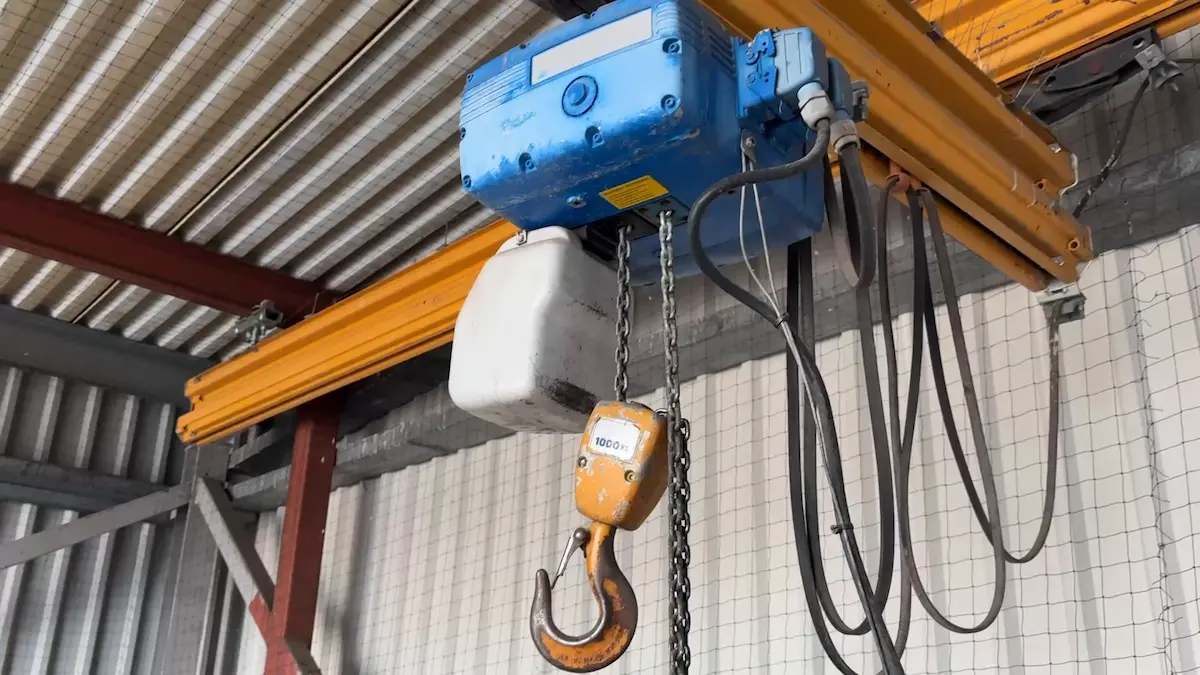
What hidden costs might low-price electric hoists have?
Industrial purchasing circles have an old saying: “Bought cheap, used most expensively.” This saying is perfectly suitable for electric hoists. Many think purchasing ends upon signing the contract. Actually, that is just the beginning of spending money.
Low Initial Purchasing Cost
If you choose equipment far below the average market price, initial reports might look good. But in the following days, workshop directors will likely face these headache-inducing problems:
●Shortened motor lifespan: Inferior coils have poor heat dissipation. Motors overheat and stop after slight continuous work. They may even burn out in severe cases.
●Soaring failure rates: Reducers leak oil, gears make abnormal noises, and contactors frequently stick. Maintenance workers must climb up to fix them every few days.
●Frequent parts replacement: Change rope guides today, and change limit switches tomorrow. The money spent on scattered parts is already enough to buy good equipment.
●Fatal downtime losses: This is the most hidden and massive cost! Imagine electric hoists suddenly jamming on the assembly line. What is the loss for a one-hour shutdown? This can never be covered by the price difference of electric hoists.
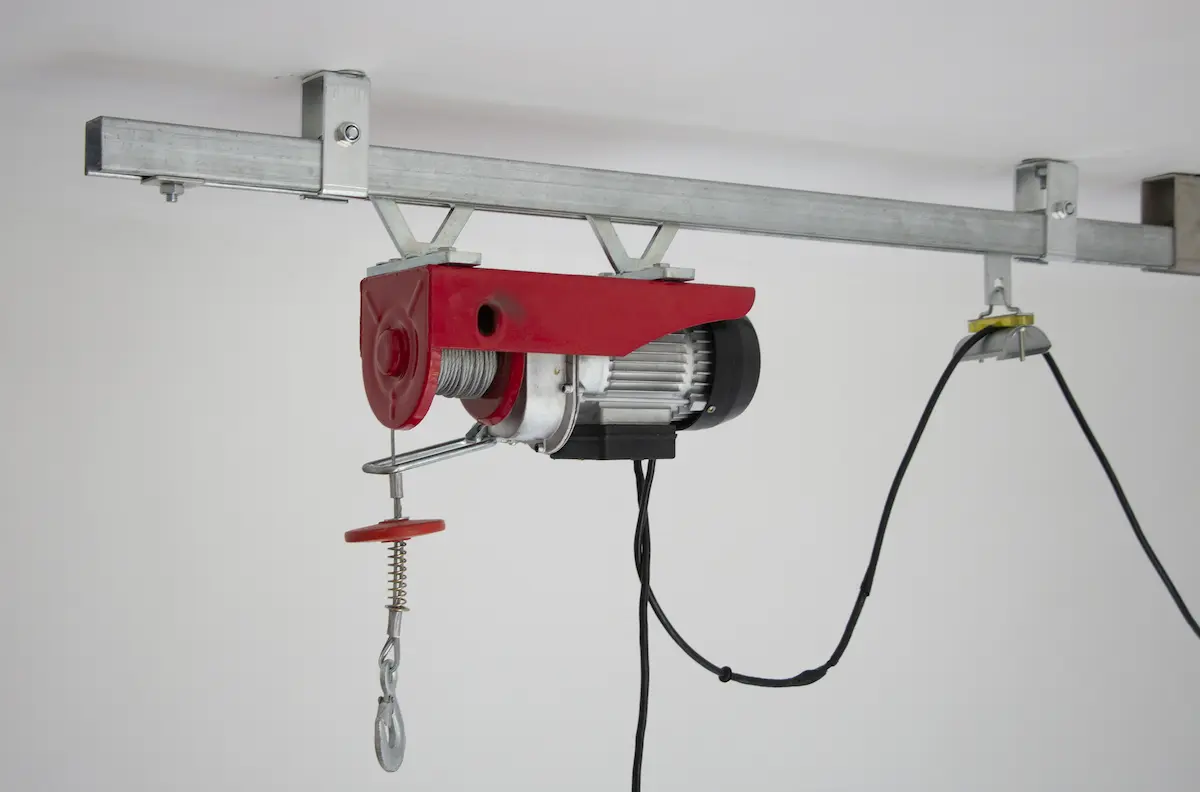
Total Cost of Ownership (TCO) Analysis
Expert buyers look beyond the purchase price. They value the Total Cost of Ownership (TCO) throughout the equipment lifecycle. Let us make the most intuitive comparison:
|
Cost Item |
Low-Price Inferior Electric Hoists |
HSCRANE High-Quality Electric Hoists |
Result Difference Analysis |
| Purchasing Cost | Extremely low (seems like a huge bargain). | Reasonable (matches genuine material costs). | High-quality equipment requires 15%-30% more initial investment. |
| Energy Cost | Low efficiency and high power consumption. | Uses efficient motors and high-precision transmission. | High-quality products can save 20% in electricity bills long-term. |
| Maintenance Cost | Frequent parts replacements and more manual maintenance. | Maintenance-free reducer design and top-brand electronics. | The daily maintenance cost of high-quality equipment is extremely low. |
| Downtime Cost | Frequent sudden failures force production lines to stop. | Stable operation with rare unplanned downtime. | The biggest gap. Downtime losses from inferior equipment are immeasurable. |
| Lifespan | Barely survives the warranty period (1-2 years). | Lifespan reaches 5-10 years or even longer. | High-quality equipment has a long depreciation cycle. The average annual cost is lower. |
| Final TCO | Initially cheap, but the total cost is extremely high. | Initially reasonable, but the total cost is extremely low. | Buying the right equipment equals continuous savings for the enterprise. |
How to judge if an electric hoist manufacturer is worth cooperating with?
Many companies produce lifting equipment in the market. Searching online shows everyone claiming to be a “source factory”. How can buyers screen out shell companies without factory visits? We suggest asking these 7 core questions during early communication:
●Is there a real self-owned factory? Do not just look at website pictures. Request a video call to inspect workshop conditions. Having a factory means controllable delivery and traceable quality. It prevents parties from blaming each other when issues arise.
●Are there international standard certification systems? This is the passport for going global. If a factory lacks basic CE or ISO certifications, its quality control fails industrial standards.
●Is OEM/ODM and customization supported? Small factories only make standard inventory items. Real manufacturers have R&D teams. They tailor products to your headroom limits or corrosive environments.
●Is export experience rich enough? Understanding wide voltage designs like 60Hz/440V matters. Knowing sea freight rust-proof packaging directly determines smooth overseas setup.
●What level of installation guidance is provided? Good manufacturers do not just sell machinery. They provide detailed 3D installation drawings and wiring videos. They even send engineers for remote online support.
●Can spare parts delivery cycles be guaranteed? Critical wear parts include rope guides and brake linings. If parts are out of stock, waiting causes massive downtime stress.
Why do more and more customers choose HSCRANE?
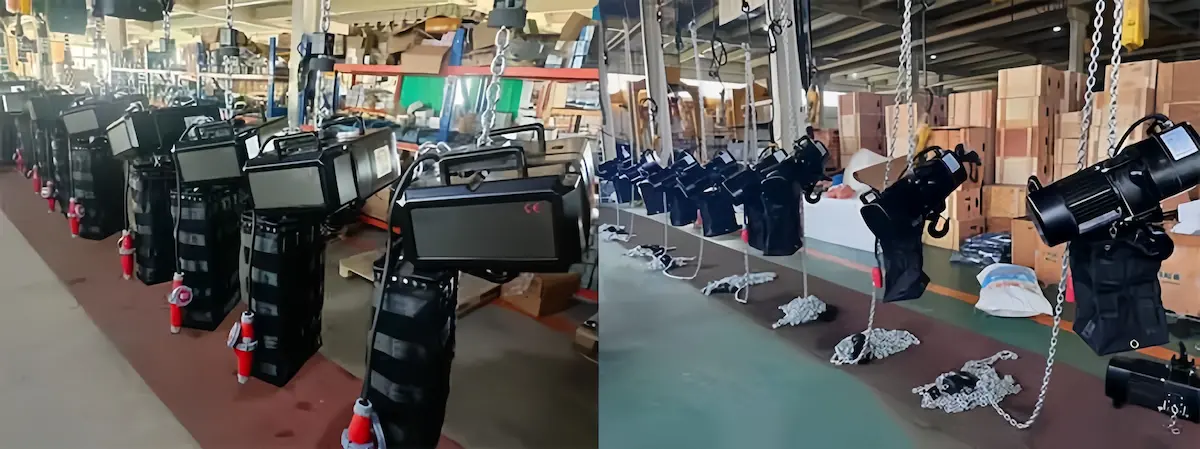
Many customers initially find us due to reasonable quotes. They maintain repurchases for years due to product quality. At HSCRANE, we engrave standards into every production step.Strict ●international standard quality control: We do not fool customers with vague “high quality”. All designs and manufacturing strictly align with European and international norms. For example:
1.The design stage executes FEM 9.511 and FEM 9.755 standards. This ensures genuine equipment lifespan.
2.Mechanical and electrical safety complies with EN 14492-2 European standards for cranes and electric hoists. Safety devices like overload protection and limit switches are required standard features.
3.We implement ISO 9001:2015 quality management systems across all processes. We perform flaw detection on raw materials and 125% load tests before delivery. All data is archived.
●Customization tailored to your needs: You may need anti-freezing electric hoists working at -20°C. You might need ultra-low headroom designs for old factories. Our engineer team provides custom solutions with 3D drawings within 48 hours.
●Global project experience understanding real sites: Our equipment serves domestic workshops and exports to Southeast Asia, the Middle East, and Europe. We address overseas pain points by preventing voltage fluctuations and transport corrosion.
●Rich product line covering all scenarios: We offer flexible chain electric hoists and large-capacity explosion-proof wire rope electric hoists. You can achieve one-stop purchasing for lifting equipment, reducing management costs.
HSCRANE Classic Cases
Actions speak louder than words. Let us see how our delivered equipment performs at customer sites.
Case 1: T-Motor (Thailand) Rayong Automobile Assembly Line Upgrade Project
●Project background: The customer is a joint-venture factory of a global automaker in Thailand. High failure rates of original lifting equipment caused frequent line shutdowns lasting hours.
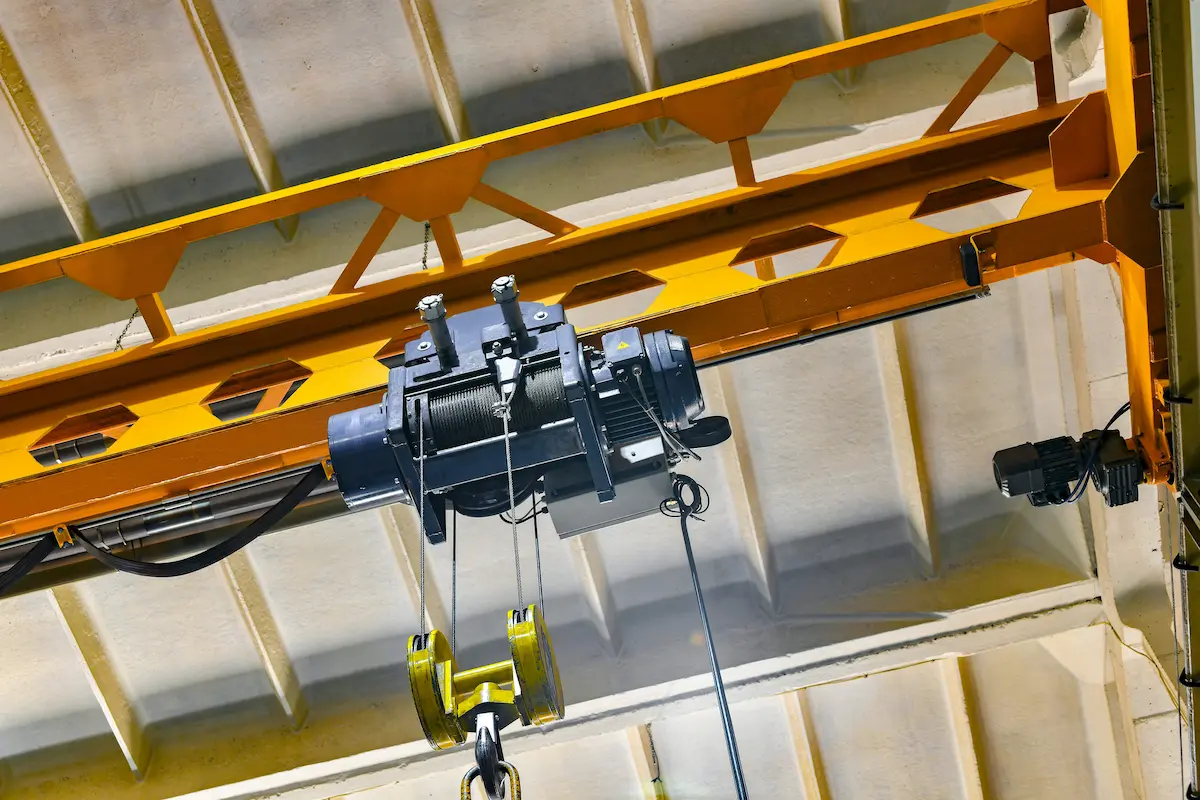
●Project scale: 32 units of HSN series European-type VFD wire rope electric hoists (3.2-ton/5-ton).
●HSCRANE solution: Automobile assembly lines require high frequency and accurate positioning. We equipped closed-loop VFD control systems and upgraded the duty class to A5/M5. We customized hard-tooth fully enclosed reducers. This eliminated oil leaks contaminating car parts.
●Project results: After one year of operation, unplanned downtime dropped by 85%. Precise micro-speed lowering improved mold assembly efficiency by about 30%.
Case 2: N-Steel (Norway) Tromsø Heavy Industry Anti-Corrosion Customization Project
●Project background: Located in a Norwegian port city, the customer manufactures offshore engineering equipment. The factory operates in extreme environments with high salt fog and humidity.
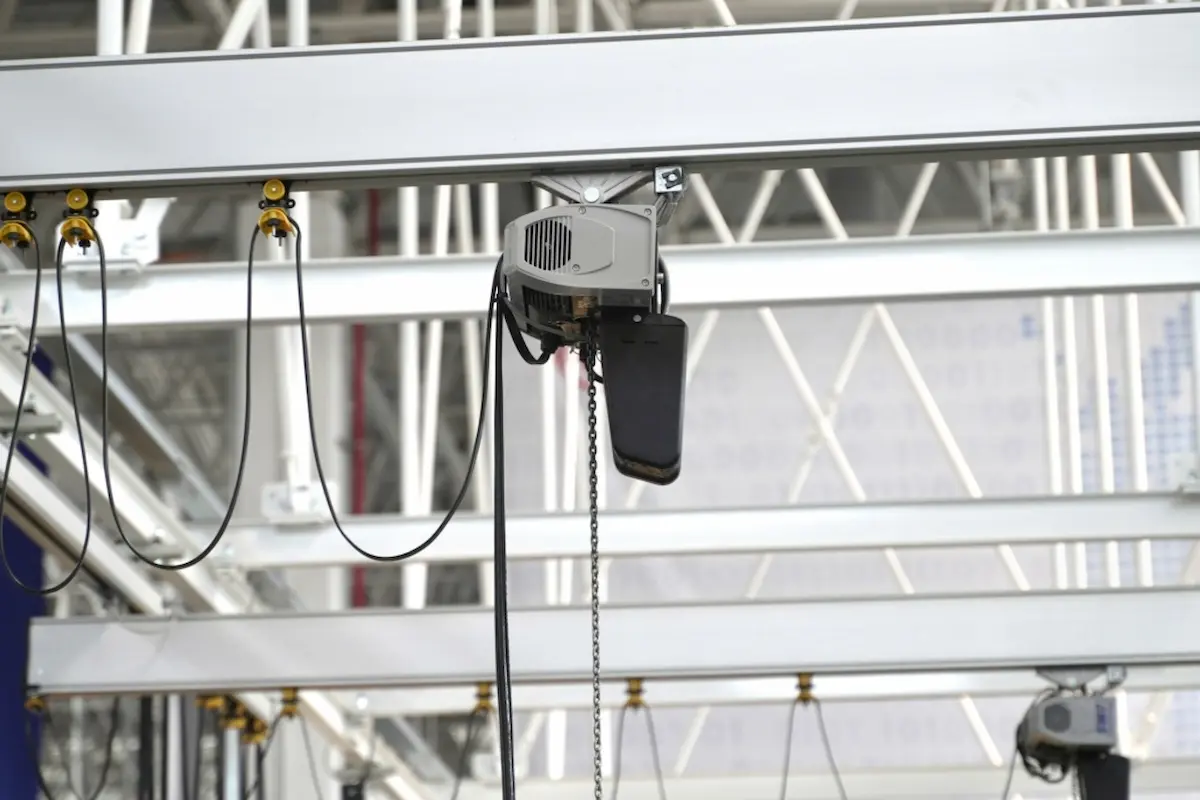
●Project scale: 15 units of 10-ton/16-ton customized anti-corrosion chain electric hoists.
●HSCRANE solution: For polar marine climates, equipment adopted C4-level anti-corrosion coatings. Coatings included epoxy zinc-rich primer and polyurethane topcoat. Motors were upgraded to IP66 protection with internal anti-condensation heaters. We added dual mechanical and electromagnetic braking systems for safety.
●Project results: Serving over 3 years in harsh Nordic coastal conditions, these electric hoists showed zero failures from moisture or rust. They passed the extreme salt fog test perfectly.
Conclusion
Purchasing industrial equipment is never just comparing sizes and lowest prices. The price tag of electric hoists hides molten steel, craftsmanship, and strict testing. It also shows reverence for site safety. When hesitating over quotes with huge price differences, recall the hidden bills mentioned here. Saving thousands on initial purchases causes daily struggles later. You will face oil leaks, burned motors, and line downtime. This is always a losing deal. You must understand your actual site conditions and choose right configurations. Buying quietly and reliably working equipment protects enterprise production efficiency best.
Do not want to lose hair over massive technical parameters?
Leave your selection puzzles to us. Just provide basic working conditions. HSCRANE’s senior technical team will customize the most cost-effective lifting plan. We will provide detailed quotes within 24 hours.
[Contact us now to start a worry-free purchasing journey]
Related Technical Articles
Buying wrong parameters ruins good equipment within two years. Unsure how to define site lifting frequency and full-load rates? We recommend reading this practical selection manual. It helps quickly lock in your most suitable Duty Class.
[Electric Hoist Duty Class Selection Guide: How to Avoid Over-Specifying or Under-Specifying Your Hoist]
FAQ
To help you decide faster, we compiled frequent customer questions:
Q: My workshop only lifts 3-4 times daily. Need high-end electric hoists?
A: No need to waste money. Standard configurations suit light use (A3/M3). We recommend cost-effective basic models based on your actual lifting frequency.
Q: How to choose single-speed, dual-speed, or VFD electric hoists?
A: It depends on precision needs. Single-speed suits general handling. Dual-speed or VFD is necessary for precise molds or fragile goods. This avoids sudden impacts.
Q: How do you handle after-sales for overseas buyers during the warranty?
A: Our equipment undergoes strict factory tests, ensuring low failure rates. We provide free vulnerable parts with overseas shipments. We offer 24/7 remote video diagnosis. Free replacement parts are air-freighted immediately via DHL/FedEx.
Q: What is the standard delivery time for HSCRANE?
A: It depends on specifications. Standard electric hoists take 7-10 working days. Customized non-standard models take 15-25 working days. Clear schedules are provided upon signing.
Q: We also make cranes. Do you support OEM purchasing?
A: Absolutely. We provide long-term OEM services for global crane brands. We customize painting, nameplates, and packaging based on your brand. Contact our business team for details.
This document is for reference only. Specific operations must strictly comply with local laws and regulations and equipment manuals.